
Pop box cards represent a remarkable evolution in greeting card design, combining traditional paper crafting with innovative three-dimensional structures. These cards create an unforgettable unboxing experience, transforming a simple greeting into an interactive display that recipients treasure long after the occasion passes. Whether you're a professional card maker, a crafting enthusiast, or someone seeking the perfect personalized gift, understanding the artistry and technique behind these cards opens new creative possibilities.
Mục Lục
- 1 What Makes Pop Box Cards Unique
- 2 Design Possibilities and Themes
- 3 Crafting Techniques and Materials
- 4 Commercial Applications and Business Opportunities
- 5 Personalization and Customization Options
- 6 Color Theory and Visual Design
- 7 Typography and Message Integration
- 8 Packaging and Presentation
- 9 Seasonal Trends and Holiday Markets
- 10 Sustainability and Eco-Friendly Options
- 11 Storage and Display Considerations
- 12 International Shipping and Global Markets
What Makes Pop Box Cards Unique
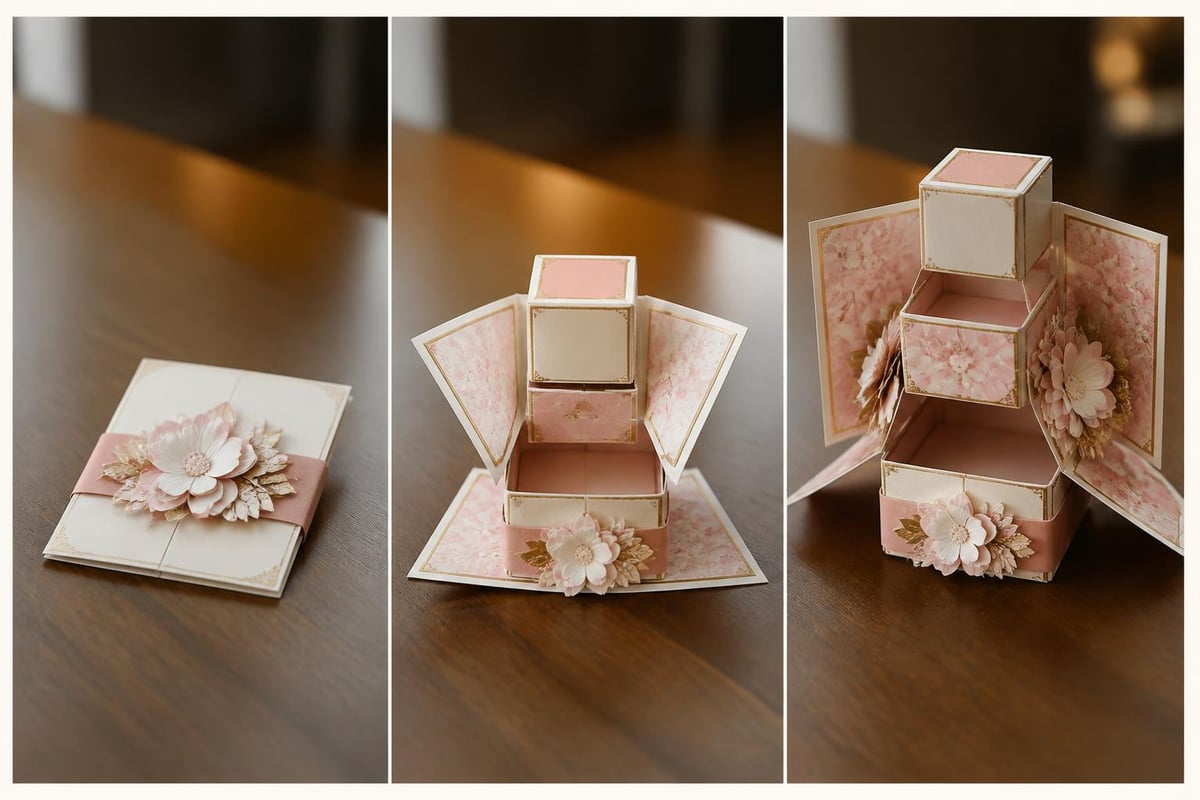
Pop box cards differ significantly from standard greeting cards through their distinctive construction and presentation. When opened, these cards reveal a layered, three-dimensional scene that literally pops up from the card base, creating a miniature display box filled with decorative elements, messages, and themed designs.
The structural foundation consists of multiple panels that fold flat for mailing but expand into a box-like formation when opened. This engineering allows for creative depth that traditional flat cards simply cannot achieve. Crafters can layer elements at different heights, creating scenes with foreground, middle ground, and background components.
Key Structural Elements
Understanding the anatomy of pop box cards helps both creators and consumers appreciate their complexity:
- Base platform: The foundation that provides stability for the entire structure
- Side panels: Four walls that create the box framework when erected
- Decorative layers: Multiple tiers of embellishments and design elements
- Closure mechanism: Ribbon, magnet, or adhesive that keeps the card compact when closed
- Surprise elements: Hidden messages, pull-tabs, or additional pop-up features
The beauty lies in the transformation. A seemingly ordinary folded card suddenly becomes a stunning three-dimensional display, creating that delightful moment of surprise that makes these cards memorable.
Design Possibilities and Themes
The versatility of pop box cards allows them to adapt to virtually any occasion or aesthetic preference. Professional manufacturers and individual crafters continuously push creative boundaries, developing new themes and design approaches.
Popular Occasion Categories
| Occasion | Design Elements | Common Themes |
|---|---|---|
| Birthdays | Cakes, balloons, candles, age numbers | Party celebration, milestone ages, hobbies |
| Weddings | Rings, flowers, churches, couples | Romance, elegance, ceremony details |
| Holidays | Seasonal symbols, trees, ornaments | Christmas, Easter, Valentine's Day |
| Celebrations | Champagne, fireworks, confetti | Graduations, promotions, achievements |
| New Baby | Cribs, toys, baby items, animals | Gender-specific or neutral designs |
The flower pop up card category demonstrates how nature-inspired designs can create stunning visual impact within the box structure, with layered petals and botanical elements adding depth and color.
Theme selection should align with the recipient's personality and the specific occasion. A sports enthusiast might appreciate stadium scenes or equipment displays, while a book lover could enjoy a miniature library setting within their card.
Crafting Techniques and Materials
Creating professional-quality pop box cards requires understanding both materials and construction methods. The choice of paper stock, adhesives, and embellishments directly impacts the final product's appearance and durability.
Essential Materials
Quality materials form the foundation of successful pop box cards:
- Cardstock weight: 65-80 lb for structural panels, 110 lb for base
- Scoring tools: Bone folders, scoring boards, or specialized machines
- Precision cutting: Craft knives, die-cutting machines, or laser cutters
- Adhesives: Double-sided tape, foam squares for dimension, liquid glue for delicate work
- Embellishments: Ribbons, die-cuts, stamps, embossing powders, glitter
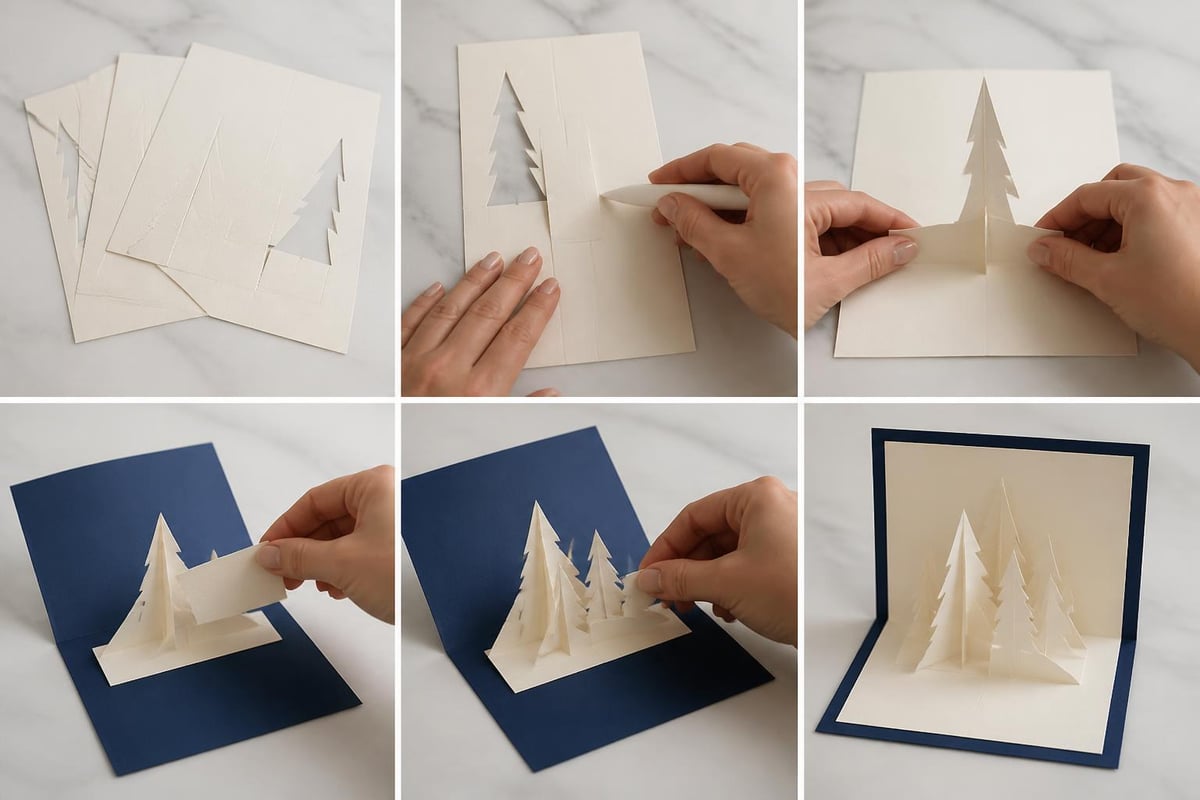
The assembly process demands precision and patience. Each panel must be scored accurately to ensure clean folds, and measurements must be exact for the card to collapse properly when closed. Following detailed assembly instructions helps beginners avoid common construction mistakes.
Step-by-Step Construction Process
- Design planning: Sketch the layout including all layers and elements
- Cutting components: Prepare all panels to exact specifications
- Scoring fold lines: Create precise creases for smooth opening
- Assembling base structure: Connect panels to form the box framework
- Adding layers: Attach decorative elements from back to front
- Installing closure: Apply ribbon or magnetic closure system
- Final embellishments: Add finishing touches and personal details
Advanced crafters can explore quick assembly methods that streamline production without sacrificing quality, particularly useful when creating multiple cards for events or business purposes.
Commercial Applications and Business Opportunities
Pop box cards present significant opportunities for businesses in the greeting card industry. The perceived value of these three-dimensional creations allows for premium pricing compared to standard flat cards, while their memorable nature encourages repeat customers.
Market Positioning Strategies
Professional card manufacturers can differentiate themselves through specialization and quality:
- Custom personalization: Names, dates, photos, specific color schemes
- Bulk order capabilities: Wedding suites, corporate events, retail partnerships
- Exclusive designs: Limited editions or signature styles
- Seasonal collections: Timely releases for major holidays and occasions
- International shipping: Lightweight construction enables cost-effective global distribution
The manufacturing advantage lies in established production systems that ensure consistency across large orders while maintaining the handcrafted appearance that customers value. Vietnam-based manufacturers, for example, can offer competitive pricing while delivering intricate designs that meet international quality standards.
Personalization and Customization Options
The true power of pop box cards emerges through personalization capabilities. Unlike mass-produced flat cards, these three-dimensional creations can incorporate specific details that make each card unique to its recipient.
Customization Levels
| Customization Type | Options Available | Production Impact |
|---|---|---|
| Basic | Color scheme selection, message text | Minimal delay |
| Moderate | Name inclusion, date specification, theme variation | 2-3 day adjustment |
| Advanced | Photo integration, custom illustrations, unique structures | 1-2 week design process |
| Premium | Fully bespoke design, special materials, complex mechanisms | 3-4 week timeline |
Personal touches transform pop box cards from beautiful objects into meaningful keepsakes. Including specific memories, inside jokes, or references to shared experiences creates emotional connections that recipients cherish. Professional photographers like One Big Happy Photo, LLC often recommend pairing milestone photo sessions with custom cards, creating a complete commemorative package for events like newborn announcements or family celebrations.
Color Theory and Visual Design
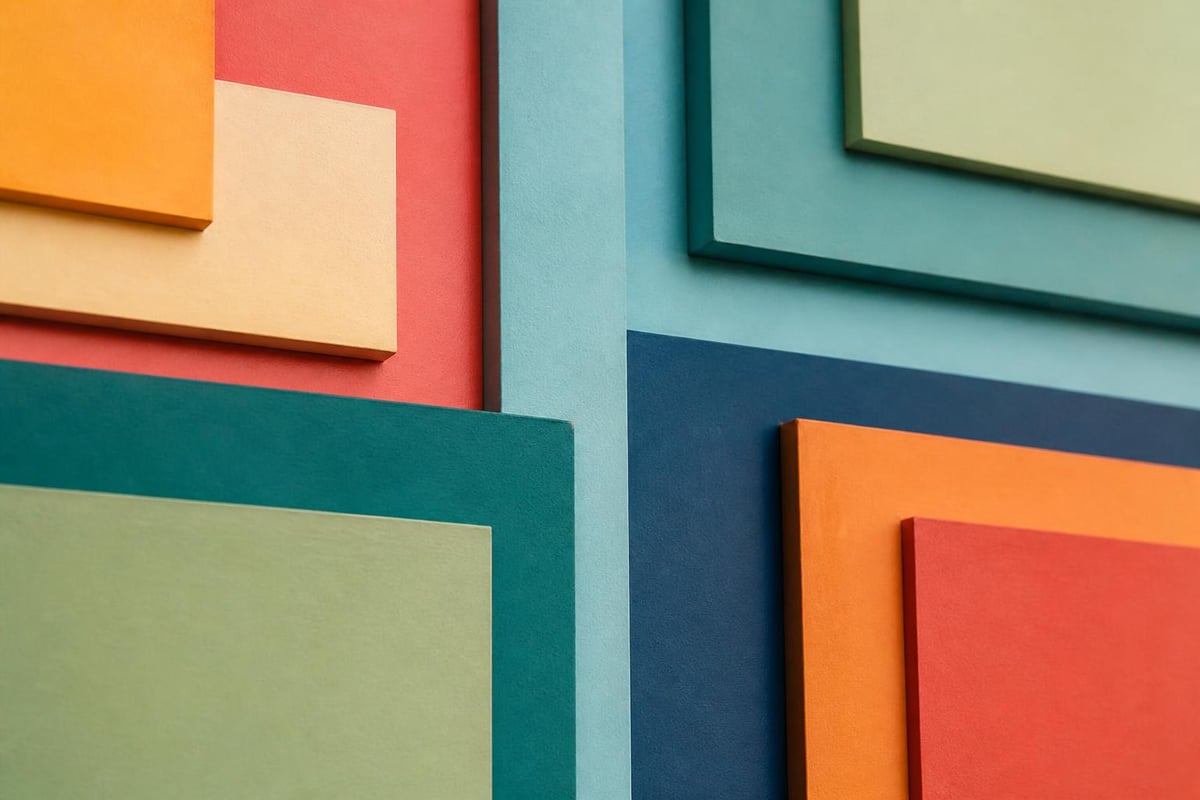
Effective pop box cards demonstrate sophisticated understanding of color relationships and visual hierarchy. The three-dimensional nature requires considering how colors interact across multiple layers and how the design guides the viewer's eye through the composition.
Color Coordination Principles
Successful designs typically follow established color harmony rules:
- Monochromatic schemes: Variations of a single hue create elegant sophistication
- Complementary pairs: Opposite colors provide dramatic visual impact
- Analogous combinations: Adjacent colors produce harmonious, flowing designs
- Triadic arrangements: Three evenly-spaced colors offer balanced vibrancy
- Neutral foundations: White, cream, or kraft bases let accent colors shine
The layered construction of pop box cards allows for color gradation, where shades progress from light to dark or shift through a spectrum as the eye moves from front to back. This creates depth perception and visual interest that flat designs cannot replicate.
Typography and Message Integration
Text placement within pop box cards requires strategic planning. Unlike flat cards where messages occupy defined areas, three-dimensional structures offer creative opportunities for text positioning across multiple surfaces and depths.
Text Placement Strategies
- Front panel: Brief greeting or recipient name
- Interior layers: Main message distributed across tiers
- Hidden elements: Surprise messages revealed when fully opened
- Vertical text: Utilizes height of side panels
- Die-cut letters: Three-dimensional typography matching the card's structure
Font selection should complement the overall design theme while maintaining readability. Formal occasions typically demand classic serif fonts, while celebrations might incorporate playful or modern typography. Size variation across layers creates visual hierarchy and ensures the most important message elements receive appropriate emphasis.
Packaging and Presentation
The unboxing experience begins before the card itself opens. Thoughtful packaging protects the intricate structure during shipping while building anticipation for the recipient.
Protective Packaging Solutions
Proper packaging serves multiple functions:
- Structural protection: Prevents crushing or bending during transit
- Aesthetic enhancement: Creates professional first impression
- Brand representation: Communicates quality and attention to detail
- Assembly instructions: Guides recipients if card arrives partially collapsed
- Storage solution: Provides display or preservation option after the event
Rigid boxes with custom inserts offer premium protection, while clear sleeves showcase the card's beauty before opening. Including care instructions helps recipients understand how to properly open, display, and store their pop box cards for long-term preservation.
Seasonal Trends and Holiday Markets
Pop box cards experience significant demand spikes around major holidays, creating opportunities for both consumers and manufacturers to plan ahead. Understanding seasonal trends helps businesses optimize inventory and individuals discover perfect cards for upcoming occasions.
Annual Seasonal Patterns
- January-February: Valentine's Day, Lunar New Year, winter birthdays
- March-May: Easter, Mother's Day, graduations, spring weddings
- June-August: Father's Day, summer weddings, vacation postcards
- September-November: Back-to-school, Halloween, Thanksgiving
- December: Christmas, Hanukkah, New Year, holiday parties
Peak production periods typically occur 6-8 weeks before major holidays, allowing manufacturers time to fulfill custom orders and retailers to stock popular designs. Early ordering ensures access to desired themes and customization options before production schedules fill.
Sustainability and Eco-Friendly Options
Modern consumers increasingly prioritize environmental responsibility in purchasing decisions. Pop box cards can align with these values through mindful material selection and production practices.
Sustainable Material Choices
| Material Type | Environmental Benefit | Design Consideration |
|---|---|---|
| Recycled cardstock | Reduces new paper production | May have slight color variation |
| FSC-certified paper | Ensures responsible forestry | Premium pricing |
| Soy-based inks | Non-toxic, biodegradable | Rich color saturation |
| Water-soluble adhesives | Easier recycling process | Requires careful application |
| Minimal plastic | Reduces non-biodegradable waste | Alternative closure methods needed |
Eco-conscious production doesn't require sacrificing quality or visual appeal. Many recycled papers offer excellent weight and finish characteristics suitable for intricate pop box card construction, while natural embellishments like dried flowers or fabric scraps add unique character.
Storage and Display Considerations
Unlike flat greeting cards that slip easily into drawers, pop box cards deserve thoughtful storage or display solutions that protect their structure while allowing appreciation of their artistry.
Long-Term Preservation Methods
Recipients often want to preserve special pop box cards as keepsakes:
- Shadow boxes: Wall-mounted frames display cards in fully opened position
- Clear acrylic cases: Dust-free protection for shelf or table display
- Archival boxes: Acid-free storage for special occasion collections
- Photograph documentation: Capture three-dimensional beauty before storage
- Partial collapse: Gentle folding reduces storage space while protecting key elements
Proper storage maintains card integrity for years, allowing families to revisit memories associated with birthdays, weddings, and other milestone events. Including storage recommendations with card delivery adds value and demonstrates professional expertise.
International Shipping and Global Markets
Pop box cards present unique shipping challenges due to their three-dimensional nature, but their lightweight construction makes international distribution viable for manufacturers serving global markets.
Shipping Optimization Strategies
- Flat-pack design: Engineer cards to collapse completely for reduced shipping costs
- Protective inserts: Custom-fit dividers prevent shifting during transit
- Weight management: Material selection impacts international shipping rates
- Customs documentation: Accurate classification prevents delivery delays
- Regional partnerships: Local distribution centers reduce shipping times and costs
Vietnam-based manufacturers benefit from strategic geographic positioning, offering competitive shipping rates to both Asian and Western markets. Established logistics partnerships ensure reliable delivery schedules that meet customer expectations for special occasions.
Pop box cards transform ordinary greetings into extraordinary experiences through thoughtful design, precise construction, and creative personalization. Whether you're celebrating a birthday, wedding, holiday, or any special moment, these three-dimensional creations deliver impact that flat cards simply cannot match. The3dCards specializes in manufacturing premium pop-up greeting cards with custom designs for every occasion, combining Vietnamese craftsmanship with innovative techniques to create cards that recipients treasure long after the celebration ends.