
A musical card represents one of the most innovative intersections between traditional greeting cards and modern technology. These unique products combine tactile, visual, and auditory elements to create multi-sensory experiences that leave lasting impressions on recipients. Since their introduction in the 1980s, musical cards have evolved from simple novelty items into sophisticated products that leverage advanced electronics while maintaining the personal touch that makes greeting cards special. Today, manufacturers continue to refine these products, incorporating better sound quality, longer battery life, and more creative designs that appeal to consumers across all demographics.
Mục Lục
- 1 The Evolution and Technology Behind Musical Cards
- 2 Design Strategies for Maximum Impact
- 3 Market Applications and Consumer Preferences
- 4 DIY Musical Card Creation
- 5 Quality Considerations and Common Challenges
- 6 Creative Combinations and Emerging Trends
- 7 Production Efficiency and Cost Management
- 8 Marketing and Distribution Strategies
- 9 Environmental and Sustainability Considerations
The Evolution and Technology Behind Musical Cards
The journey of the musical card began when manufacturers recognized an opportunity to enhance emotional connections through sound. Historical records show that musical greeting cards gained significant commercial traction during the early 1980s, revolutionizing the greeting card industry. This innovation built upon the long-established tradition of greeting cards as vehicles for personal expression, adding a memorable auditory dimension.
Core Components of Modern Musical Cards
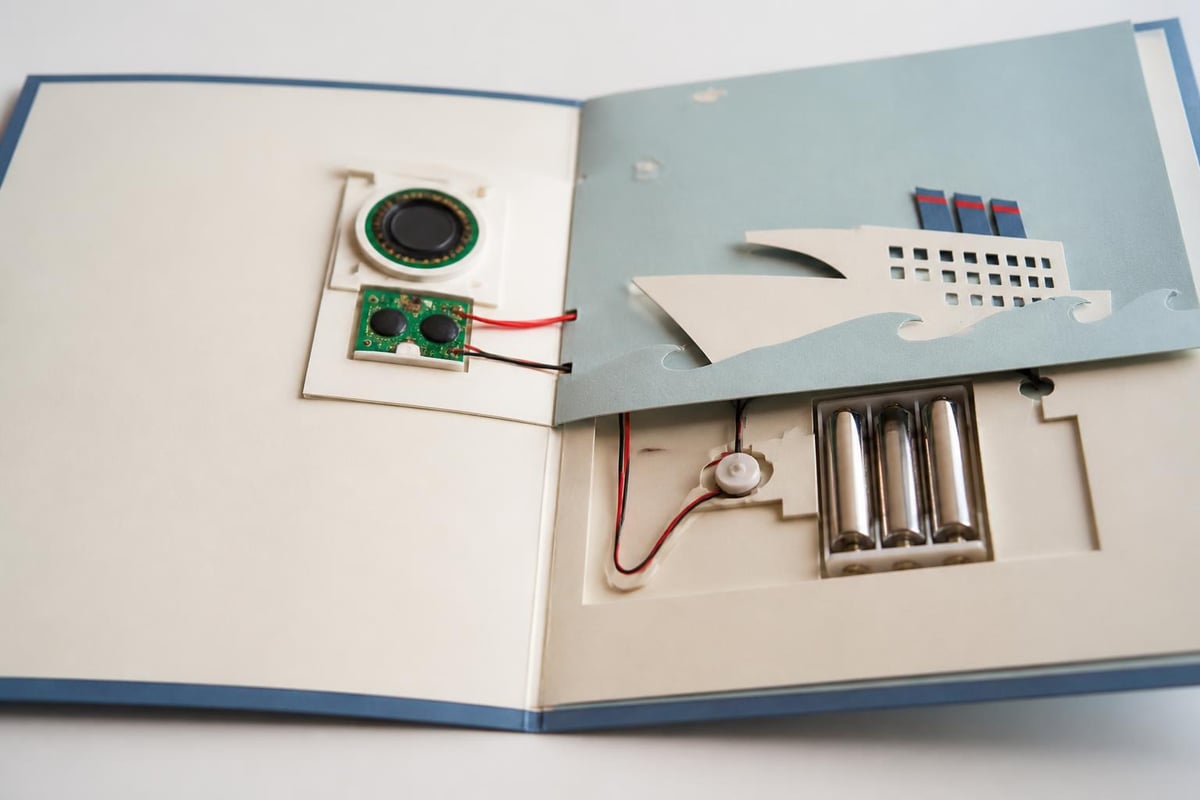
The technology inside a musical card involves several precisely engineered elements working in harmony. At the heart of every musical card lies a sound module that contains pre-recorded melodies or messages. These modules consist of integrated circuits, speakers, batteries, and activation switches that respond when the card opens.
Key technical components include:
- Micro-thin speakers that deliver clear sound while maintaining card flexibility
- Button cell batteries providing power for multiple playbacks
- Pressure-sensitive switches or pull-tab mechanisms for activation
- Pre-programmed chips storing audio files in compressed formats
- Circuit boards designed to fit within standard card dimensions
The specifications and features of musical greeting card components have advanced significantly, allowing for higher fidelity sound reproduction and extended playback times. Modern sound modules can store up to 60 seconds of audio, enabling complete song snippets or personalized voice recordings.
Manufacturing Considerations
Producing a musical card requires careful attention to both aesthetic and functional elements. The manufacturing process begins with selecting appropriate cardstock that can accommodate electronic components while maintaining structural integrity. Manufacturers must balance paper weight, fold resistance, and visual appeal with the practical requirements of housing circuitry.
The assembly process typically involves several stages:
- Design and prototyping – Creating templates that integrate pop-up mechanisms with sound module placement
- Component sourcing – Selecting reliable audio chips, speakers, and batteries
- Circuit installation – Precisely positioning electronic elements within card layers
- Quality testing – Verifying sound quality, activation reliability, and battery performance
- Final assembly – Combining decorative elements with functional components
Technical specifications for musical modules guide manufacturers in creating products that meet consumer expectations for both performance and longevity. The challenge lies in creating seamless integration where technology enhances rather than overshadows the artistic design.
Design Strategies for Maximum Impact
Creating an effective musical card demands thoughtful consideration of how sound complements visual storytelling. The audio selection should align with the card's theme, occasion, and emotional intent. Birthday cards might feature celebratory melodies, while sympathy cards require more subdued musical choices.
Pairing Sound with Pop-Up Elements
The combination of three-dimensional pop-up features with musical elements creates truly immersive experiences. When recipients open a card to reveal an elaborate paper sculpture accompanied by fitting music, the emotional impact multiplies exponentially. This synergy between visual and auditory stimuli triggers stronger memory formation and emotional resonance.
Successful integration requires careful timing. The sound should activate at the precise moment when the pop-up mechanism reaches full extension, creating a synchronized reveal that maximizes surprise and delight. This coordination demands precise engineering of both mechanical and electronic systems.
| Design Element | Function | Impact |
|---|---|---|
| Activation Point | Triggers sound when card opens 90-180 degrees | Ensures proper timing with visual reveal |
| Volume Level | Controls sound output to appropriate levels | Prevents overwhelming or underwhelming experience |
| Audio Duration | Determines length of playback cycle | Balances engagement with battery conservation |
| Speaker Placement | Positions sound source for optimal clarity | Maximizes audio quality while hiding components |
Customization and Personalization Options
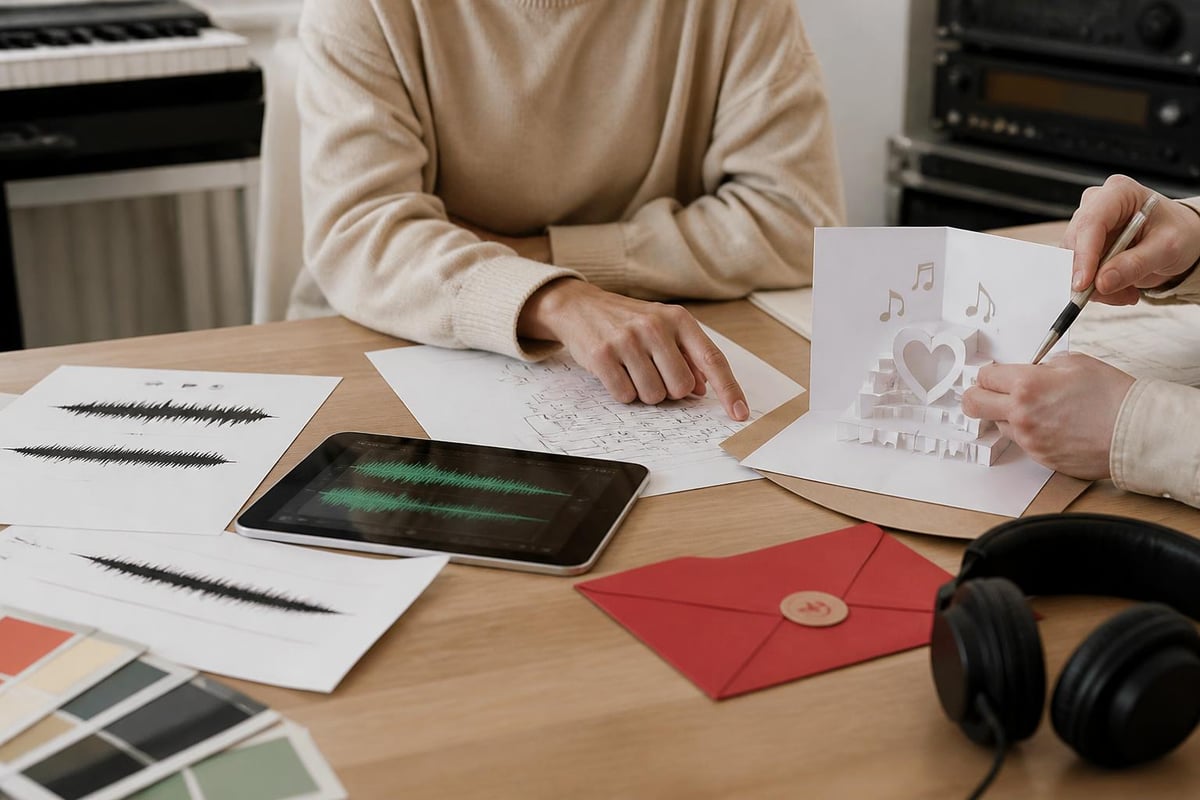
The musical card category has expanded beyond pre-programmed melodies to include personalized audio messages. This evolution allows senders to record custom greetings, making cards even more meaningful and unique. Businesses offering customization services enable customers to create truly one-of-a-kind products that reflect personal relationships and specific occasions.
Personalization extends beyond audio content. Manufacturers now offer options for:
- Custom melody selection from extensive music libraries
- Voice recording capabilities for personal messages
- Combined audio tracks mixing music with spoken words
- Themed sound effects matching specific card designs
- Multiple playback options allowing sequential or random audio
Market Applications and Consumer Preferences
The musical card occupies a unique position in the greeting card market, commanding premium prices while maintaining strong consumer appeal. Market research indicates that consumers willingly pay 50-200% more for musical cards compared to traditional options, viewing them as worth the investment for special occasions.
Occasion-Specific Demand Patterns
Different celebrations drive distinct demand patterns for musical cards. Birthday celebrations account for the largest market share, followed by holiday seasons, anniversaries, and special milestones. Understanding these patterns helps manufacturers and retailers optimize inventory and design offerings.
Top occasions for musical card purchases:
- Birthday celebrations (35% of market)
- Christmas and winter holidays (25% of market)
- Valentine's Day and anniversaries (15% of market)
- Weddings and engagements (10% of market)
- Graduation and achievement recognition (8% of market)
- Sympathy and encouragement (7% of market)
The seasonal nature of some occasions creates production and distribution challenges. Manufacturers must forecast demand accurately and build inventory strategically to meet peak season requirements without excessive overstock during slower periods.
Brand Marketing Applications
Beyond personal use, musical cards have proven effective in brand marketing campaigns. Companies leverage these products to create memorable touchpoints with customers, employees, and stakeholders. The novelty and emotional appeal of musical cards make them powerful tools for building brand affinity and customer loyalty.
Businesses use musical cards for:
- Customer appreciation campaigns
- Employee recognition programs
- Product launch announcements
- Event invitations and reminders
- Seasonal marketing initiatives
The effectiveness stems from the cards' ability to stand out in increasingly digital communication landscapes. Recipients are more likely to keep and display musical cards, extending brand exposure beyond the initial interaction.
DIY Musical Card Creation
The growing maker movement has inspired many crafters to create their own musical greeting cards. This hands-on approach allows for complete creative control and often results in highly personalized products that reflect the maker's artistic vision and technical skills.
Essential Materials and Tools
Creating a DIY musical card requires both traditional craft supplies and electronic components. The basic materials list includes cardstock or specialty papers, adhesives, decorative elements, and the electronic sound module. While pre-made modules simplify the process, experienced makers sometimes create custom circuits for unique audio effects.
Required supplies include:
- Quality cardstock (80-120 lb weight)
- Musical greeting card sound module
- Button cell battery (typically CR2032)
- Craft knife and cutting mat
- Scoring tool for clean folds
- Double-sided adhesive tape
- Decorative papers and embellishments
The assembly process demands patience and precision. Crafters must carefully plan component placement to ensure the sound module activates reliably while remaining concealed within the card's design. Design considerations for musical greeting cards emphasize user experience elements like activation ease and audio clarity.
Step-by-Step Assembly Process
Building a functional musical card involves methodical construction that accounts for both structural stability and electronic functionality. The process begins with creating a strong card base that can support additional layers and components without sagging or warping.
- Design the card layout – Sketch the overall structure including fold lines and component placement
- Cut and score the base – Use precise measurements to create clean, professional folds
- Install the sound module – Position electronics where they activate properly and remain hidden
- Test activation mechanism – Verify the switch triggers at the correct opening angle
- Add decorative layers – Build up visual elements while maintaining access to battery compartment
- Final quality check – Test multiple open-close cycles to ensure reliability
This hands-on approach provides insights into the engineering challenges manufacturers face when producing musical cards at scale. Even small variations in paper thickness or adhesive placement can affect activation consistency.
Quality Considerations and Common Challenges
Manufacturers and consumers alike must understand the factors affecting musical card performance and longevity. Sound quality represents the most critical element, as poor audio reproduction diminishes the intended emotional impact. Music greeting card sound modules vary significantly in quality, with premium options delivering clearer sound and more reliable performance.
Battery Life and Replacement
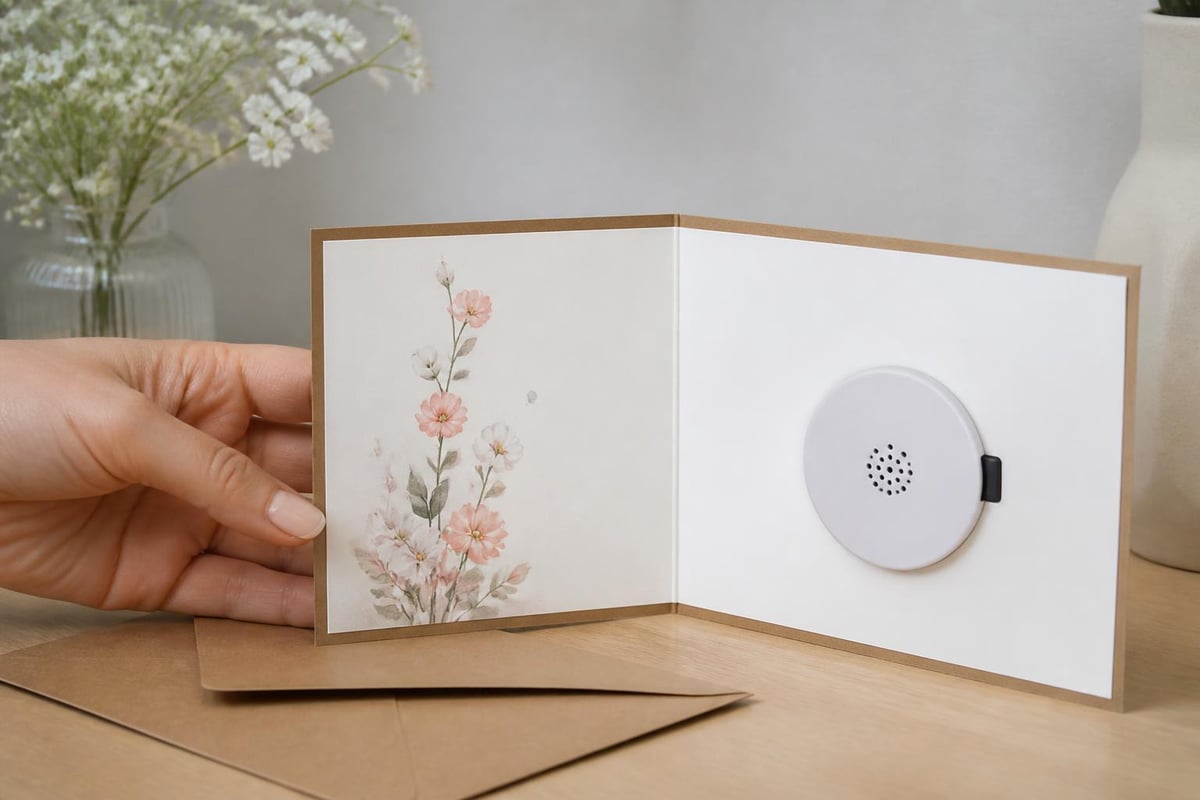
Battery performance directly impacts user satisfaction. Most musical cards use button cell batteries designed for multiple playbacks, but actual longevity depends on speaker efficiency, audio file compression, and storage conditions. High-quality modules optimize power consumption to extend battery life without compromising sound quality.
Common battery-related issues include:
- Premature depletion from high-drain speakers or inefficient circuits
- Storage drain when cards sit in inventory for extended periods
- Replacement difficulty when designs don't accommodate battery access
- Environmental concerns regarding proper battery disposal
Manufacturers address these challenges through improved circuit design, battery isolation features during storage, and accessible battery compartments that allow easy replacement without damaging the card.
Durability and Storage
The physical durability of a musical card affects both shelf life and customer satisfaction. Cards must withstand shipping, retail handling, and eventual opening by recipients without component failure. Protecting delicate electronics while maintaining card flexibility requires careful material selection and construction techniques.
Storage conditions significantly impact performance. Extreme temperatures, humidity, and prolonged compression can damage both paper elements and electronic components. Retailers and consumers benefit from understanding proper storage practices that preserve card integrity.
| Quality Factor | Standard Level | Premium Level |
|---|---|---|
| Sound Clarity | Basic melody recognition | High-fidelity reproduction |
| Playback Duration | 10-15 seconds | 30-60 seconds |
| Battery Life | 10-20 plays | 50+ plays |
| Speaker Quality | Piezo buzzer | Micro speaker |
| Activation Reliability | 85-90% consistent | 98%+ consistent |
Creative Combinations and Emerging Trends
Innovation continues driving the musical card market forward. Contemporary designs increasingly combine multiple sensory elements, creating cards that engage recipients through sound, touch, and even scent. These multi-modal experiences represent the evolution of traditional greeting cards into experiential products.
Pairing with Complementary Products
Thoughtful presenters often combine musical cards with complementary gifts to create cohesive experiences. For celebrations like birthdays or anniversaries, pairing a musical card with treats from businesses like Rachael’s Kitchen, which offers themed cupcakes for various occasions, creates a memorable multi-sensory gift package that delights recipients through taste, sight, and sound.
For animal lovers, manufacturers now create cards featuring realistic animal sounds rather than traditional melodies. These specialty products appeal to niche markets and demonstrate the versatility of musical card technology. Animal-themed pop-up cards can incorporate corresponding animal sounds, creating engaging products that educate while entertaining.
Technological Advancements
Recent technological developments promise to further enhance musical card capabilities. Bluetooth connectivity, NFC chips, and smartphone integration represent potential future directions. These innovations could enable cards that play personalized playlists, link to video messages, or unlock digital content.
Emerging technologies in development:
- Voice-activated playback systems
- Rechargeable battery options
- Multi-track audio capabilities
- Interactive sound effects responding to card manipulation
- Integration with augmented reality applications
While maintaining affordability remains crucial, these advanced features could justify premium pricing for special occasions. The challenge lies in preserving the simplicity and accessibility that make musical cards appealing across all age groups and technical comfort levels.
Production Efficiency and Cost Management
Manufacturing musical cards at competitive price points requires optimizing every aspect of production. Component costs, particularly for sound modules and batteries, represent significant portions of overall expenses. Manufacturers must balance quality expectations with market price constraints.
Sourcing and Supply Chain Optimization
Strategic component sourcing dramatically affects profitability. Many manufacturers establish relationships with specialized electronics suppliers who understand greeting card industry requirements. These partnerships enable access to components optimized for card applications rather than repurposing generic audio modules.
Bulk purchasing reduces per-unit costs but requires accurate demand forecasting. Seasonal products like holiday musical cards demand particularly careful inventory planning to avoid both stockouts during peak season and excess inventory afterward.
Automation Versus Hand Assembly
The musical card production process combines automated and manual operations. While printing and cutting benefit from automation, component installation often requires human precision to ensure proper placement and activation. Finding the optimal balance between automation efficiency and quality control remains an ongoing challenge.
Small to medium manufacturers often maintain competitive advantages through flexible production capabilities that accommodate custom orders and rapid design changes. Larger operations leverage economies of scale but may sacrifice customization flexibility.
Marketing and Distribution Strategies
Successfully bringing musical cards to market requires understanding consumer behavior and retail dynamics. Despite digital communication growth, consumers continue valuing tangible greeting cards for meaningful occasions. Musical cards occupy premium shelf space in retail environments, commanding attention through in-store displays that demonstrate audio features.
Retail Presentation Best Practices
Effective retail displays allow customers to experience musical cards before purchase. Many retailers provide test units secured to display fixtures, enabling shoppers to hear audio quality and understand activation mechanisms. These interactive displays significantly boost conversion rates compared to static presentations.
Key retail display elements:
- Audio demonstration capabilities
- Clear pricing and feature communication
- Organized categorization by occasion
- Adequate stock depth for popular designs
- Cross-merchandising with complementary products
Online retailers face unique challenges showcasing musical cards. Product descriptions must communicate sound quality, duration, and volume through words alone. Many successful e-commerce operations incorporate video demonstrations showing cards in action, helping customers make informed purchasing decisions.
Direct-to-Consumer Opportunities
The rise of e-commerce enables manufacturers to reach consumers directly, capturing retail margins while building brand relationships. Companies offering customization services particularly benefit from direct sales models, as personalization naturally suits online ordering processes where customers can upload audio files and preview designs before purchase.
Direct access to manufacturers allows consumers to explore broader product ranges and customization options than typical retail environments offer. This channel also enables manufacturers to gather customer feedback directly, informing future product development.
Environmental and Sustainability Considerations
As environmental awareness grows, musical card manufacturers face increasing pressure to address sustainability concerns. The combination of paper products and electronic components creates disposal challenges that traditional greeting cards avoid. Responsible manufacturers increasingly explore solutions balancing functionality with environmental impact.
Sustainable Material Choices
Selecting environmentally responsible materials begins with paper sourcing. Recycled cardstock, sustainably harvested paper, and alternative materials like cotton or bamboo fiber offer greener options. However, these materials must still accommodate electronic components and maintain structural integrity through manufacturing, shipping, and use.
Electronic component sustainability presents greater challenges. While batteries remain necessary for portable sound functionality, manufacturers can specify recyclable options and provide clear disposal instructions. Some forward-thinking companies explore rechargeable alternatives, though this adds complexity and cost.
End-of-Life Considerations
Educating consumers about proper disposal represents an important but often overlooked aspect of musical card sustainability. Cards contain batteries requiring specialized recycling, and mixing them with standard paper recycling streams creates contamination. Clear instructions and simple component separation designs help environmentally conscious consumers dispose responsibly.
Some manufacturers have begun exploring take-back programs where customers return used cards for proper component separation and recycling. While logistically challenging, these programs demonstrate environmental commitment and build brand loyalty among sustainability-focused consumers.
Musical cards continue captivating recipients through their unique blend of visual artistry, tactile engagement, and memorable sound. As technology advances and consumer preferences evolve, these products adapt while maintaining the emotional connections that make greeting cards meaningful. Whether you're seeking ready-made designs or custom creations for special occasions, The3dCards offers expertise in combining pop-up artistry with innovative features that transform simple greetings into lasting memories.