
The intersection of traditional origami and modern paper engineering has created one of the most captivating forms of artistic expression: the origami pop up card. This fusion combines centuries-old Japanese folding techniques with strategic cutting and three-dimensional design, resulting in greeting cards that transform from flat surfaces into architectural marvels when opened. As businesses and individuals seek more meaningful ways to connect in 2026, these intricate paper creations have evolved from simple novelties into sophisticated art forms that capture attention and create lasting impressions.
Mục Lục
- 1 Understanding the Fundamentals of Origami Pop Up Cards
- 2 Technical Construction Methods
- 3 Advanced Design Applications
- 4 Materials and Tools for Professional Results
- 5 Creative Applications for Business and Events
- 6 Design Innovation and Trend Evolution
- 7 Technical Challenges and Solutions
- 8 Production Considerations for Commercial Applications
- 9 Educational and Therapeutic Applications
- 10 Digital Resources and Community Engagement
Understanding the Fundamentals of Origami Pop Up Cards
An origami pop up card represents a unique category within paper crafts, distinguished by its ability to create dimensional structures through folding and strategic cutting. Unlike traditional origami, which relies solely on folding techniques, or standard pop-up cards that use glued layers, the origami pop up card employs a hybrid approach that maximizes both structural integrity and visual impact.
The foundation of these designs lies in understanding paper mechanics and geometric principles. Each fold creates stress points that must work in harmony with the card’s base, while cuts strategically placed along fold lines allow portions of the paper to move independently. The history of origami provides essential context for understanding how these traditional techniques evolved into modern paper engineering applications.
Core Design Principles
Creating an effective origami pop up card requires mastery of several fundamental principles:
- Valley and mountain folds: These complementary fold types create the basic structure
- Parallel fold alignment: Ensures smooth opening and closing mechanics
- Strategic scoring: Pre-creasing allows for crisp, predictable movements
- Paper grain direction: Affects folding ease and structural stability
- Weight distribution: Balances decorative elements with functional mechanics
The paper selection process significantly impacts the final product. Card stock between 65-110 lb provides optimal rigidity without sacrificing foldability. Premium art paper enhances both visual appeal and structural longevity, particularly important for keepsake cards intended to last beyond a single occasion.
Technical Construction Methods
Single-Slice Pop Up Technique
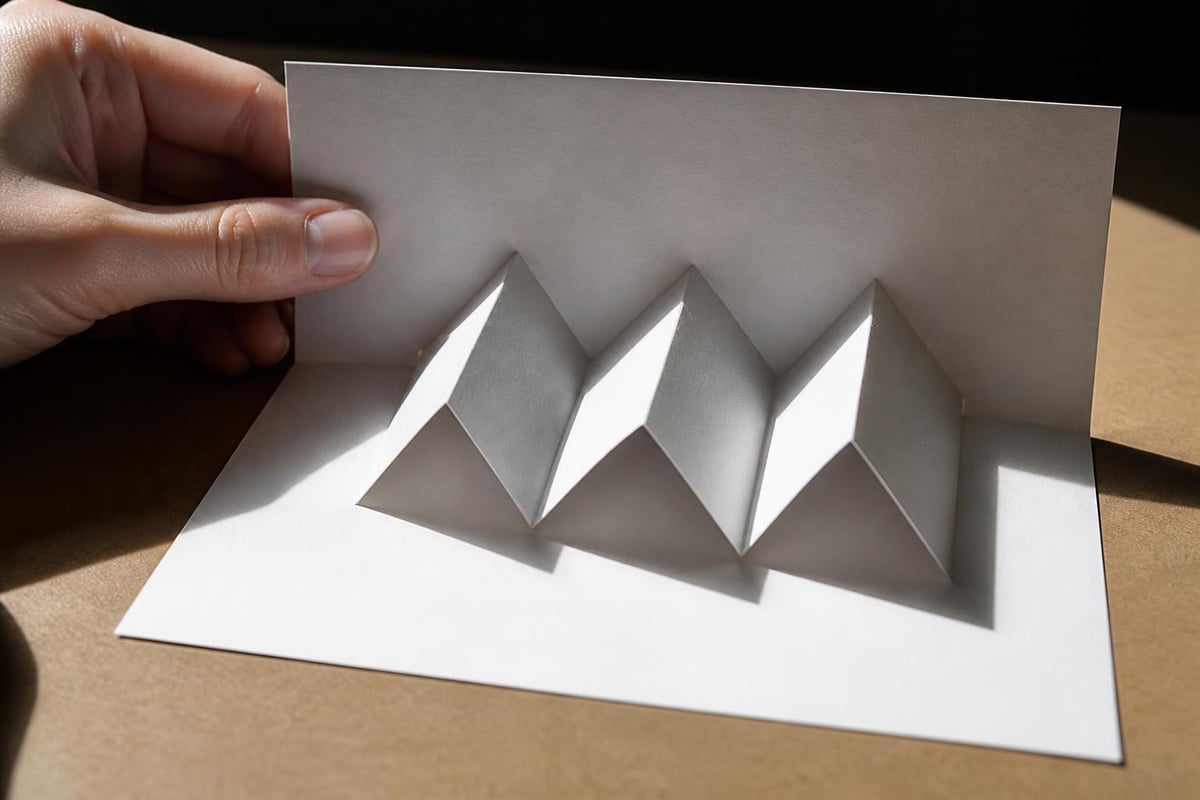
The single-slice method represents the most accessible entry point for origami pop up card creation. This technique involves making parallel cuts from a central fold line, creating tabs that pop forward when the card opens. The mathematical principles underlying pop-up card designs reveal how precise angle calculations determine the final shape and movement range.
Construction follows these essential steps:
- Score the center fold line with precision
- Measure and mark parallel cut lines at equal intervals
- Execute clean cuts perpendicular to the fold
- Pre-fold each tab alternating between valley and mountain orientations
- Test the mechanism before adding decorative elements
| Element | Measurement | Purpose |
|---|---|---|
| Base card | 8.5″ x 11″ folded | Standard greeting card size |
| Cut depth | 1-3 inches | Determines pop-up height |
| Tab width | 0.5-1 inch | Affects structural stability |
| Angle range | 30-90 degrees | Controls opening mechanics |
Kirigami Integration
Kirigami, the art of paper cutting combined with folding, expands creative possibilities exponentially. Step-by-step kirigami card tutorials demonstrate how intricate cutting patterns transform simple paper into elaborate three-dimensional scenes. This approach allows for more complex imagery, from architectural landmarks to organic forms like flowers and animals.
The integration of kirigami techniques with traditional origami principles creates cards with multiple layers of depth. By varying cut complexity and fold angles within a single design, artists achieve remarkable visual effects that engage viewers from multiple perspectives.
Advanced Design Applications
Architectural Elements
Architectural pop-up designs represent some of the most impressive applications of origami pop up card techniques. Buildings, bridges, and monuments require precise geometric calculations to ensure proportional accuracy when the card opens to specific angles. Each structural element must collapse predictably while maintaining visual integrity.
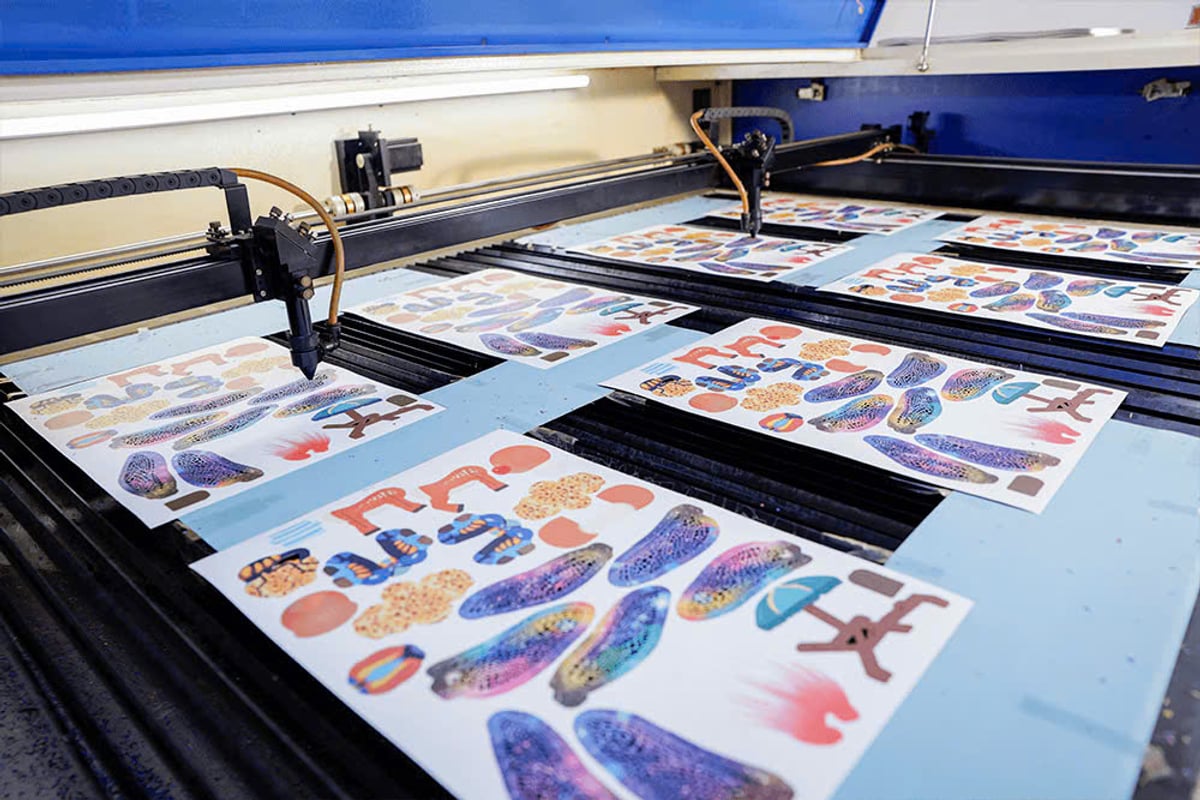
Professional manufacturers employ laser cutting technology to achieve the precision necessary for complex architectural designs. This technology ensures consistency across large production runs while maintaining the intricate detail that hand-cutting cannot replicate at scale. Pop-up card manufacturing facilities utilize high-precision equipment to create thousands of identical cards that perform flawlessly.
Organic and Natural Forms
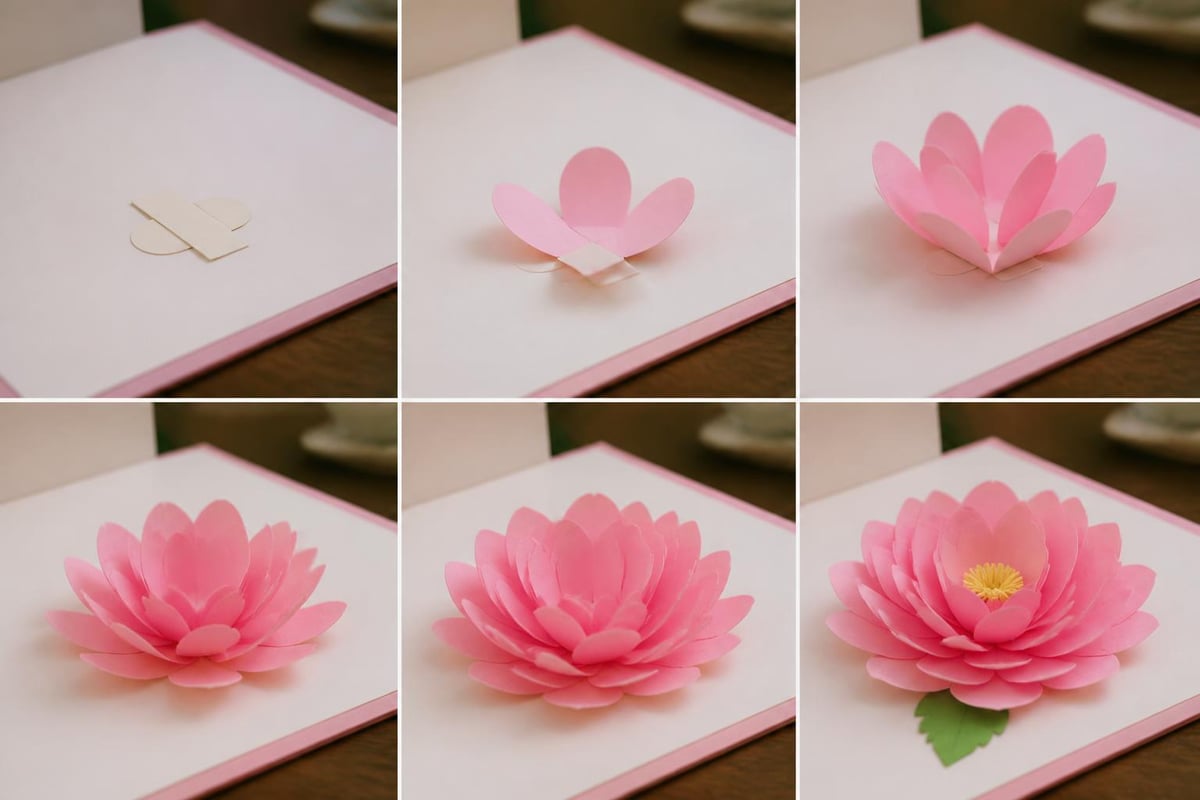
Creating organic shapes like flowers, animals, and landscapes presents unique challenges in origami pop up card design. Unlike geometric structures with straight edges and predictable angles, natural forms require curved cuts and variable fold depths. The pop-up box card technique offers one approach to creating dimensional floral arrangements within card formats.
Successful organic designs often incorporate:
- Layered petals with graduated sizes
- Curved spine structures for animal figures
- Asymmetrical elements that suggest natural growth
- Texture created through paper grain and embossing
- Color gradients that enhance dimensional perception
Materials and Tools for Professional Results
Paper Selection Strategies
The choice of paper fundamentally affects both construction process and final appearance. Premium cardstock provides the foundation, but decorative papers add visual interest and thematic relevance. Consider these material options:
Base Card Materials:
- Heavyweight cardstock (80-110 lb) for structural integrity
- Textured papers for tactile engagement
- Metallic or pearlescent finishes for special occasions
- Eco-friendly recycled options for environmentally conscious designs
Decorative Layers:
- Patterned scrapbook papers for themed elements
- Vellum for translucent effects
- Handmade papers for artisanal appeal
- Foil-stamped papers for premium presentations
Essential Tool Kit
Professional-quality origami pop up cards require specific tools that ensure precision and consistency. A bone folder creates crisp creases without damaging paper fibers, while a precision knife allows for intricate cuts that scissors cannot achieve. Self-healing cutting mats protect work surfaces and provide measurement grids for accurate alignment.
| Tool | Purpose | Professional Grade |
|---|---|---|
| Bone folder | Crisp fold creation | Teflon-coated |
| Precision knife | Detailed cutting | Swivel blade recommended |
| Metal ruler | Straight edge cutting | Cork-backed for stability |
| Scoring tool | Pre-creasing lines | Adjustable width |
| Cutting mat | Surface protection | Self-healing, gridded |
Creative Applications for Business and Events
Corporate Communication Enhancement
Businesses increasingly recognize the value of tangible, memorable communication in an overwhelmingly digital world. An origami pop up card creates immediate visual impact that email campaigns cannot replicate. Product launches benefit from cards featuring miniature three-dimensional representations of new offerings, while corporate invitations gain prestige through custom designs that reflect brand identity.
The comic book explosion pop-up card concept demonstrates how dramatic reveals can emphasize key messaging. This same principle applies to business communications where the physical act of opening the card builds anticipation and engagement.
Custom pop-up cards serve multiple business functions, from client appreciation to event invitations. For companies seeking to differentiate their outreach, partnering with specialized manufacturers ensures consistent quality and professional presentation. When producing cards at scale for business applications, working with an experienced pop-up card manufacturing factory guarantees precision engineering and reliable delivery timelines for wholesale orders across international markets.
Event-Specific Designs
Different occasions demand tailored approaches to origami pop up card design. Wedding invitations incorporate romantic elements like intertwined hearts or chapel silhouettes, while birthday cards might feature tiered cakes or age-specific imagery. Holiday cards present opportunities for seasonal themes, from Christmas trees to New Year celebrations.
For entrepreneurs managing online businesses, platforms like Talk Shop provide valuable insights into product presentation and customer engagement strategies that complement physical marketing materials like pop-up cards. The ecommerce community there offers perspectives on how tangible products create memorable brand experiences in competitive digital marketplaces.
Design Innovation and Trend Evolution
Contemporary Aesthetic Movements
The origami pop up card continues evolving as designers experiment with new materials and techniques. Minimalist designs emphasizing clean lines and negative space appeal to modern sensibilities, while maximalist approaches layer intricate details for visual richness. Sustainable design practices have introduced plant-based papers and water-soluble adhesives, addressing environmental concerns without compromising structural quality.
Recent innovations include:
- LED integration for illuminated elements
- Augmented reality triggers linking physical cards to digital content
- Magnetic closures replacing traditional adhesive seals
- Seed-embedded papers that recipients can plant
- NFC chip integration for interactive experiences
Cross-Cultural Design Elements
Global design influences enrich contemporary origami pop up cards. Asian aesthetics contribute delicate cherry blossom motifs and pagoda structures, while Western traditions incorporate holiday-specific imagery like snowflakes and evergreen trees. Middle Eastern geometric patterns translate beautifully into symmetrical pop-up mechanisms, and African textile patterns inspire bold color combinations and rhythmic design elements.
The tutorial on creating DIY pop-up cards demonstrates how accessible materials and techniques allow for cultural adaptation and personalization. This accessibility encourages cross-cultural exchange and design innovation as creators worldwide share techniques and inspiration.
Technical Challenges and Solutions
Mechanical Stability Issues
Even well-designed origami pop up cards face potential mechanical failures. Tabs may tear along fold lines under repeated use, or dimensional elements may collapse if weight distribution isn’t properly calculated. Addressing these challenges requires understanding stress points and reinforcement strategies.
Common Problems and Fixes:
- Torn fold lines: Reinforce with clear tape on reverse side before assembly
- Collapsed structures: Add support struts from hidden angles
- Misaligned elements: Use registration marks during construction
- Spring-back prevention: Score against paper grain direction
- Adhesive failure: Select pH-neutral glues appropriate for paper weight
Scaling Complexity Appropriately
Designers must balance artistic ambition with practical feasibility. Overly complex designs frustrate recipients who struggle to close cards properly, while overly simple designs fail to impress. The research on origami structural multistability offers insights into creating stable mechanisms that function reliably through multiple open-close cycles.
Testing prototypes extensively before committing to full production prevents costly mistakes. Each design should undergo at least twenty complete opening cycles to identify potential failure points and ensure consistent performance.
Production Considerations for Commercial Applications
Hand Assembly Versus Automated Manufacturing
Small-batch artisanal production allows for customization and unique embellishments, while automated manufacturing ensures consistency across large orders. Laser cutting technology revolutionized commercial origami pop up card production by enabling intricate designs that would require hours of hand-cutting. However, skilled artisans remain essential for final assembly, quality control, and adding hand-finished details that distinguish premium products.
The production method selection depends on several factors:
| Factor | Hand Assembly | Automated Production |
|---|---|---|
| Order size | Under 100 units | 100+ units |
| Customization level | High variability | Standardized designs |
| Timeline | 1-2 weeks | Same-day to 3 days |
| Cost per unit | $5-20 | $0.50-5 |
| Quality consistency | Variable | Highly consistent |
Quality Control Standards
Professional manufacturers implement rigorous quality control processes ensuring every card meets specifications. Inspection points include fold crispness, cut precision, adhesive application, color matching, and functional testing. Rejected cards are analyzed to identify process improvements, maintaining high standards across production runs.
For businesses ordering wholesale quantities, establishing clear quality benchmarks in advance prevents misunderstandings and ensures deliverable products meet brand standards. Sample approval processes allow clients to verify specifications before full production begins.
Educational and Therapeutic Applications
Classroom Integration
Origami pop up card creation offers valuable educational opportunities across multiple disciplines. Mathematics teachers use these projects to illustrate geometric concepts and spatial reasoning, while art instructors explore design principles and creative expression. The hands-on nature of construction engages kinesthetic learners who benefit from tactile experiences.
Educational applications extend beyond K-12 settings. The design of miniature modular origami robots demonstrates advanced engineering principles that university students can explore through complex pop-up mechanisms. These projects bridge theoretical knowledge and practical application, making abstract concepts tangible.
Therapeutic Benefits
Art therapists incorporate origami pop up card making into treatment programs for various conditions. The focused concentration required for precise folding and cutting provides meditative benefits, while the satisfaction of completing dimensional projects boosts self-efficacy. Group sessions foster social connections as participants share techniques and admire each other’s work.
Senior populations particularly benefit from these activities, as they maintain fine motor skills and cognitive function while creating meaningful gifts for family members. The video tutorial for creating an origami bat pop-up card exemplifies accessible projects suitable for varied skill levels and therapeutic contexts.
Digital Resources and Community Engagement
Online Learning Platforms
The internet has democratized access to origami pop up card techniques previously limited to specialized workshops. Video tutorials provide visual guidance that static diagrams cannot match, while online forums connect enthusiasts worldwide for troubleshooting and inspiration sharing. Social media platforms showcase innovative designs, driving trend evolution and technique refinement.
Digital pattern libraries allow designers to download templates, eliminating the need to create designs from scratch. These resources accelerate the learning curve for beginners while providing experienced creators with fresh inspiration and time-saving starting points.
Community Contribution
Active online communities dedicated to paper crafts foster skill development and creative exchange. Members share techniques, critique works-in-progress, and organize virtual challenges that push creative boundaries. These communities often develop specialized terminology and shorthand that facilitate precise communication about complex folding sequences and cutting patterns.
Contributing to these communities through tutorial creation or technique documentation benefits both individual creators and the broader community. As makers share knowledge freely, collective expertise grows, advancing the entire field of paper engineering and origami pop up card design.
Mastering the origami pop up card combines technical precision with artistic vision, creating meaningful connections through dimensional paper art. Whether crafting individual pieces or planning large-scale productions, understanding fundamental principles and advanced techniques ensures impressive results. For businesses and individuals seeking professionally manufactured pop-up cards with exceptional quality and custom design capabilities, The3dCards delivers precision-engineered solutions backed by skilled Vietnamese artisans and modern laser-cutting technology, transforming your vision into tangible three-dimensional experiences that recipients will treasure.