
The greeting card industry continues to thrive in 2026, demonstrating remarkable resilience despite the digital age. Working with a reliable greeting cards manufacturer has become essential for businesses seeking to create memorable customer experiences, build brand loyalty, and stand out in competitive markets. Whether you're a retailer, corporate entity, or entrepreneur, understanding the manufacturing landscape helps you make informed decisions about product quality, customization options, and partnership potential.
Mục Lục
- 1 Understanding the Modern Greeting Cards Manufacturer Landscape
- 2 Manufacturing Processes and Technologies
- 3 Quality Standards and Materials Selection
- 4 Customization and Design Services
- 5 Market Trends Shaping Manufacturing in 2026
- 6 Selecting the Right Manufacturing Partner
- 7 Geographic Considerations and Supply Chain Management
- 8 Business Applications Beyond Retail
- 9 Industry Statistics and Market Outlook
- 10 Technical Specifications and File Preparation
- 11 Testing and Prototyping Best Practices
- 12 Pricing Structure and Cost Considerations
- 13 Building Long-Term Manufacturing Relationships
Understanding the Modern Greeting Cards Manufacturer Landscape
The greeting card manufacturing sector has evolved significantly over the past decade. Traditional flat cards now share shelf space with innovative three-dimensional designs that create memorable unboxing experiences. A contemporary greeting cards manufacturer must balance craftsmanship with scalability, combining artistic vision with production efficiency.
Manufacturing facilities today range from small artisan workshops to large-scale operations producing millions of units annually. The greeting card industry’s resilience reflects consumer preference for tangible, meaningful communication methods that digital alternatives cannot fully replace.
Key Production Capabilities
Modern manufacturers offer diverse capabilities that separate industry leaders from basic producers:
- Design flexibility: Custom artwork, licensed characters, and brand-specific themes
- Material selection: Premium cardstock, specialty papers, embellishments, and eco-friendly options
- Finishing techniques: Foil stamping, embossing, die-cutting, and glitter application
- Volume scalability: From small batches of 100 units to orders exceeding 100,000 pieces
- Quality control: Multi-stage inspection processes ensuring consistent output
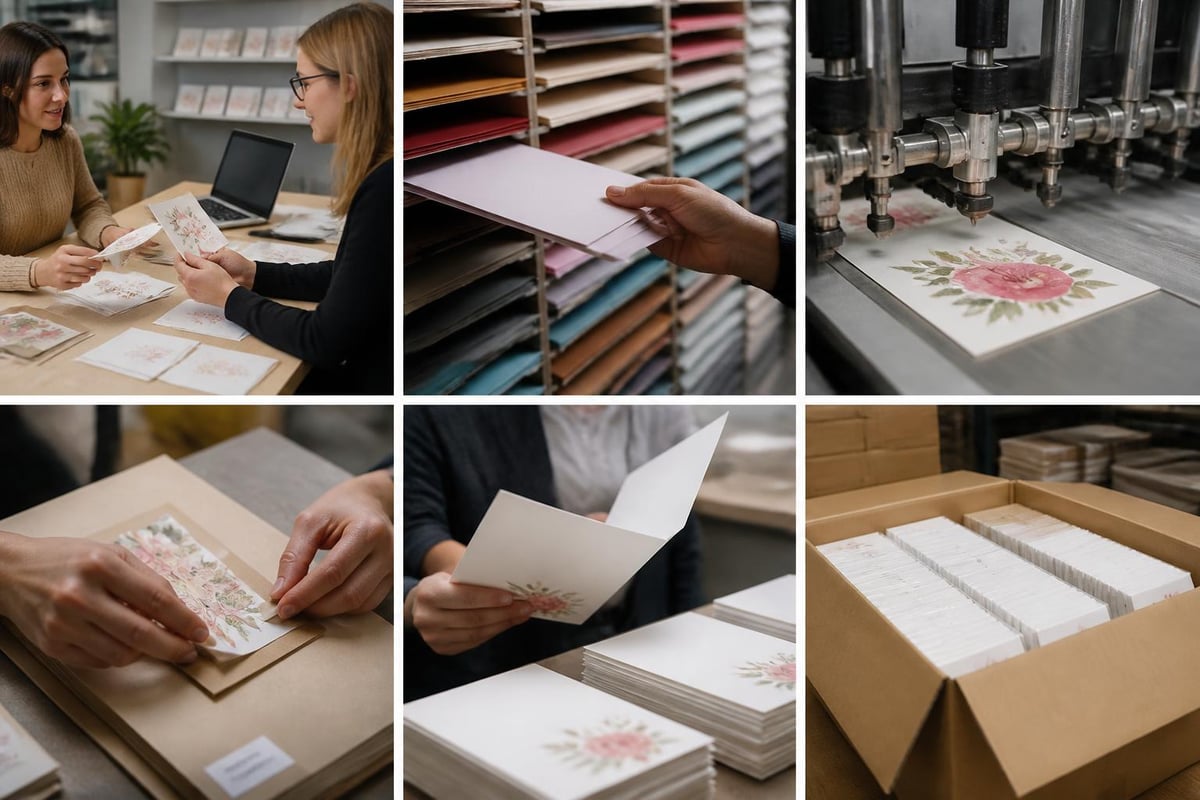
Production timelines vary based on complexity and order volume. Standard flat cards typically require 2-3 weeks from approval to delivery, while intricate pop-up designs may need 4-6 weeks to ensure proper assembly and quality standards.
Manufacturing Processes and Technologies
A professional greeting cards manufacturer employs multiple production methods depending on design requirements and order specifications. Understanding these processes helps buyers select the right manufacturing partner for their needs.
Digital Printing vs Offset Printing
| Aspect | Digital Printing | Offset Printing |
|---|---|---|
| Best for | Small runs (100-5,000 units) | Large runs (5,000+ units) |
| Setup cost | Low | High |
| Unit cost | Higher per card | Lower per card |
| Turnaround | 5-10 days | 15-25 days |
| Customization | Excellent for variable data | Better for consistent designs |
Digital printing technology has revolutionized short-run production, making custom cards economically viable for smaller businesses. Modern digital presses deliver exceptional color accuracy and can handle specialty papers that traditional methods struggle with.
Offset printing remains the standard for high-volume production where consistency and cost-efficiency matter most. Major manufacturers maintain both capabilities to serve diverse client needs.
Specialty Techniques and Embellishments
Beyond basic printing, manufacturers differentiate themselves through specialty finishing:
Foil stamping adds metallic elements that catch light and create premium appearances. Gold, silver, and holographic foils remain popular choices for wedding cards and luxury brand communications.
Embossing and debossing create tactile dimension without adding materials. These techniques work particularly well for corporate branding and elegant anniversary cards.
Die-cutting enables custom shapes that break from traditional rectangular formats. Heart-shaped Valentine's cards and ornament-style Christmas designs demonstrate this capability's versatility.
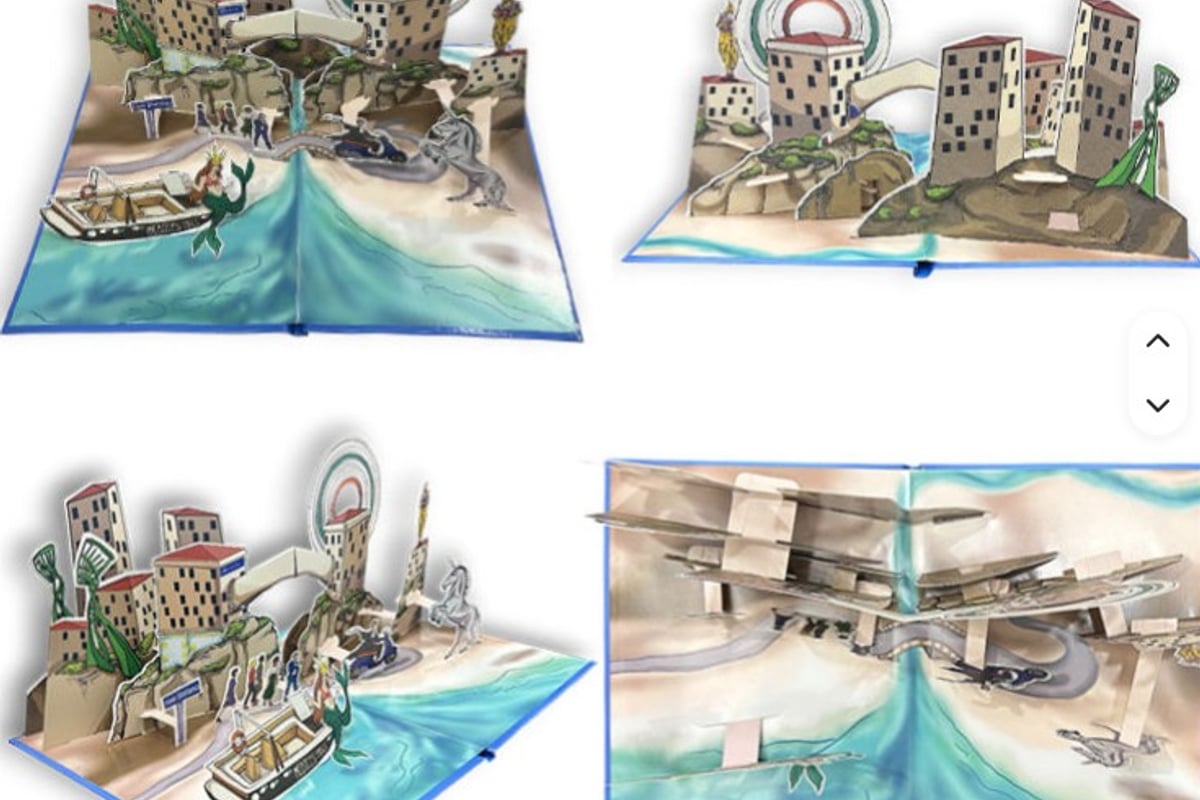
Pop-up engineering represents the pinnacle of greeting card craftsmanship. Skilled manufacturers employ precise folding techniques and strategic paper engineering to create three-dimensional scenes that spring to life when cards open. This specialty requires significant expertise and hand-assembly capabilities.
Quality Standards and Materials Selection
Material choices directly impact the final product's look, feel, and perceived value. A reputable greeting cards manufacturer maintains strict quality standards across their entire supply chain.
Paper Weight and Finish Options
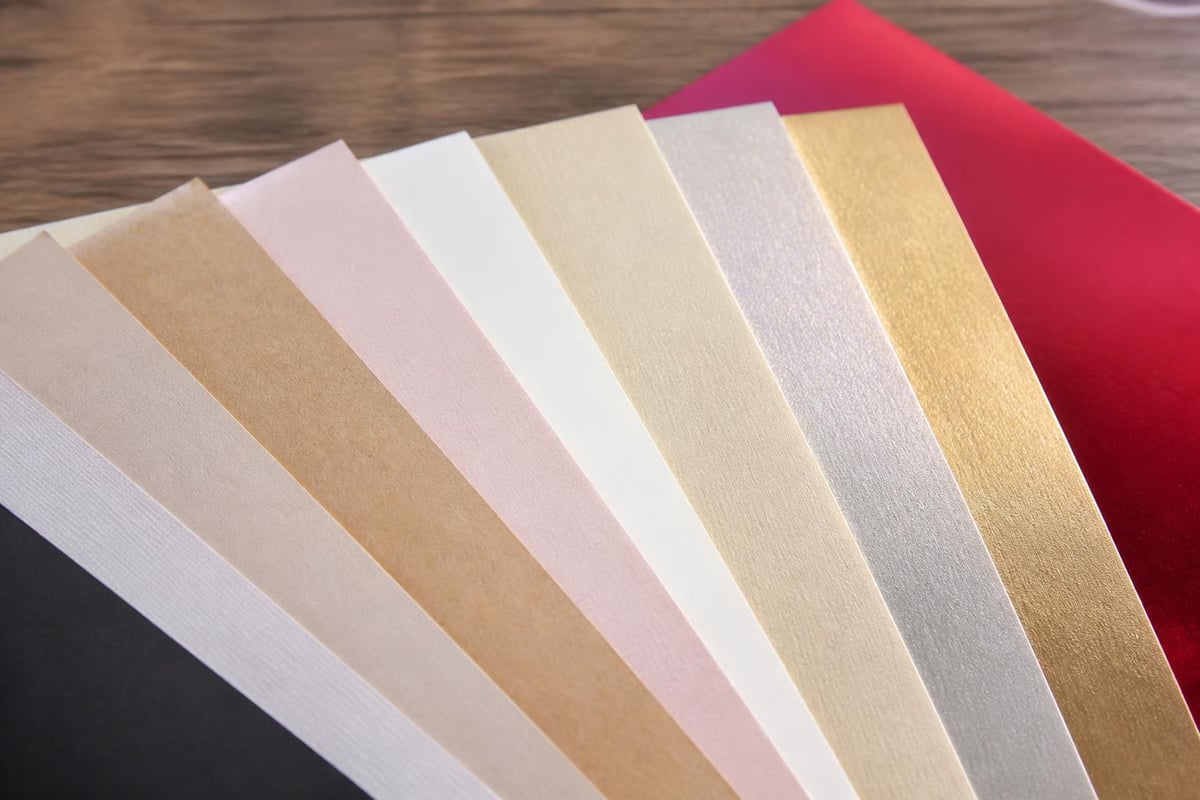
Premium greeting cards typically use cardstock ranging from 250gsm to 350gsm for the main body. This weight provides substantial feel while remaining flexible enough for folding and mailing. Cover stock may reach 400gsm for maximum durability.
Surface finishes include:
- Matte: Sophisticated, non-reflective appearance that accepts handwriting easily
- Gloss: Vibrant colors with reflective surface ideal for photographic imagery
- Textured: Linen, felt, or custom patterns adding tactile interest
- Pearlescent: Subtle shimmer suggesting elegance and occasion significance
Envelope quality matters equally. Coordinated colors, proper sizing, and adequate seal strength ensure cards arrive intact and presentable.
Sustainability Considerations
Environmental responsibility has become a deciding factor for many buyers. Forward-thinking manufacturers now offer:
FSC-certified papers sourced from responsibly managed forests provide verifiable sustainability credentials. These materials meet growing consumer demand for eco-conscious products without compromising quality.
Recycled content options incorporate post-consumer waste while maintaining professional appearance standards. Modern recycling processes produce papers rivaling virgin fiber quality.
Vegetable-based inks replace petroleum-derived alternatives, reducing environmental impact while delivering comparable color quality. These inks work particularly well with uncoated and recycled papers.
Biodegradable glitter answers concerns about microplastic pollution from traditional glitter products. Plant-based alternatives create similar visual effects with environmental benefits.
Customization and Design Services
The ability to create distinctive, brand-aligned designs separates exceptional manufacturers from commodity suppliers. Custom design services range from simple logo placement to comprehensive creative development.
Design Development Process
Professional manufacturers typically follow structured design workflows:
- Creative brief development: Understanding brand identity, target audience, occasion, and messaging goals
- Concept presentation: Initial sketches or digital mockups showing 2-3 design directions
- Revision rounds: Refinement based on client feedback, typically 2-3 iterations included
- Technical specification: Final artwork preparation with precise cutting lines, folding guides, and color specifications
- Physical proof approval: Actual printed sample for final sign-off before production begins
This structured approach minimizes miscommunication and ensures final products match expectations. Experienced design teams understand paper behavior, printing limitations, and assembly requirements that affect feasibility.
OEM and ODM Capabilities
Original Equipment Manufacturing (OEM) allows brands to order existing designs with their logo or customized messaging. This approach reduces development costs while maintaining professional quality standards.
Original Design Manufacturing (ODM) provides complete creative services from concept through execution. Manufacturers with strong ODM capabilities become true partners in product development, offering market insights and technical expertise.
For businesses entering new markets or launching seasonal collections, ODM partnerships accelerate time-to-market while reducing internal resource requirements. The investment in custom creative pop-up greeting cards transforms standard communications into memorable brand touchpoints that elevate corporate status and create lasting impressions on clients and partners.
Market Trends Shaping Manufacturing in 2026
The greeting card sector demonstrates consistent evolution driven by consumer preferences and technological advancement. Manufacturers who understand and adapt to these trends maintain competitive advantages.
Personalization at Scale
Variable data printing enables mass customization previously impossible at competitive price points. Modern systems can incorporate individual names, photos, or messages across thousands of units without manual intervention.
This capability particularly benefits corporate clients sending customer appreciation cards, employee recognition, or event invitations. The personal touch increases engagement while maintaining production efficiency.
Augmented Reality Integration
Progressive manufacturers now incorporate QR codes or NFC chips that link physical cards to digital experiences. Recipients scan codes to access video messages, photo galleries, or interactive content that extends the card's emotional impact.
This hybrid approach combines physical cards’ cultural significance with digital capabilities, creating memorable multi-sensory experiences. The technology adds minimal cost while substantially increasing perceived value.
Subscription and Direct-to-Consumer Models
While wholesale distribution remains dominant, some manufacturers now offer direct consumer subscriptions. Monthly card deliveries for various occasions help consumers maintain relationships without last-minute shopping stress.
This model provides manufacturers with predictable revenue streams and direct customer relationships, reducing dependence on retail intermediaries. The approach works particularly well for specialty designs and premium products.
Selecting the Right Manufacturing Partner
Choosing a greeting cards manufacturer requires evaluating multiple factors beyond price. Long-term success depends on alignment across capabilities, values, and business practices.
Essential Evaluation Criteria
| Factor | Questions to Ask | Why It Matters |
|---|---|---|
| Production capacity | What's your maximum monthly output? | Ensures they can scale with your growth |
| Quality systems | What inspection processes do you use? | Protects brand reputation through consistency |
| Design support | Do you offer in-house creative services? | Reduces your resource requirements |
| Minimum orders | What's your MOQ for custom designs? | Affects inventory investment and flexibility |
| Lead times | What's typical turnaround for reorders? | Impacts inventory planning and seasonal readiness |
| Sustainability | What eco-friendly options do you offer? | Aligns with corporate values and consumer expectations |
Sample evaluation should be non-negotiable. Physical samples reveal quality levels that photographs cannot capture. Request samples from actual production runs rather than specially prepared showcase pieces.
Communication and Service Standards
Manufacturing excellence means nothing without reliable communication. Assess responsiveness during initial inquiries as it typically reflects ongoing service quality.
Clear documentation practices prevent misunderstandings. Professional manufacturers provide detailed specifications, production schedules, and shipping information without prompting. They proactively communicate potential delays or issues rather than forcing clients to chase updates.
Payment terms and intellectual property protection deserve careful attention. Standard industry practice involves 30-50% deposits with balance due before shipping. Manufacturers should sign non-disclosure agreements protecting proprietary designs and customer lists.
Geographic Considerations and Supply Chain Management
Manufacturing location affects costs, lead times, quality standards, and communication efficiency. Understanding trade-offs helps optimize supplier selection.
Domestic vs International Production
Domestic manufacturers offer advantages in communication simplicity, faster shipping, smaller minimum orders, and easier facility visits. These benefits come at higher per-unit costs reflecting local labor and overhead expenses.
International production, particularly from Asian manufacturers, delivers significant cost savings on volume orders. Vietnam has emerged as a major greeting card manufacturing hub, combining skilled craftsmanship with competitive pricing and improving infrastructure.
Language barriers and time zone differences require adjustment but rarely pose insurmountable challenges with established manufacturers serving international markets. Video conferencing, digital proofing systems, and dedicated export staff minimize coordination friction.
Logistics and Inventory Planning
Shipping methods dramatically affect total landed costs and delivery timelines:
- Air freight: 5-10 days transit, higher cost, best for urgent or high-value orders
- Sea freight: 25-35 days transit, lowest cost per unit, ideal for seasonal inventory building
- Consolidated shipping: Combines orders from multiple buyers, balancing cost and speed
Customs and duties add complexity to international sourcing. Experienced manufacturers assist with proper documentation, HS code classification, and compliance requirements. Some operate bonded warehouses or have partnerships with import specialists.
Inventory management requires balancing carrying costs against stockout risks. Seasonal products demand advance planning, with Christmas cards often ordered 6-8 months before retail season. Evergreen designs support smaller, more frequent replenishment orders.
Business Applications Beyond Retail
While consumer retail drives significant volume, greeting cards serve diverse business purposes that forward-thinking companies increasingly leverage.
Corporate Communications
Employee recognition programs using customized cards create personal touchpoints that email cannot replicate. Birthday cards, work anniversary acknowledgments, and achievement celebrations build culture and demonstrate genuine appreciation.
Customer loyalty initiatives benefit from tangible cards marking milestones, thanking repeat business, or celebrating customer anniversaries. The physical format stands out in digital-dominated marketing environments.
Seasonal greetings to clients and partners maintain relationships during holiday periods. Custom designs featuring company branding make stronger impressions than generic retail selections.
Event Marketing and Invitations
Premium events deserve invitations that match their significance. Three-dimensional pop-up invitation cards create anticipation and signal event importance before guests arrive. The format works particularly well for product launches, corporate galas, and milestone celebrations.
Unique invitation designs become conversation pieces and often get saved as keepsakes, extending brand exposure beyond the event itself. This lasting impression justifies higher per-unit investment compared to standard printed invitations.
Nonprofit and Educational Uses
Fundraising campaigns incorporate greeting cards as both products and premiums. Supporters purchase cards to support causes while receiving tangible value. Custom designs featuring organizational missions create emotional connections with donors.
Educational institutions use cards for donor acknowledgment, alumni engagement, and recruitment communications. Graduation congratulations, acceptance notifications, and reunion invitations benefit from memorable presentation formats.
Industry Statistics and Market Outlook
Understanding market dynamics helps manufacturers and buyers make strategic decisions about product development, inventory investment, and market positioning.
The U.S. greeting card market demonstrates remarkable stability, with industry revenue and trends showing consistent performance despite digital competition. Physical cards maintain cultural significance that digital alternatives struggle to replicate.
Key market segments by occasion include:
- Birthday cards: 60% of annual unit volume, driven by cultural tradition and personal celebration importance
- Christmas/Holiday: 20% of volume but higher average prices reflecting premium design investment
- Valentine's Day: 10% of volume with concentrated seasonal demand
- Everyday occasions: 10% covering sympathy, get well, thank you, and general communication
Price tiers segment markets based on production quality and design sophistication:
- Value tier: $0.50-$1.50 retail, mass-market designs with basic printing
- Mid-market: $2.00-$4.00 retail, better materials with specialty finishes
- Premium: $5.00-$8.00 retail, distinctive designs with high-quality materials
- Luxury/specialty: $10.00+ retail, handcrafted elements, pop-up mechanisms, unique formats
Consumer research shows buyers increasingly value uniqueness and personalization over pure price considerations. This trend benefits manufacturers offering customization capabilities and distinctive design perspectives.
Digital transformation doesn't threaten physical cards but rather complements them. Many consumers use digital communication for routine interactions while reserving physical cards for meaningful occasions requiring tangible expression.
For entrepreneurs looking to enter the greeting card market, understanding both traditional manufacturing and modern digital strategies becomes essential. Resources like CreateSell can help aspiring business owners develop digital products and build sustainable business models that complement physical product offerings.

Technical Specifications and File Preparation
Professional results require proper file preparation that accounts for manufacturing processes and material behaviors. Understanding technical requirements prevents costly revisions and production delays.
Design File Requirements
Resolution standards vary by printing method but generally require 300 DPI minimum at actual size. Vector elements should remain vector format when possible to ensure crisp edges at any scale.
Color management demands attention to color space differences. RGB files designed on screens must convert to CMYK for printing, often shifting colors slightly. Professional manufacturers provide color-matching services but cannot guarantee exact screen-to-print matches given fundamental technology differences.
Bleed and safe zones account for trimming variations. Standard practice includes:
- 3mm bleed beyond final trim size
- 3mm safety margin inside trim for critical text or imagery
- Additional clearance around fold lines preventing ink cracking
Font handling requires either outlining text to curves or providing all font files. Missing fonts cause production delays and potential design corruption.
Die-Cut and Pop-Up Specifications
Complex shapes and three-dimensional mechanisms require specialized design knowledge. Most manufacturers provide templates showing fold lines, glue tabs, and assembly sequences.
Paper grain direction affects folding behavior and final product quality. Professional designs align critical folds with grain direction to prevent cracking and ensure smooth operation.
Tolerance considerations account for die-cutting and assembly variations. Designs requiring precise alignment need generous tolerances preventing fit issues across production runs.
Testing and Prototyping Best Practices
Physical prototypes reveal issues that digital previews cannot anticipate. Investing in proper prototyping prevents expensive mistakes in full production runs.
Prototype Types and Uses
Digital proofs show color, layout, and general appearance at minimal cost. These work well for initial design review but cannot reveal finishing effects or material characteristics.
Physical proofs printed on actual production equipment and materials demonstrate true final appearance. These reveal color accuracy, finish quality, and how coatings interact with imagery.
Fully finished samples include all embellishments, die-cutting, and assembly. These prototypes test functionality for pop-up mechanisms and assess overall quality before committing to large orders.
Budget adequate prototype rounds into project timelines. Rushing through sampling to meet launch dates often results in compromised final products requiring expensive reprints or market acceptance issues.
Pricing Structure and Cost Considerations
Understanding pricing components helps buyers budget accurately and evaluate quotes from multiple manufacturers effectively.
Cost Factors in Manufacturing
Setup costs cover design preparation, printing plate creation, and die-cutting tool fabrication. These fixed expenses distribute across order quantities, making larger runs more economical per unit.
Material costs reflect paper grade, size, and any specialty finishes. Premium stocks and metallic elements increase base costs but may justify price premiums supporting higher margins.
Production labor varies by complexity. Simple folded cards require minimal handling while intricate pop-up designs need skilled hand-assembly increasing per-unit costs significantly.
Shipping and logistics can equal or exceed production costs for international orders. Container optimization, freight method selection, and customs efficiency all impact total delivered pricing.
Volume discounts typically begin around 5,000 units with significant breaks at 10,000 and 25,000 pieces. Manufacturers balance customer acquisition against production efficiency when pricing smaller orders.
Building Long-Term Manufacturing Relationships
The most successful greeting card businesses develop strategic partnerships with manufacturers rather than treating them as interchangeable vendors. These relationships deliver advantages beyond simple cost savings.
Partnership Benefits and Expectations
Collaborative product development leverages manufacturer expertise about market trends, production feasibility, and cost optimization. Experienced partners guide design decisions preventing expensive mistakes.
Priority scheduling during peak seasons helps reliable customers meet critical deadlines. Manufacturers allocate capacity to established partners before accepting new client requests.
Flexible payment terms often develop after demonstrating consistent order history and reliable payment. Extended terms improve cash flow management for growing businesses.
Market intelligence flows from manufacturers serving multiple clients across regions. These insights inform product development, pricing strategies, and competitive positioning.
Building these relationships requires professionalism, clear communication, and fair treatment. Unrealistic demands, constant price pressure, and last-minute changes damage partnerships limiting future cooperation.
Selecting the right greeting cards manufacturer fundamentally impacts product quality, customer satisfaction, and business profitability. The combination of production expertise, design capabilities, quality standards, and service reliability determines partnership success more than price alone. Whether you need custom designs for corporate communications, seasonal collections for retail distribution, or specialized pop-up cards creating memorable experiences, The3dCards offers comprehensive manufacturing solutions backed by Vietnamese craftsmanship and international quality standards to bring your vision to life.