
Wedding invitations set the tone for one of life's most memorable celebrations. In 2026, couples are moving beyond traditional flat cards to embrace wedding cards 3d that create an unforgettable first impression. These dimensional masterpieces combine artistry, engineering, and personalization to deliver an invitation that guests will treasure long after the ceremony ends. Pop-up wedding cards transform a simple announcement into an interactive experience that reflects the couple's unique story and wedding theme.
Mục Lục
- 1 The Evolution of Wedding Invitations
- 2 What Makes Wedding Cards 3D Unique
- 3 Design Categories for 3D Wedding Cards
- 4 The Manufacturing Process
- 5 Practical Considerations for Couples
- 6 Creating DIY 3D Wedding Invitations
- 7 Digital Alternatives: 3D Wedding E-Cards
- 8 Coordinating Stationery Suite
- 9 Trends Shaping the Future
- 10 Choosing the Right Supplier
The Evolution of Wedding Invitations
Traditional wedding stationery has undergone a dramatic transformation over the past decade. While embossed printing and letterpress techniques dominated the luxury invitation market for generations, modern couples seek more innovative ways to announce their union. The shift toward experiential design has made wedding cards 3d increasingly popular among those who want their invitations to stand out.
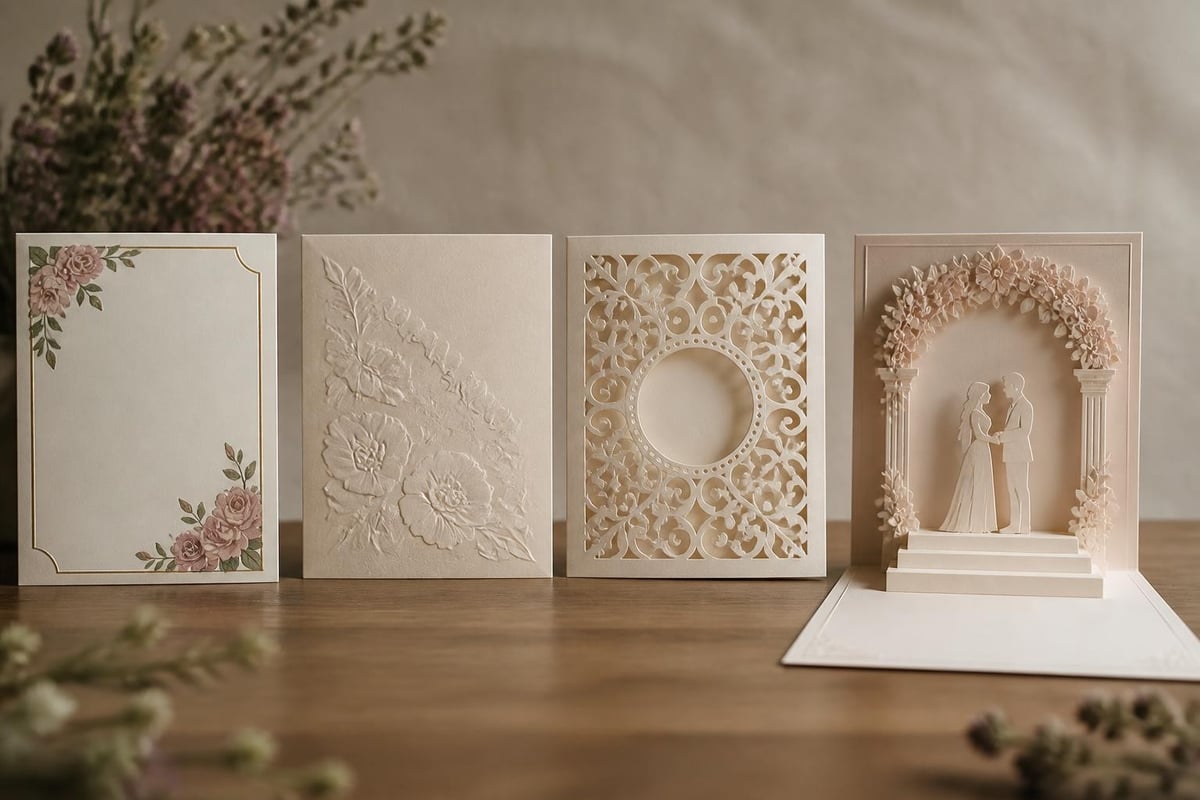
Current wedding invitation design trends for 2026 emphasize immersive elements that engage multiple senses. Three-dimensional cards accomplish this by surprising recipients with intricate paper architecture that unfolds to reveal churches, gardens, ballrooms, or symbolic representations of the couple's relationship. This tactile experience creates an emotional connection that flat invitations simply cannot match.
What Makes Wedding Cards 3D Unique
Pop-up wedding invitations distinguish themselves through several key characteristics that elevate them above conventional stationery options.
Dimensional Architecture
The defining feature of wedding cards 3d is their ability to transform from a flat envelope into a standing three-dimensional structure. When recipients open these cards, carefully engineered paper layers spring into position, creating depth and movement. The architecture can range from simple two-layer designs to complex multi-plane constructions featuring dozens of precisely cut components.
Key structural elements include:
- Base platforms that provide stability
- Vertical support columns creating height
- Floating elements that appear suspended
- Intricate laser-cut patterns adding detail
- Multiple depth layers creating perspective
Customization Possibilities
Modern manufacturing techniques allow unprecedented personalization options for three-dimensional wedding invitations. Couples can incorporate specific venues, cultural symbols, monograms, or thematic elements that tell their unique story. The customization extends beyond visual design to include paper selection, color schemes, and finishing techniques.
| Customization Category | Options Available | Impact on Design |
|---|---|---|
| Architectural Elements | Churches, gazebos, archways, skylines | Creates venue recognition |
| Floral Components | Roses, peonies, cherry blossoms, tropical flowers | Reflects wedding theme |
| Cultural Symbols | Mandala patterns, Celtic knots, Japanese motifs | Honors heritage |
| Text Integration | Calligraphy, modern fonts, multilingual options | Personalizes messaging |
Design Categories for 3D Wedding Cards
Wedding cards 3d fall into several distinct design categories, each offering different aesthetic appeals and complexity levels.
Architectural Designs
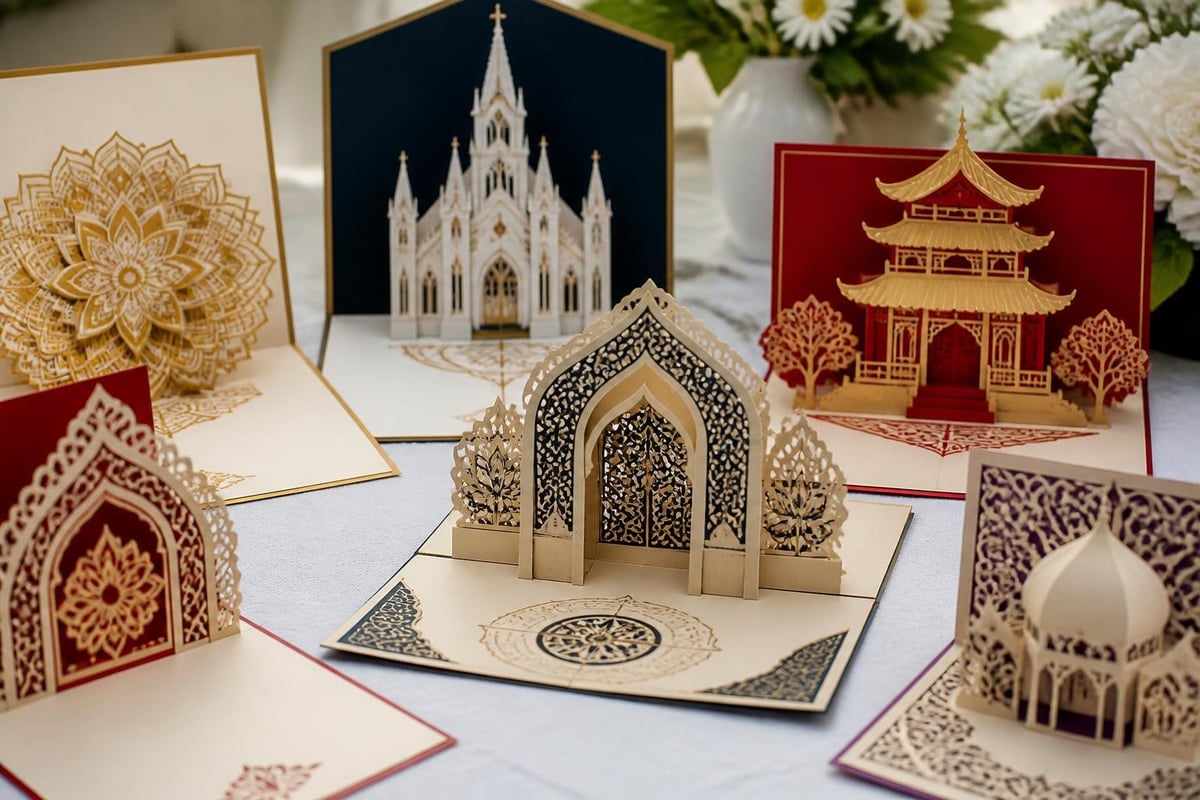
These invitations recreate buildings or structures significant to the couple's relationship. Popular choices include the wedding venue itself, landmarks from where they met, or idealized representations of churches and ballrooms. The architectural approach works particularly well for formal weddings and creates instant visual recognition.
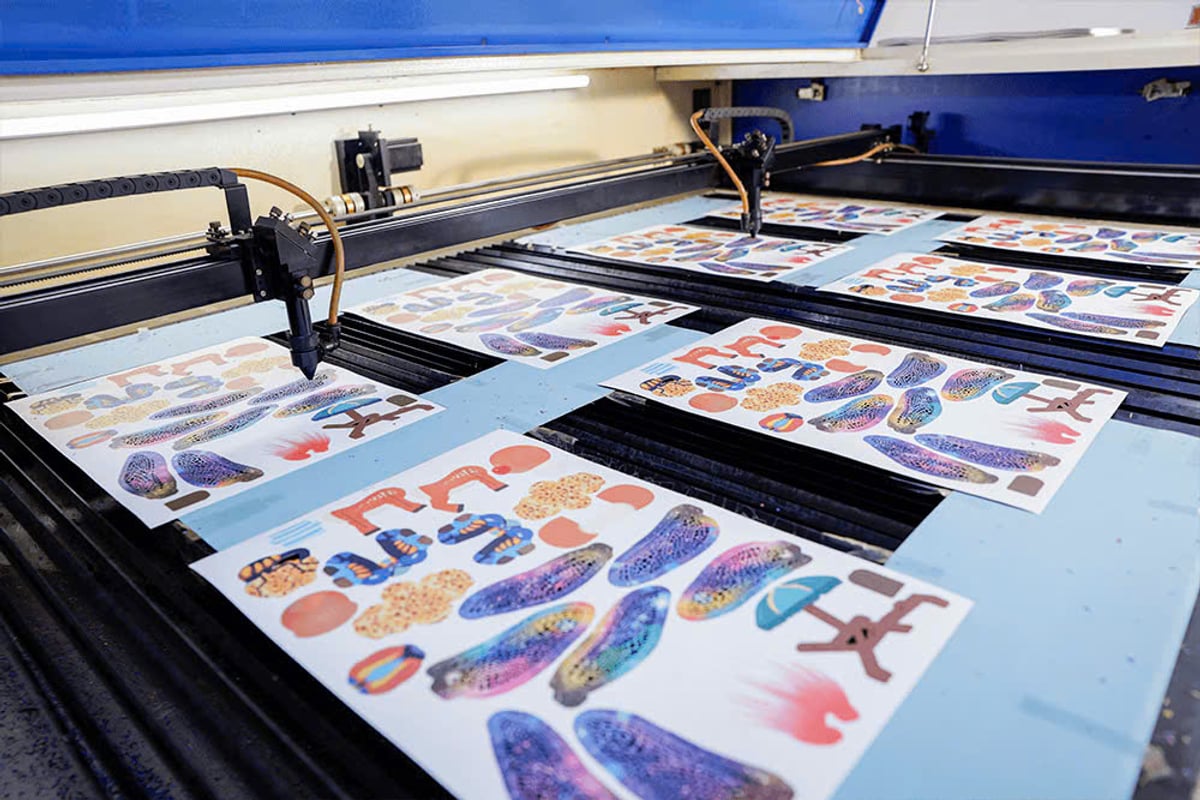
Manufacturers use high-precision laser cutting technology to achieve the crisp lines and detailed façades necessary for architectural accuracy. The assembly process requires skilled artisans who understand how each component interacts to create structural stability while maintaining delicate appearance.
Floral and Natural Themes
Garden weddings and nature-loving couples often select designs featuring elaborate floral pop-ups. These cards might showcase flower arrangements that bloom when opened, creating a miniature garden scene. The botanical approach allows for vibrant color combinations and organic shapes that soften the geometric precision of paper engineering.
Natural themes extend beyond flowers to include trees, butterflies, birds, and landscape elements. These designs pair exceptionally well with outdoor ceremonies and rustic wedding aesthetics.
Romantic Symbols
Heart shapes, intertwined rings, doves, and couple silhouettes represent classic romantic imagery translated into three-dimensional form. These symbolic designs work across various wedding styles and cultural contexts. The simplicity of the core symbols allows for elaborate detailing in the surrounding elements without overwhelming the composition.
Modern interpretations might combine traditional symbols with contemporary design sensibilities, such as geometric hearts or minimalist ring representations that align with modern wedding invitation trends.
Cultural and Religious Motifs
Couples celebrating their heritage often incorporate cultural symbols into their wedding cards 3d. These might include mandala patterns for Indian weddings, pagoda structures for Asian ceremonies, Celtic crosses for Irish celebrations, or mezuzah designs for Jewish unions. The three-dimensional format allows these cultural elements to take center stage with appropriate reverence and detail.
The Manufacturing Process
Understanding how wedding cards 3d are produced helps couples appreciate the craftsmanship involved and make informed decisions about customization options.
Design and Prototyping
The creation process begins with concept development, where designers translate the couple's vision into technical specifications. Computer-aided design software generates precise cutting patterns and fold lines. Multiple prototypes undergo testing to ensure the card opens smoothly and maintains structural integrity through handling and mailing.
Production stages include:
- Initial consultation and concept approval
- Technical drawing creation with exact measurements
- Laser cutting pattern programming
- First prototype assembly and testing
- Refinements based on structural performance
- Final approval and production scaling
Material Selection
Premium art paper forms the foundation of quality pop-up cards. The paper must be thick enough to hold its shape when folded yet thin enough to cut cleanly and fold precisely. Weight typically ranges from 250 to 350 GSM depending on the design complexity. Manufacturers often use acid-free archival paper that resists yellowing over time.
Color options include solid cardstock in traditional wedding colors, metallic finishes for luxury appeal, and specialty papers with textures or patterns. Some designs incorporate multiple paper weights within a single card, using heavier stock for base layers and lighter weights for delicate floating elements.
Assembly and Quality Control
While laser cutting provides precision, human craftsmanship remains essential for assembly. Skilled artisans fold each crease, apply adhesive to connection points, and verify that every element functions correctly. This hands-on approach ensures each card meets quality standards before packaging.
As a pop-up card manufacturing factory in Vietnam, suppliers implement strict quality control processes that include checking alignment, testing opening mechanisms, and inspecting finish quality. This attention to detail distinguishes premium products from mass-produced alternatives.
Practical Considerations for Couples
Selecting wedding cards 3d requires attention to several practical factors beyond aesthetic preferences.
Timeline Requirements
Three-dimensional invitations require longer production times than standard printed cards. Couples should allow 8-12 weeks for custom designs from concept to delivery. This timeline includes design approval, prototype development, production, and shipping. Rush orders may be possible but often incur additional fees and may limit customization options.
Budget Planning
Pop-up wedding invitations represent a premium stationery investment. Pricing varies based on design complexity, quantity ordered, and customization level. Couples can expect to invest significantly more than conventional invitations, but the unique impact often justifies the expense for those prioritizing memorable guest experiences.
| Complexity Level | Price Range per Card | Typical Features |
|---|---|---|
| Simple Pop-Up | $4-8 | Single central element, 2-3 layers |
| Moderate Design | $8-15 | Multiple elements, 4-6 layers, basic customization |
| Complex Architecture | $15-30+ | Intricate details, 7+ layers, full customization |
Bulk ordering reduces per-unit costs, and working directly with manufacturers rather than through retailers provides better pricing for larger weddings.
Mailing Logistics
The dimensional nature of these cards affects shipping considerations. Standard envelope sizes may not accommodate fully assembled cards, requiring custom packaging or partial assembly upon receipt. Weight impacts postage costs, as three-dimensional cards typically exceed standard letter rates.
Mailing recommendations:
- Use rigid mailers or boxes to prevent crushing
- Add "Do Not Bend" markings to packaging
- Hand-deliver when possible for local guests
- Allow extra postage budget for dimensional mail
- Test mail one invitation to verify postal requirements
- Consider timing to ensure delivery 6-8 weeks before wedding
Creating DIY 3D Wedding Invitations
Crafty couples with time and patience might consider creating DIY 3D pop-up wedding invitations as a budget-friendly alternative. This approach offers complete creative control and adds personal significance to each card.
Essential Tools and Materials
Successful DIY projects require specific supplies and equipment. A craft cutting machine or high-quality craft knife enables precise cutting. Bone folders create crisp, professional-looking folds. Adhesive options include double-sided tape, liquid glue, or glue dots depending on the assembly method.
Pattern templates available online provide starting points that couples can customize. However, creating entirely original designs demands understanding of paper engineering principles and considerable trial and error.
Time Investment Reality
Ambitious couples should realistically assess the time commitment. Creating even simple wedding cards 3d by hand can require 20-30 minutes per invitation once the technique is mastered. For a 100-guest wedding, this represents 33-50 hours of assembly time, not including design development and prototype testing.
The learning curve adds additional hours during the early stages. Most DIY creators produce several unsuccessful attempts before achieving consistent results. This time investment must be weighed against professional manufacturing options and other wedding planning demands.
Digital Alternatives: 3D Wedding E-Cards
Technology-forward couples might explore 3D wedding e-card designs as complementary or alternative invitation formats. These digital invitations use animation, video, and interactive elements to create dimensional effects on screens rather than through paper engineering.
E-cards offer environmental benefits, instant delivery, and unlimited customization possibilities without physical material constraints. However, they lack the tactile experience and keepsake value that physical pop-up cards provide. Many couples use both formats: digital save-the-dates followed by physical 3D invitations for the formal announcement.
Coordinating Stationery Suite
Wedding cards 3d set a distinctive aesthetic that influences other stationery elements throughout the wedding journey.
Consistent Theme Development
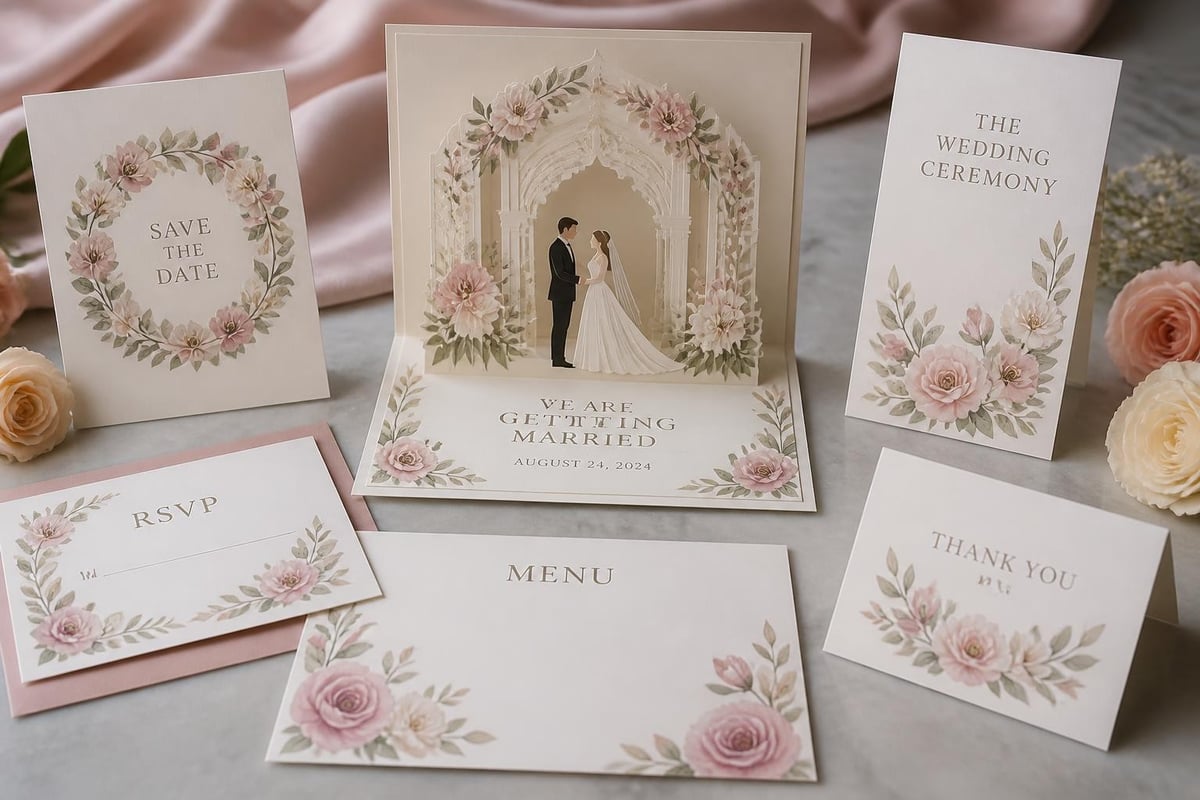
The design elements from pop-up invitations should echo through save-the-dates, ceremony programs, menu cards, and thank-you notes. While not every piece needs three-dimensional elements, color palettes, typography, and symbolic motifs create cohesive visual storytelling.
Some couples commission matching pop-up elements for special stationery pieces like welcome signs or guest book alternatives while using simpler designs for high-quantity items like ceremony programs.
Reply Cards and Inserts
Traditional RSVP cards, accommodation information sheets, and direction cards accompany the main invitation. These inserts typically use flat designs that coordinate with the invitation's aesthetic. Including too many three-dimensional elements increases bulk, postage costs, and assembly complexity.
A balanced approach uses premium cardstock with matching colors and fonts for inserts while reserving the pop-up feature for the main invitation piece. This maintains visual consistency without overwhelming recipients or budget.
Trends Shaping the Future
The wedding cards 3d category continues evolving as new technologies and design philosophies emerge.
Sustainable Materials
Environmental consciousness drives demand for eco-friendly pop-up cards. Manufacturers respond with recycled paper stocks, vegetable-based inks, and biodegradable adhesives. Some designers incorporate seed paper elements that guests can plant after the wedding, combining the invitation keepsake with environmental contribution.
Sustainable production extends to packaging choices, using minimal plastic and opting for recyclable or compostable protective materials during shipping.
Technology Integration
Hybrid designs combine physical pop-up cards with digital enhancements. QR codes embedded in the card link to wedding websites, video messages from the couple, or augmented reality experiences that overlay digital animations onto the physical card when viewed through smartphone apps.
These wedding planning trends for 2025-2026 reflect broader shifts toward blending traditional and contemporary elements in ways that honor heritage while embracing innovation.
Minimalist Complexity
An interesting paradox emerges in current design trends: simpler visual aesthetics achieved through increasingly complex engineering. Clean, minimalist cards with substantial negative space require precise engineering to create impact with fewer elements. This approach appeals to modern couples who appreciate understated elegance over ornate decoration.
The engineering challenge lies in creating structural stability with minimal visible support mechanisms, resulting in floating elements that appear impossibly suspended.
Choosing the Right Supplier
Selecting a manufacturer for wedding cards 3d significantly impacts final quality, customization options, and overall satisfaction.
Evaluation Criteria
Quality indicators to assess:
- Portfolio diversity showing various design styles
- Sample availability for hands-on evaluation
- Clear communication during design consultation
- Transparent pricing without hidden fees
- Realistic timeline estimates with buffer allowances
- Quality control processes and defect policies
- Customer reviews from previous wedding clients
Requesting samples allows couples to evaluate paper quality, cutting precision, and assembly craftsmanship firsthand. The way a card opens, its structural stability when standing, and the crispness of fold lines reveal manufacturing quality that photographs cannot convey.
Custom Design Services
Manufacturers offering OEM/ODM design services provide flexibility for couples with specific visions that don't match existing catalog options. The custom process typically involves design consultations, concept sketches, prototype development, and refinement rounds before final production.
Understanding the manufacturer's design capabilities and limitations helps set realistic expectations. Some structural configurations may be too delicate for reliable mailing, while others might exceed budget constraints due to assembly complexity.
International Manufacturing Benefits
Working with specialized pop-up card manufacturers in regions with established paper crafting traditions often provides quality advantages and cost efficiencies. Vietnam has emerged as a hub for premium pop-up card production, combining skilled artisan traditions with modern manufacturing technology.
International suppliers typically offer competitive pricing for bulk orders while maintaining high quality standards. However, couples must account for longer shipping times and clear communication about customization requirements to ensure successful outcomes.
Wedding cards 3d represent more than invitations; they're tangible expressions of celebration that guests experience through sight and touch. The dimensional artistry, customization possibilities, and memorable impact make these pop-up creations worthy investments for couples seeking to begin their wedding journey with distinction. Whether selecting from existing designs or commissioning custom creations, three-dimensional invitations set an elevated tone that resonates throughout the entire celebration. For couples ready to transform their wedding vision into stunning paper architecture, The3dCards offers expert manufacturing capabilities and personalized design services that bring invitation dreams to life.