
The greeting card industry has transformed dramatically over the past decade, with consumers increasingly seeking memorable, one-of-a-kind pieces that transcend traditional flat designs. Unique cards have become essential tools for personal expression and corporate branding, combining artistic innovation with emotional resonance. As we navigate 2026, the demand for distinctive greeting cards continues to rise, driven by advances in paper engineering, personalization technologies, and a cultural shift toward meaningful physical connections in an increasingly digital world.
Mục Lục
- 1 Understanding What Makes Cards Truly Unique
- 2 Current Trends Shaping Unique Card Innovation
- 3 Applications Across Different Occasions and Industries
- 4 Design Elements That Create Memorable Experiences
- 5 Manufacturing Excellence and Quality Control
- 6 Customization Options and Design Flexibility
- 7 Market Positioning and Competitive Advantages
- 8 Future Directions for Unique Card Innovation
Understanding What Makes Cards Truly Unique
The concept of uniqueness in greeting cards extends far beyond aesthetic appeal. Unique cards distinguish themselves through several critical characteristics that separate them from mass-produced alternatives. These qualities include innovative structural design, personalized content, premium materials, and exceptional craftsmanship.
Defining Characteristics of Distinctive Card Designs
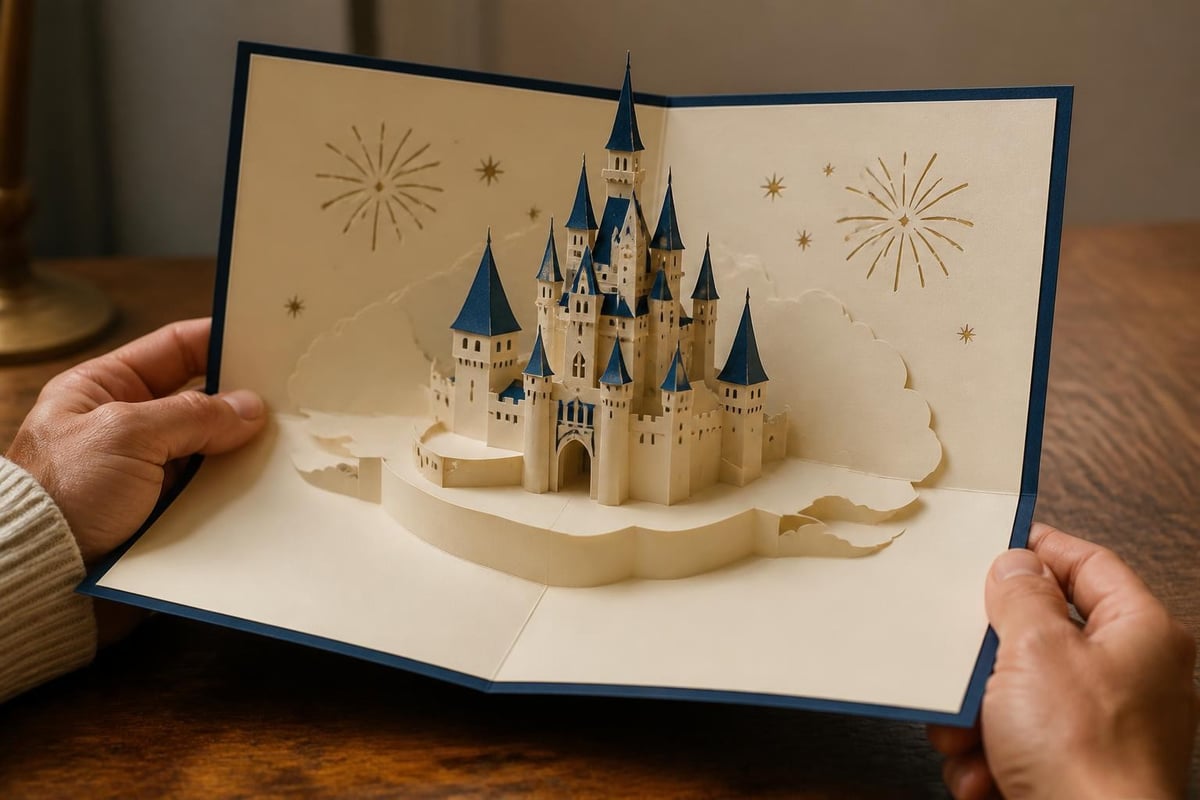
The most successful unique cards combine multiple elements that create memorable experiences for recipients. Three-dimensional pop-up mechanisms represent one of the most striking features, transforming a simple greeting into an interactive art piece. When recipients open these cards, they encounter intricate paper sculptures that range from architectural marvels to delicate floral arrangements.
Material selection plays an equally important role in establishing uniqueness. Premium art paper, textured cardstock, and specialty finishes contribute to both visual and tactile experiences. The weight and quality of materials communicate value and thoughtfulness, particularly important for corporate applications where brand perception matters significantly.
Personalization capabilities have become non-negotiable for modern unique cards. Custom elements might include:
- Recipient-specific names and messages
- Tailored color schemes matching brand identities
- Customized imagery reflecting personal memories or corporate logos
- Unique size specifications for specific display purposes
- Specialized finishes such as foil stamping or embossing
Current Trends Shaping Unique Card Innovation
The landscape of unique cards continues evolving rapidly in 2026. According to greeting card trends for 2026, personalization and emotional storytelling dominate current market preferences. Consumers increasingly value cards that tell stories and create lasting impressions beyond the moment of opening.
Technological Integration in Traditional Formats
Modern unique cards successfully blend traditional craftsmanship with contemporary technology. Some designers incorporate interactive features like sound chips that play personalized messages or theme-appropriate music. LED lighting elements add another dimension, creating illuminated displays that enhance visual impact during evening events.
Despite these technological additions, the fundamental appeal of unique cards remains rooted in tangible, physical experiences. Recent design trends emphasize simplicity and clean aesthetics, even within technologically enhanced formats. This balance ensures cards feel special without becoming gimmicky or overwhelming.
The greeting card design landscape for 2026 highlights the revival of handwritten elements and die-cut shapes. These features add authenticity and human touch, qualities increasingly valued in our digital age. Custom die-cutting allows manufacturers to create silhouettes and shapes that perfectly match themes or brand identities.
Sustainability and Eco-Conscious Design
Environmental responsibility has become central to unique card production. Manufacturers now prioritize:
- Recyclable and biodegradable paper sources
- Water-based adhesives and non-toxic inks
- Minimal packaging using sustainable materials
- Local sourcing to reduce transportation emissions
- Production processes that minimize waste
These considerations don't compromise quality or uniqueness. Instead, they add another layer of value for environmentally conscious consumers who appreciate responsible manufacturing practices.
Applications Across Different Occasions and Industries
Unique cards serve diverse purposes across personal and professional contexts. Understanding these applications helps identify the most effective card solutions for specific needs.
Personal Celebration and Milestone Marking
For personal occasions, unique cards create emotional connections that digital communications cannot replicate. Birthday celebrations, anniversaries, weddings, and holidays all benefit from distinctive card designs that recipients treasure and often display.
Wedding invitations represent a particularly important application for unique cards. Couples seek designs that reflect their personalities and set the tone for their special day. Pop-up invitations featuring intricate architectural elements or symbolic imagery create anticipation and serve as keepsakes guests retain long after the event.
| Occasion Type | Popular Design Elements | Typical Personalization |
|---|---|---|
| Birthdays | Age-specific themes, hobby references | Name, age, personal photos |
| Weddings | Architectural details, floral motifs | Couple names, date, venue illustration |
| Holidays | Seasonal symbols, cultural elements | Family names, year, custom messages |
| Anniversaries | Timeline features, milestone markers | Years together, significant dates |
Corporate and Business Applications
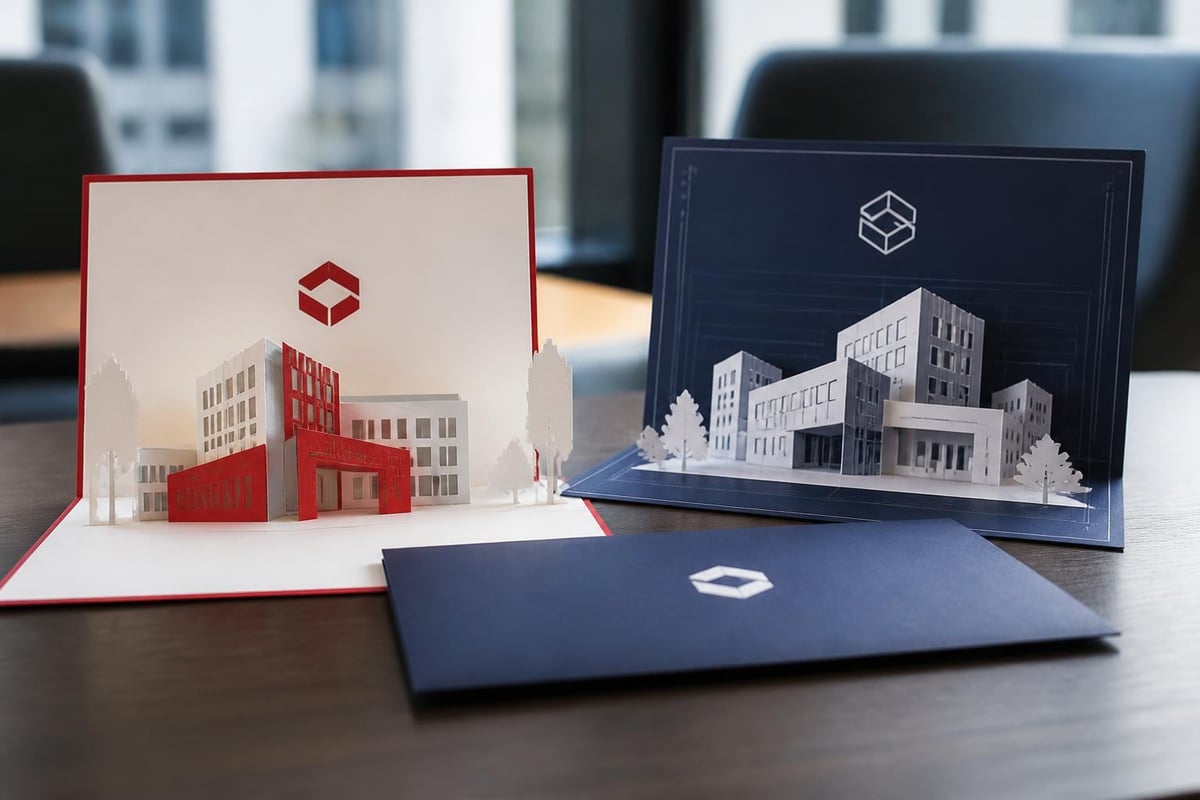
Businesses increasingly recognize unique cards as powerful branding tools. Custom corporate cards communicate professionalism and attention to detail while differentiating companies from competitors. A unique invitation card serves as a tangible representation of brand values and corporate status.
When businesses invest in custom pop-up invitation design and production, they create stunning visual impacts that leave lasting impressions on customers and strategic partners. These invitations often incorporate logos, product representations, or event symbols in three-dimensional formats, adding sophistication to major corporate events. For companies looking to elevate their corporate communications, Custom Creative Pop up Greeting Cards transform standard invitations into masterpieces that affirm brand positioning.
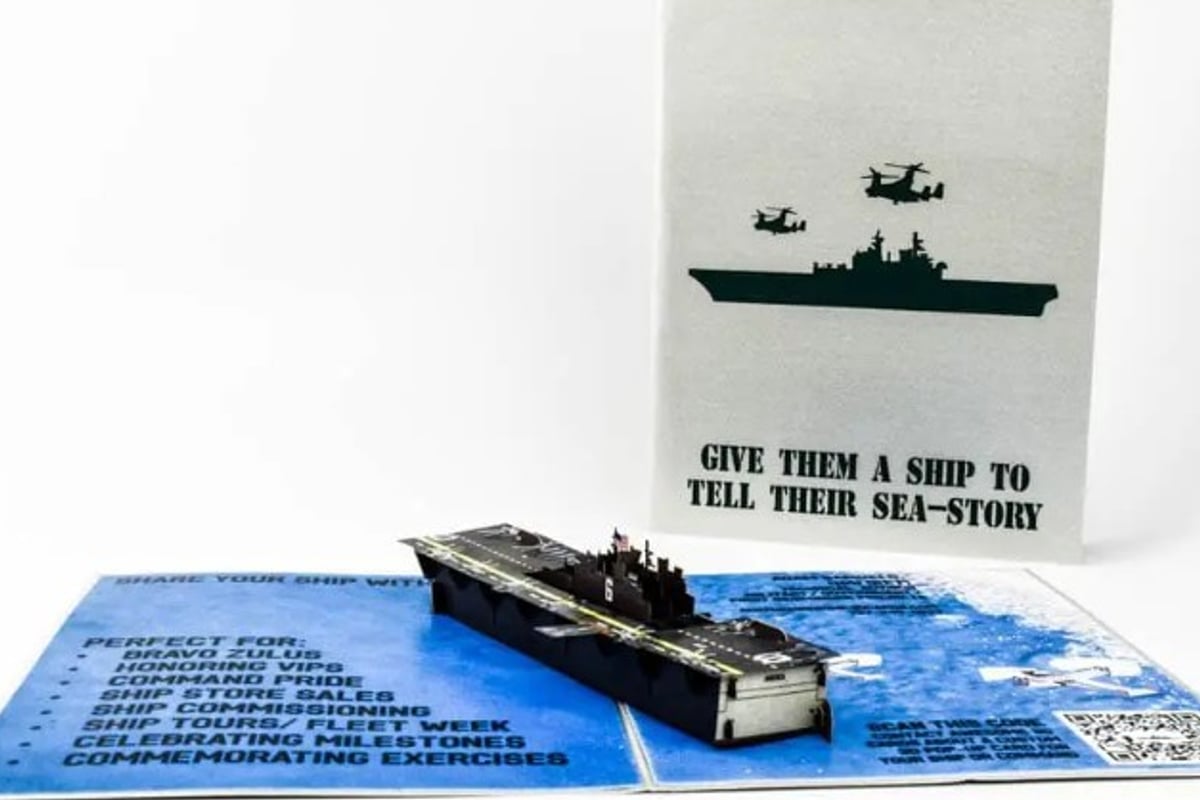
Product launches, client appreciation events, and corporate milestones all benefit from unique card applications. The physical nature of premium cards ensures higher engagement rates compared to digital invitations, with recipients more likely to attend events promoted through distinctive, tactile materials.
Design Elements That Create Memorable Experiences
The history of greeting cards demonstrates an evolution from simple paper exchanges to complex artistic expressions. Modern unique cards build upon this legacy through thoughtful design choices.
Color Psychology and Visual Hierarchy
Color selection significantly impacts how recipients perceive and respond to unique cards. Professional designers leverage color psychology to evoke specific emotions and associations. Warm tones like reds and oranges communicate energy and passion, ideal for celebrations and festive occasions. Cool blues and greens convey tranquility and professionalism, suitable for corporate contexts or sympathy cards.
Visual hierarchy guides the recipient's eye through the card experience. Effective unique cards establish clear focal points through:
- Size variation among design elements
- Contrast between foreground and background components
- Strategic use of white space to prevent visual clutter
- Typography choices that balance readability with aesthetic appeal
- Layering techniques that create depth perception
Typography and Message Integration
Typography transforms simple text into visual art within unique cards. Font selection communicates personality and sets the tone for the entire message. Script fonts suggest elegance and formality, while sans-serif options project modernity and clarity.
Message placement within pop-up structures requires careful consideration. Text must integrate seamlessly with three-dimensional elements without compromising structural integrity or readability. The best unique cards achieve this balance, ensuring messages enhance rather than compete with visual components.
Manufacturing Excellence and Quality Control
Production quality distinguishes truly unique cards from mediocre alternatives. The manufacturing process combines precision technology with skilled craftsmanship to achieve consistent excellence.
Precision Cutting and Assembly Techniques
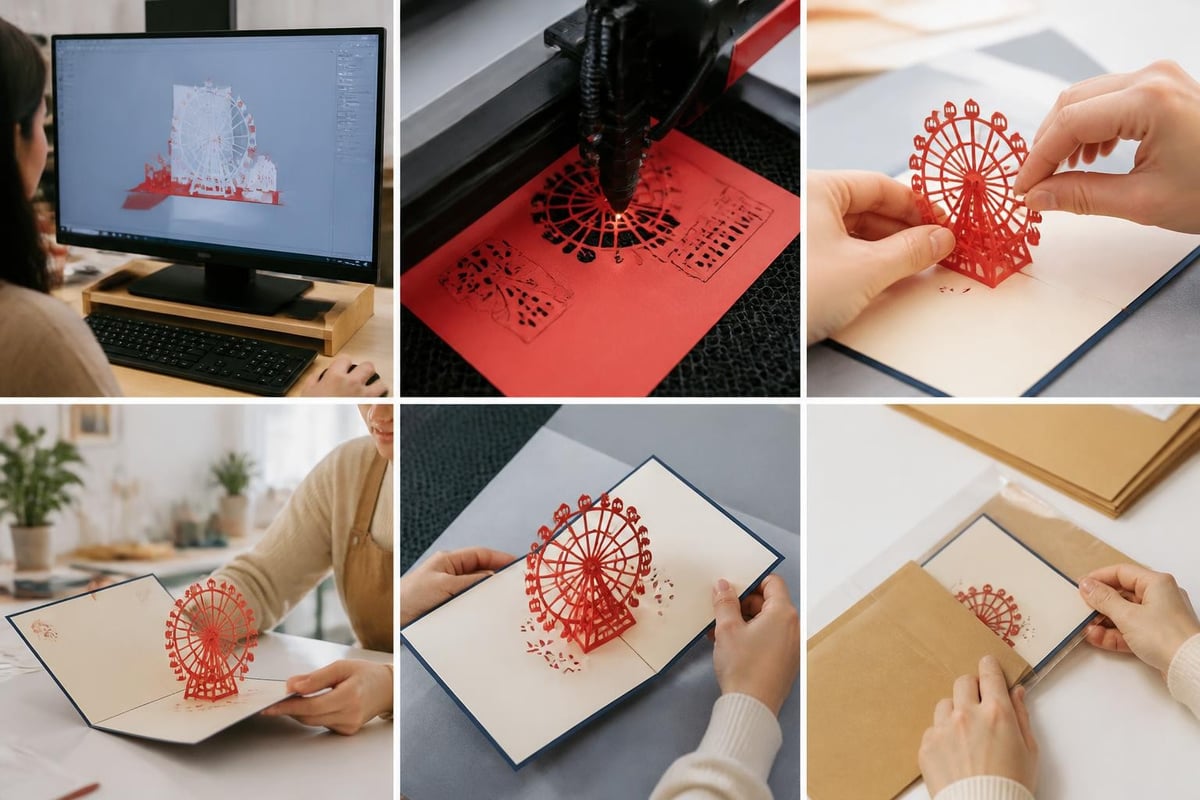
High-precision laser cutting technology enables the intricate details that make pop-up cards extraordinary. This technology cuts complex patterns with microscopic accuracy, creating clean edges and perfect alignment across multiple layers. The precision allows for designs that would be impossible through manual cutting methods.
Assembly remains largely a manual process requiring skilled artisans. These craftspeople understand paper behavior, folding techniques, and structural engineering principles. Their expertise ensures each card functions smoothly, with pop-up elements that deploy reliably and maintain their shape over time.
Quality control processes verify that every unique card meets established standards. Inspectors examine:
- Structural integrity of pop-up mechanisms
- Alignment of printed elements
- Consistency of colors and finishes
- Secure adhesive bonds
- Overall aesthetic presentation
Material Selection and Sourcing
Premium art paper forms the foundation of exceptional unique cards. This specialty paper offers superior color reproduction, appropriate thickness for structural stability, and pleasant tactile qualities. Manufacturers carefully source materials from reputable suppliers who maintain consistent quality standards.
Different card applications demand specific paper characteristics. Corporate cards might require heavier stock that conveys substance and durability. Wedding invitations often utilize textured papers that add visual interest and sophisticated feel. Understanding these nuances ensures optimal material selection for each project.
Customization Options and Design Flexibility
The power of unique cards lies in their adaptability to specific needs and preferences. Modern manufacturing capabilities support extensive customization while maintaining production efficiency.
OEM and ODM Design Services
Original Equipment Manufacturer (OEM) services allow businesses to produce cards based on existing designs with their branding. This option provides cost-effective solutions for companies seeking unique cards without extensive design investment.
Original Design Manufacturer (ODM) services take customization further, creating completely original designs tailored to specific requirements. These services suit clients with unique visions that cannot be accommodated through template modifications. ODM partnerships involve collaborative design processes where manufacturers translate concepts into functional, beautiful unique cards.
| Service Type | Design Ownership | Development Time | Ideal For |
|---|---|---|---|
| OEM | Manufacturer | 2-3 weeks | Budget-conscious projects, proven designs |
| ODM | Client | 4-8 weeks | Distinctive brand requirements, special events |
| Hybrid | Shared | 3-5 weeks | Modified existing designs with custom elements |
Scalability for Different Order Volumes
Unique cards accommodate both small, intimate orders and large-scale corporate requirements. Minimum order quantities vary by manufacturer and design complexity, but flexible producers work with clients across volume spectrums.
Large wholesale orders benefit from economies of scale, reducing per-unit costs significantly. Businesses planning ongoing card needs or annual events should consider bulk ordering options that provide cost advantages while ensuring consistent inventory availability.
Market Positioning and Competitive Advantages
Understanding how unique cards fit within broader market contexts helps businesses and individuals make informed purchasing decisions. The greeting card industry, as detailed by the Greeting Card Association, represents a substantial economic sector with diverse competitive dynamics.
Price Points and Value Propositions
Unique cards command premium pricing compared to standard greeting cards, reflecting their superior quality, customization capabilities, and memorable experiences. Price positioning varies based on complexity, materials, customization level, and order volume.
Value extends beyond physical components to encompass emotional impact and brand perception benefits. Recipients remember and appreciate unique cards long after generic alternatives are discarded. For businesses, this extended shelf life translates to prolonged brand exposure and enhanced customer relationships.
Differentiation in Crowded Markets
Markets saturated with digital communications create opportunities for unique cards to stand out. The physical nature of premium greeting cards provides tactile experiences that emails and social media posts cannot replicate. This differentiation becomes particularly valuable for milestone occasions where physical mementos hold special significance.
Future Directions for Unique Card Innovation
Looking ahead, the unique cards market shows strong growth potential driven by several converging trends. Emerging design approaches for 2026 and beyond suggest continued integration of traditional craftsmanship with technological enhancements.
Augmented Reality Integration
Augmented reality (AR) represents an exciting frontier for unique cards. Recipients could scan cards with smartphones to unlock digital content that complements physical designs. This technology enables video messages, animated sequences, or interactive games that extend card experiences beyond paper engineering alone.
Despite technological possibilities, successful integration maintains balance. AR features should enhance rather than overshadow the tactile card experience that remains central to unique cards' appeal.
Expanded Sensory Experiences
Future unique cards may incorporate additional sensory dimensions beyond visual and tactile elements. Scented papers that release fragrances when cards open could enhance themed designs. Textured surfaces providing varied tactile sensations might add another layer of engagement.
These innovations align with multisensory design principles that recognize the power of engaging multiple senses simultaneously. Cards that stimulate sight, touch, and smell create richer, more memorable experiences than single-sense alternatives.
Personalization at Scale
Advances in digital printing and variable data technologies enable mass customization previously impossible at commercial scales. Future unique cards might feature individual photographs, personalized illustrations, or custom-generated designs for each recipient within large orders.
This capability particularly benefits businesses sending cards to extensive customer bases. Companies could maintain the personal touch of unique cards while efficiently managing large-volume distributions.
Unique cards represent more than decorative paper products; they embody thoughtful communication, artistic expression, and meaningful human connection in an increasingly digital world. Whether celebrating personal milestones or enhancing corporate communications, distinctive card designs create lasting impressions that recipients treasure. The3dCards specializes in manufacturing premium pop-up greeting cards with custom and personalized designs that transform ordinary greetings into extraordinary experiences. Explore how professional craftsmanship and innovative design can elevate your next celebration or business event.