
In a world where professionals exchange hundreds of business cards annually, standing out requires more than quality paper stock and clever typography. A pop up business card transforms the traditional networking tool into an interactive experience that engages recipients through dimensional design. This innovative approach combines engineering precision with artistic creativity, producing cards that literally rise above the competition when opened. As businesses seek differentiation in crowded markets, three-dimensional cards offer a tangible way to communicate brand values, creativity, and attention to detail before a single word is spoken.
Mục Lục
- 1 Understanding the Pop Up Business Card Concept
- 2 Production Methods and Technical Considerations
- 3 Design Strategies That Create Impact
- 4 Cost Analysis and Budget Planning
- 5 Creative Inspiration and Reference Resources
- 6 Distribution and Usage Strategies
- 7 Measuring Effectiveness and ROI
- 8 Sustainability and Environmental Considerations
- 9 Integration with Broader Marketing Strategies
- 10 Future Trends in Dimensional Business Cards
Understanding the Pop Up Business Card Concept
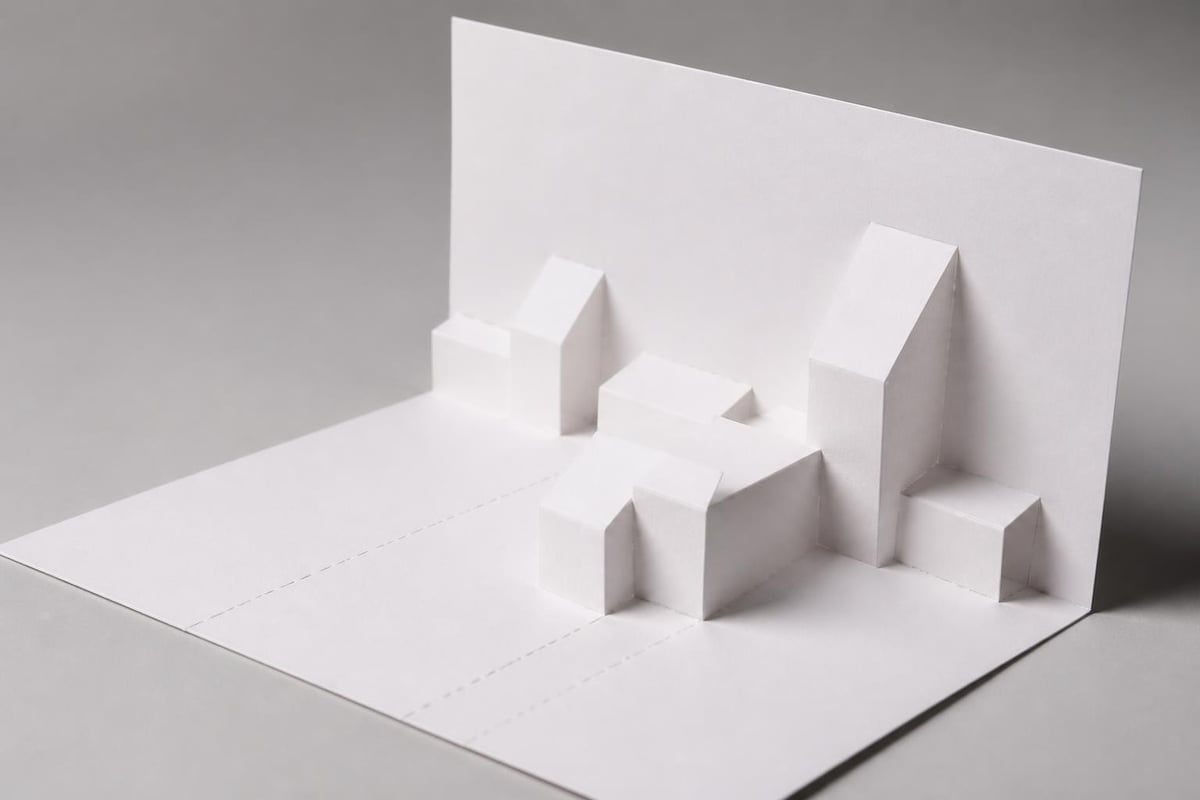
A pop up business card represents the intersection of traditional print marketing and interactive design. Unlike standard flat cards that convey information through text and graphics alone, these dimensional pieces incorporate paper engineering principles to create structures that emerge when the card is opened or unfolded.
The mechanics behind these cards vary in complexity. Simple designs might feature a single fold with a cut element that stands at a 90-degree angle. More sophisticated versions incorporate multiple layers, intricate die-cutting, and carefully calculated scoring patterns that enable elaborate three-dimensional scenes or architectural elements to emerge.
Core Design Principles
Structural integrity forms the foundation of any successful pop up business card. The paper weight must support the dimensional elements without collapsing, typically requiring stock between 250-350 gsm. Engineers must calculate stress points where folds meet cuts to prevent tearing during repeated opening and closing.
Visual hierarchy becomes even more critical in three-dimensional design. The pop-up element naturally draws attention, so designers must decide whether this feature showcases a logo, product representation, or abstract brand symbol. Supporting information like contact details and company names should complement rather than compete with the dimensional focal point.
Creative Bloq showcases examples where pop-up cards double as miniature portfolios, demonstrating how the format can serve multiple functions beyond simple contact information exchange.
Production Methods and Technical Considerations
Manufacturing a pop up business card requires specialized equipment and expertise that extends beyond standard commercial printing capabilities. The production process involves multiple stages, each demanding precision to ensure consistent results across large print runs.
Printing Techniques
| Method | Best For | Advantages | Limitations |
|---|---|---|---|
| Offset Lithography | Large quantities (1,000+) | Color accuracy, cost-effective at scale | High setup costs for small runs |
| Digital Printing | Small to medium runs | Quick turnaround, variable data capability | Higher per-unit cost, limited stock options |
| Letterpress | Premium artisan cards | Tactile impression, luxury feel | Expensive, time-intensive, limited colors |
| Screen Printing | Specialty inks/finishes | Metallic and UV effects possible | Not ideal for fine detail work |
The printing method selection significantly impacts both aesthetic outcome and budget allocation. Offset lithography remains the industry standard for orders exceeding 1,000 units, offering superior color reproduction and cost efficiency at volume.
Die-Cutting and Assembly
Die-cutting creates the intricate shapes and patterns that enable pop-up functionality. Custom steel-rule dies are manufactured based on precise digital templates, with tolerances measured in fractions of millimeters. The die-cutting process must account for paper grain direction, as cutting against the grain increases the risk of tearing.
Assembly requirements vary by design complexity:
- Single-fold designs with one pop-up element typically require no hand assembly
- Multi-layer cards with multiple dimensional features often need manual gluing
- Complex architectural designs may involve 5-7 separate assembly steps per card
- Quality control checks ensure each card opens smoothly without binding
When exploring comprehensive production guides, professionals discover that layout and imposition planning prevents costly errors before printing begins.
Design Strategies That Create Impact
Effective pop up business card design balances novelty with functionality. The dimensional element should reinforce brand identity rather than serve as mere decoration. Strategic designers use the pop-up feature to communicate core business attributes or showcase specific capabilities.
Industry-Specific Applications
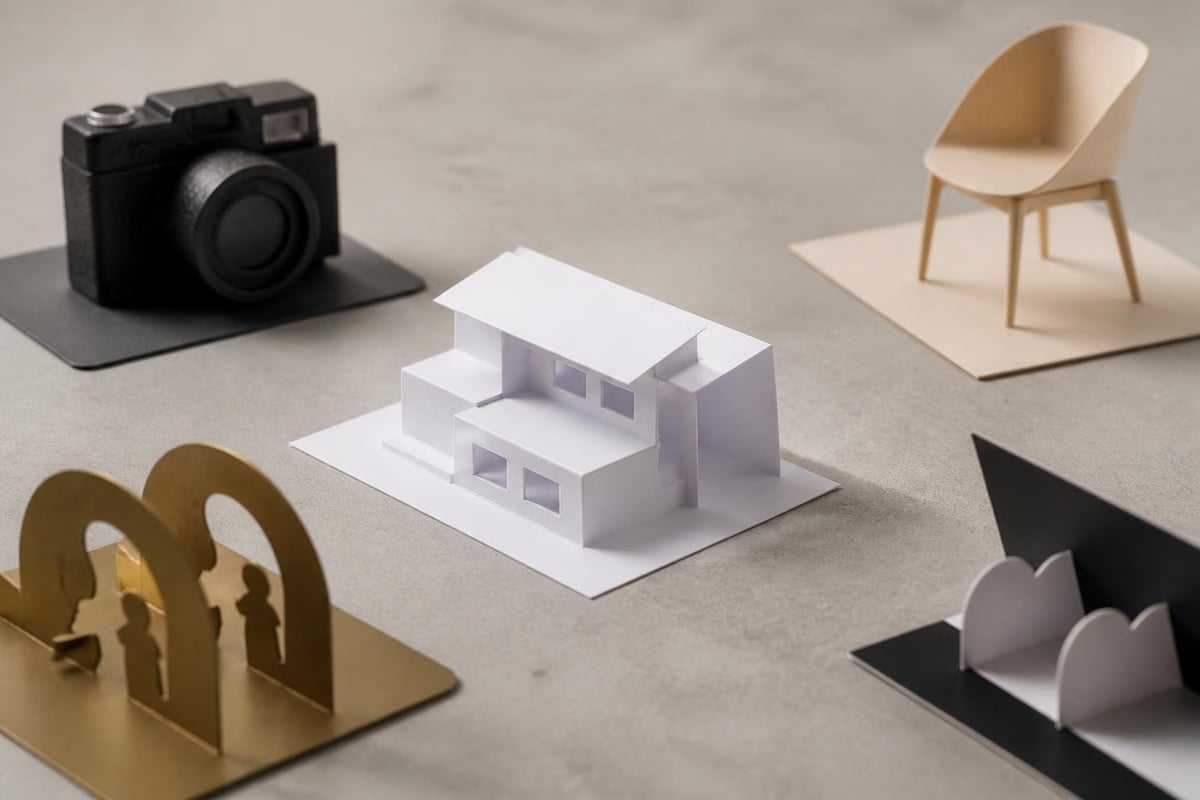
Architects and real estate professionals often incorporate miniature building facades or floor plan elements that demonstrate spatial design expertise. A card revealing a tiny house structure communicates professional focus instantly.
Event planners might feature pop-up stage designs, venue layouts, or celebration symbols like champagne bottles or party decorations. These cards themselves become conversation starters at networking events.
Product designers and manufacturers can showcase scaled-down versions of their signature products. A furniture designer's card featuring a tiny chair that pops up demonstrates both creativity and manufacturing precision.
Typography and Information Hierarchy
Three-dimensional elements command attention, requiring careful planning for text placement. Contact information should remain easily readable when the card is fully opened, avoiding placement on surfaces that angle away from the viewer's line of sight.
Font selection for pop-up cards typically favors:
- Sans-serif typefaces for clean, modern aesthetics
- Medium to bold weights that maintain legibility at small sizes
- Adequate spacing between characters to prevent visual crowding
- Contrast ratios ensuring text stands out against background colors
Digital contact integration has become standard practice. QR codes linking to digital portfolios or vCards enable recipients to save contact information instantly, bridging the physical-digital divide.
Cost Analysis and Budget Planning
Implementing a pop up business card strategy requires realistic budget expectations. These specialized items command premium pricing compared to standard flat cards due to complex production requirements and higher material costs.
Price Point Factors
Quantity ordered represents the most significant cost variable. Unit prices decrease substantially as order volumes increase:
- 100 cards: $8-15 per card
- 500 cards: $4-7 per card
- 1,000 cards: $2.50-4.50 per card
- 5,000 cards: $1.25-2.50 per card
Design complexity directly impacts production costs. Single-fold cards with one pop-up element cost significantly less than multi-layer designs requiring hand assembly. Each additional fold, glue point, or dimensional feature adds labor time and material expense.
Material choices affect both cost and perceived quality. Premium art papers, specialty coatings, and metallic foils elevate production expenses but communicate brand sophistication. Businesses must balance budget constraints against desired impression impact.
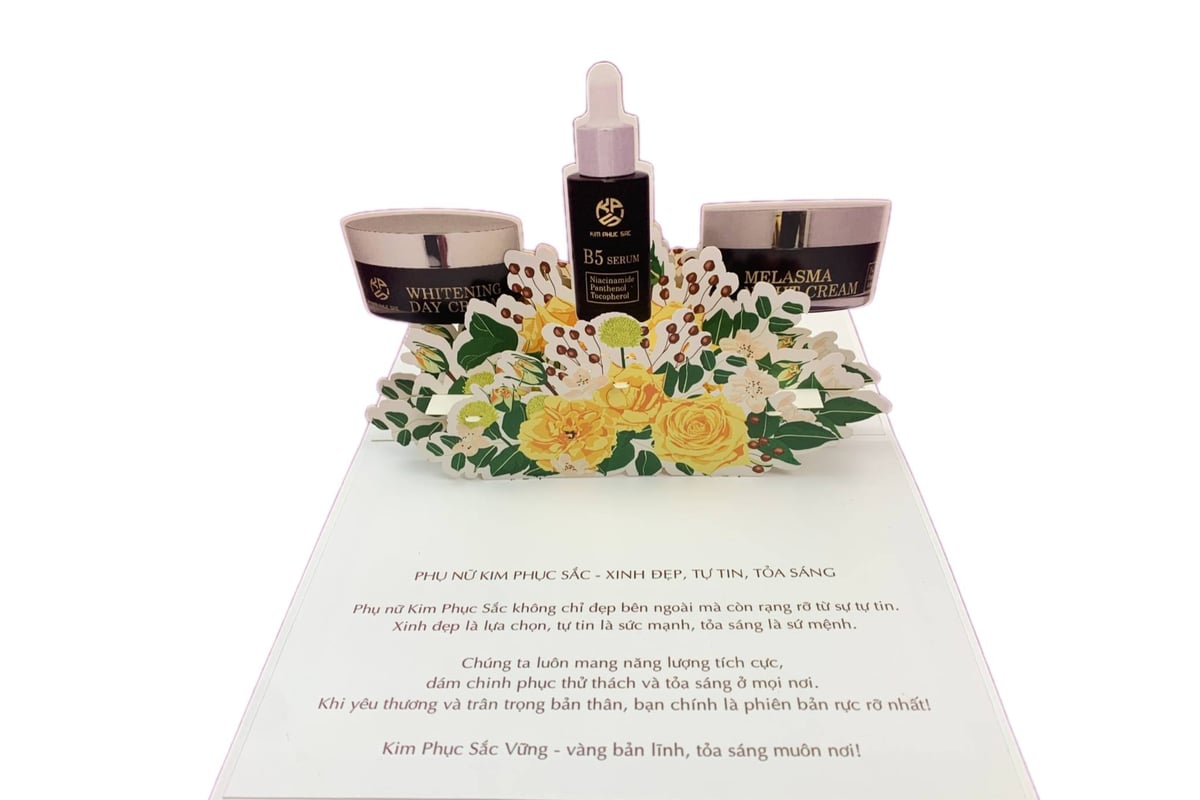
For organizations seeking to make memorable first impressions without breaking budgets, 3D pop-up invitations offer a luxurious printed material that helps events and brands stand out from the very first touchpoint.
Creative Inspiration and Reference Resources
Designers seeking fresh perspectives on pop up business card concepts can explore curated galleries showcasing innovative approaches. Dribbble’s extensive collection features hundreds of pop-up card designs from creative professionals worldwide, offering visual inspiration spanning minimalist to maximalist aesthetics.
Notable Design Examples
The 3D pop-up tennis court business card demonstrates how niche professionals can incorporate sport-specific elements into networking materials. This card features a miniature tennis court that springs to life, instantly communicating the recipient's industry focus.
Characteristics of memorable designs include:
- Clear connection between pop-up element and professional identity
- Smooth mechanical action without sticking or tearing
- Durable construction withstanding multiple open/close cycles
- Compact folded size fitting standard wallets or cardholders
- Unexpected elements that delight while maintaining professionalism
ZenBusiness showcases diverse examples demonstrating how creative professionals across industries have adapted pop-up formats to reflect unique brand personalities.
Distribution and Usage Strategies
Producing exceptional pop up business cards represents only half the equation. Strategic distribution maximizes return on investment by ensuring these premium materials reach high-value contacts in appropriate contexts.
Optimal Distribution Scenarios
Trade shows and conferences provide ideal environments for pop-up card distribution. Recipients have time to appreciate the dimensional design and are actively collecting memorable materials from multiple vendors. The novelty factor helps your card avoid immediate disposal.
Client meetings and pitches benefit from pop-up cards as leave-behind materials. After presentations conclude, a dimensional card serves as a physical reminder of your conversation and capabilities.
Selective distribution proves more effective than mass distribution. Given higher per-unit costs, these cards should reach decision-makers, potential high-value clients, and strategic partners rather than general attendees at large events.
Packaging Considerations
Protecting pop up business cards during transport requires thoughtful packaging:
- Individual sleeves prevent cards from opening prematurely in pockets or bags
- Rigid card cases protect dimensional elements from crushing
- Small presentation boxes elevate perceived value for important prospects
- Clear instruction cards demonstrate opening mechanism if not immediately obvious
Measuring Effectiveness and ROI
Quantifying the impact of a pop up business card investment requires establishing clear metrics before distribution begins. Unlike digital marketing channels with built-in analytics, physical networking tools demand creative measurement approaches.
Tracking Methods
QR code analytics provide concrete data on engagement rates. Unique codes on each card batch reveal how many recipients scanned for additional information, offering insights into design effectiveness and recipient interest levels.
Follow-up surveys of new contacts acquired through cards can assess memorability. Questions about what they remember from initial meetings often reveal whether the card made a lasting impression.
Conversion tracking links card distribution to tangible business outcomes:
- Number of follow-up meetings scheduled
- Proposal requests received within 30 days of distribution
- New client acquisitions attributed to trade show or networking event attendance
- Social media connections or website visits from card recipients
Long-Term Brand Building
Beyond immediate conversions, pop up business cards contribute to long-term brand perception. Recipients often display memorable cards on desks or share them with colleagues, extending visibility beyond the initial exchange. Some professionals report their cards becoming conversation pieces in recipient offices, generating referral opportunities months after initial distribution.
Sustainability and Environmental Considerations
As environmental consciousness shapes business decisions, professionals must consider the ecological impact of pop up business card production. The additional materials and manufacturing complexity raise valid questions about sustainability.
Paper sourcing forms the foundation of responsible production. FSC-certified papers from sustainably managed forests ensure card production doesn't contribute to deforestation. Recycled content papers offer another eco-friendly option, though they may limit color vibrancy and structural strength.
Production waste in die-cutting processes generates scrap material. Progressive manufacturers implement programs to recycle cutting waste or partner with artists who repurpose scraps into other products.
Longevity versus quantity presents a sustainability calculation. While pop-up cards use more material per unit than flat cards, their memorability often means recipients retain them longer rather than discarding them immediately. One high-quality dimensional card that remains in use for years may have less cumulative environmental impact than dozens of forgettable flat cards destined for trash bins.
Digital alternatives like NFC-enabled cards or augmented reality business cards offer low-material options for tech-savvy audiences, though they sacrifice the tactile experience that makes pop-up cards effective.
Integration with Broader Marketing Strategies
A pop up business card functions most effectively as one component within a cohesive brand identity system. Visual elements, color schemes, and messaging should align with other marketing materials to reinforce brand recognition.
Consistency Across Touchpoints
Visual language established in pop-up cards should echo website design, presentation templates, and packaging materials. If your card features a specific geometric pattern or color gradient, incorporating these elements across all brand touchpoints strengthens visual identity.
Messaging alignment ensures the impression created by your dimensional card matches the experience prospects encounter through other channels. A whimsical, playful pop-up design would create cognitive dissonance if your website and service delivery adopt a strictly corporate tone.
MOO’s inspiration gallery demonstrates how innovative businesses maintain design consistency while exploring creative formats across various print materials.
Future Trends in Dimensional Business Cards
The pop up business card category continues evolving as designers experiment with new materials, mechanisms, and hybrid approaches combining physical and digital elements.
Augmented reality integration represents an emerging trend. Cards featuring AR markers that trigger digital experiences when viewed through smartphone cameras blend tactile and virtual engagement. The physical pop-up serves as an anchor for expanded digital content.
Sustainable innovations in paper engineering explore new materials like mycelium-based papers and plantable seed papers that grow into flowers after use. These eco-conscious approaches appeal to environmentally focused brands and clients.
Miniature mechanism incorporation pushes engineering boundaries. Cards featuring tiny working gears, sliders, or rotating elements transform business cards into kinetic sculptures that demonstrate mechanical design expertise.
Research into generative AI applications in card design explores how artificial intelligence might accelerate the design process, transforming conceptual ideas into producible templates faster than traditional manual design methods.
Pop up business cards represent a strategic investment in memorable first impressions, combining engineering precision with creative design to elevate standard networking materials into three-dimensional brand experiences. By carefully considering design complexity, production methods, distribution strategies, and sustainability factors, professionals can leverage these innovative tools to stand out in competitive markets. The3dCards specializes in transforming concepts into precision-engineered pop-up cards, offering custom design services and bulk manufacturing capabilities backed by years of paper engineering expertise and international quality standards.