
The art of personalized card design has evolved dramatically over the past decade, transforming from simple name additions to intricate, multi-dimensional creations that tell stories and evoke emotions. In 2026, brands and individuals alike recognize that a well-designed personalized card serves as both a communication tool and a tangible expression of thoughtfulness. Whether for corporate events, weddings, or personal celebrations, the demand for unique, custom-designed cards continues to grow as people seek meaningful ways to connect in an increasingly digital world.
Mục Lục
- 1 Understanding the Fundamentals of Personalized Card Design
- 2 Current Trends Shaping Personalized Card Design
- 3 Design Process and Workflow Optimization
- 4 Typography and Color Theory in Practice
- 5 Personalization Techniques and Variable Data
- 6 Cultural Considerations and Global Markets
- 7 Business Applications and ROI
- 8 Quality Control and Production Management
- 9 Emerging Technologies and Future Directions
Understanding the Fundamentals of Personalized Card Design
Personalized card design encompasses far more than adding a name to a template. It involves careful consideration of audience, occasion, messaging, and visual hierarchy to create something truly memorable. The foundation begins with understanding the recipient's preferences, the context of the occasion, and the emotional response you want to evoke.
Core Design Elements
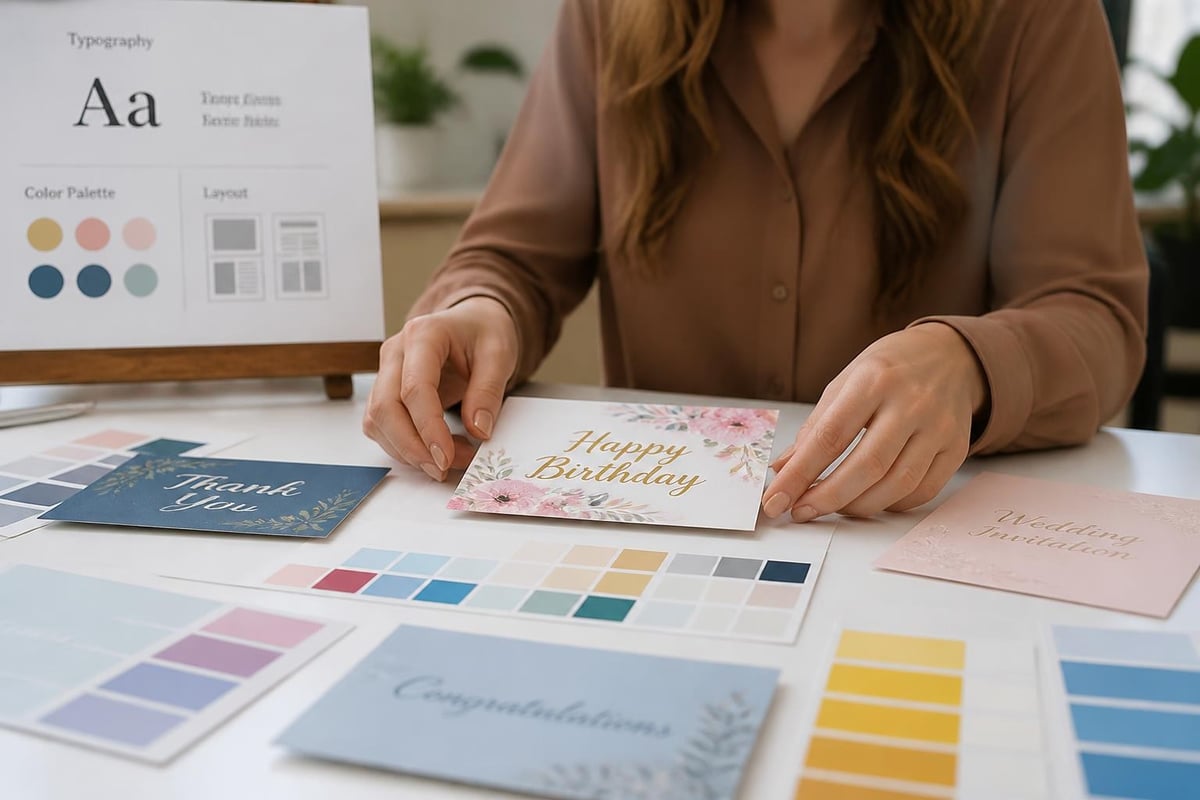
Every successful personalized card design balances several critical components. Typography sets the tone and ensures readability, while color schemes establish mood and brand alignment. Layout composition guides the eye and creates visual interest, and imagery or illustrations provide context and personality.
When approaching a new project, designers should consider these essential questions:
- What emotion should the card convey?
- Who is the target audience?
- What actions do you want the recipient to take?
- How will the card be presented or delivered?
- What physical constraints exist for production?
The answers shape every subsequent design decision, from paper stock selection to finishing techniques. Effective personalized thank-you cards demonstrate how emotional resonance drives design choices.
Material Selection and Production Considerations
The tactile experience of a personalized card design contributes significantly to its impact. In 2026, texture and warmth have emerged as dominant graphic design trends, influencing everything from paper selection to finishing techniques.
| Material Type | Best Use Cases | Key Benefits |
|---|---|---|
| Premium Art Paper | High-end invitations, corporate cards | Superior color reproduction, luxurious feel |
| Textured Cardstock | Wedding invitations, milestone celebrations | Tactile engagement, memorable experience |
| Eco-friendly Materials | Sustainable brands, conscious consumers | Environmental responsibility, natural aesthetic |
| Specialty Papers | Artistic projects, limited editions | Unique visual effects, exclusivity |
Modern manufacturing techniques allow designers to experiment with materials previously considered impractical. Laser cutting technology enables intricate patterns and shapes, while digital printing ensures color accuracy across large production runs.
Current Trends Shaping Personalized Card Design
The personalized card design landscape in 2026 reflects broader cultural shifts toward authenticity, sustainability, and experiential engagement. Designers who stay ahead of these trends create work that resonates more deeply with contemporary audiences.
Three-Dimensional and Interactive Elements
Pop-up mechanisms and three-dimensional elements have become increasingly sophisticated, transforming static cards into memorable experiences. These designs create surprise and delight when opened, making them particularly effective for high-stakes occasions like corporate events or milestone celebrations. For businesses looking to make lasting impressions, custom pop-up invitation design and production transforms standard greetings into architectural masterpieces that reflect brand values and event significance.
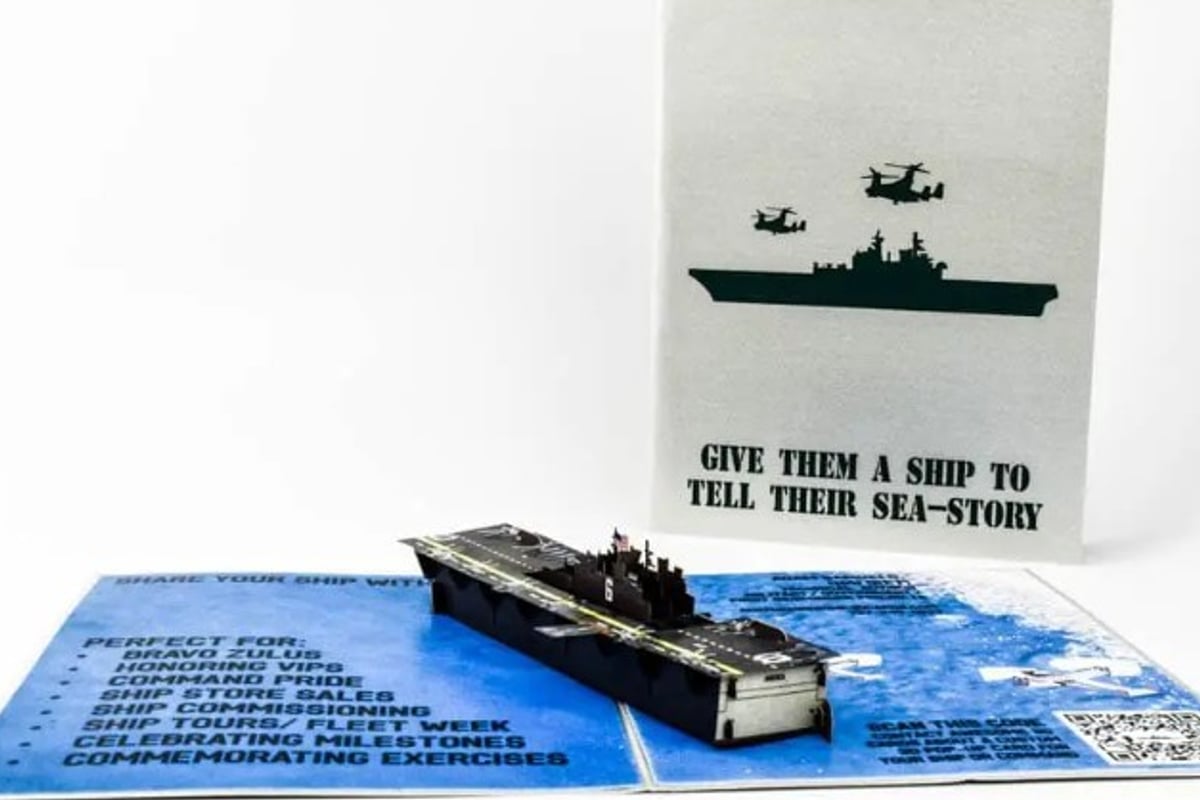
The integration of movement and depth adds theatrical quality to personalized card design. Recipients don't just read these cards; they experience them. This multisensory engagement creates stronger emotional connections and improves message retention.
Sustainable and Ethical Design Practices
Environmental consciousness has moved from niche concern to mainstream expectation. Modern personalized card design increasingly incorporates sustainable materials, eco-friendly inks, and recyclable components without compromising aesthetic quality.
Key sustainable practices include:
- Sourcing FSC-certified papers from responsibly managed forests
- Utilizing vegetable-based inks that minimize environmental impact
- Designing for minimal waste through efficient layout planning
- Choosing local production to reduce transportation emissions
- Incorporating seed paper that recipients can plant after use
These choices appeal to environmentally conscious consumers while demonstrating corporate social responsibility. Brands that communicate their sustainable practices through card design strengthen their market position.
Design Process and Workflow Optimization
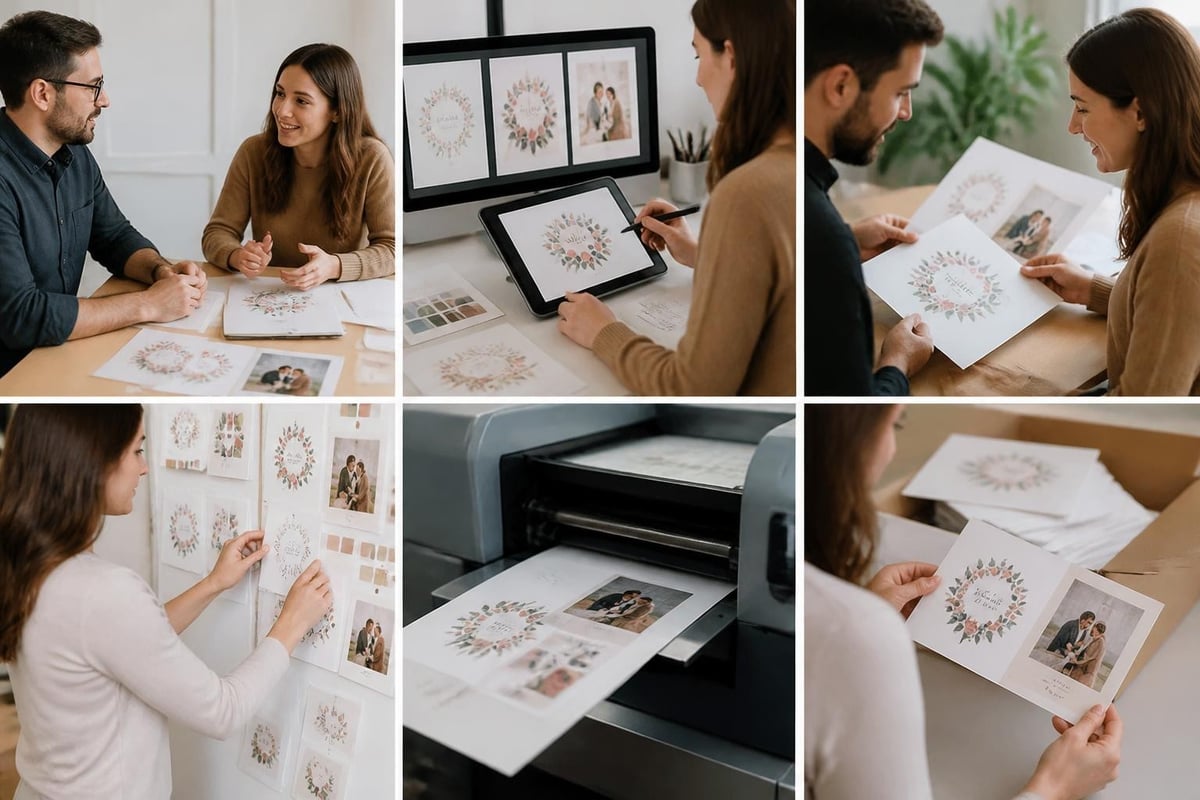
Successful personalized card design follows a structured process that balances creativity with efficiency. Whether producing a single custom piece or managing bulk orders, workflow optimization ensures consistent quality and timely delivery.
Step-by-Step Design Development
- Discovery and research: Gather information about the occasion, recipient, and desired outcomes
- Concept development: Create initial sketches exploring different creative directions
- Design refinement: Develop selected concepts with attention to typography, color, and layout
- Client review and revision: Present designs and incorporate feedback systematically
- Production preparation: Prepare files for manufacturing with appropriate specifications
- Quality control: Review proofs and samples before full production
This methodical approach reduces errors and ensures alignment between vision and final product. Comprehensive guides on custom notecard design emphasize the importance of purpose determination early in the process.
Technology and Tools
Modern personalized card design leverages sophisticated software and platforms that streamline creation while expanding creative possibilities. Professional designers typically employ a combination of tools:
| Tool Category | Primary Functions | Popular Options |
|---|---|---|
| Vector Graphics | Logo creation, scalable designs | Adobe Illustrator, Affinity Designer |
| Raster Editing | Photo manipulation, textures | Adobe Photoshop, GIMP |
| Layout Software | Multi-page designs, templates | InDesign, QuarkXPress |
| 3D Modeling | Pop-up structures, prototyping | Blender, SketchUp |
| Collaboration Platforms | Client feedback, version control | Figma, Canva Pro |
The right tool selection depends on project complexity, team size, and production methods. Many designers maintain proficiency across multiple platforms to adapt to varying project requirements.
Typography and Color Theory in Practice
Typography and color represent two of the most powerful tools in personalized card design. Their effective application can elevate a simple concept into an unforgettable visual experience.
Font Selection Strategy
Typography communicates personality before words are even read. Serif fonts suggest tradition and formality, making them appropriate for wedding invitations and corporate communications. Sans-serif fonts project modernity and clarity, ideal for contemporary events and tech-focused brands. Script fonts convey elegance and intimacy, perfect for personal celebrations.
Consider these guidelines when selecting fonts:
- Limit variety: Use no more than two or three font families per design
- Ensure readability: Test legibility at actual card size, not just on screen
- Match occasion: Align font personality with event formality and context
- Consider production: Verify fonts reproduce well with chosen printing method
- Think hierarchy: Use size, weight, and style to guide attention
The principles of designing personalized greeting cards emphasize how font selection establishes immediate emotional tone.
Color Psychology and Application
Color choices trigger emotional responses and cultural associations. Personalized card design must account for these psychological factors while maintaining brand consistency and aesthetic appeal.
Warm colors (reds, oranges, yellows) energize and excite, making them suitable for celebratory occasions. Cool colors (blues, greens, purples) calm and reassure, often used for sympathy cards or professional communications. Neutral colors (grays, beiges, whites) provide sophistication and flexibility, serving as excellent backgrounds for bold accents.
Strategic color application involves:
- Establishing a primary color that dominates the design
- Selecting complementary accent colors for highlights and emphasis
- Incorporating neutral tones to prevent visual overwhelm
- Testing color combinations for accessibility and readability
- Considering printing limitations and color accuracy
Personalization Techniques and Variable Data
The technical aspect of personalized card design has advanced significantly with variable data printing technology. This capability allows designers to customize individual cards within large production runs without sacrificing efficiency.
Levels of Personalization
Basic personalization includes recipient names and simple text variations. Intermediate personalization incorporates customized imagery, varied color schemes, or occasion-specific elements. Advanced personalization creates entirely unique designs for each recipient based on data-driven insights and preferences.
Modern production systems can handle complex personalization scenarios:
- Individual names with proper capitalization and special characters
- Custom messages tailored to recipient relationships
- Variable imagery based on interests or demographics
- Location-specific references or regional variations
- Date-sensitive content for timely relevance
For businesses managing corporate gifting programs or large-scale events, understanding these capabilities transforms how they approach personalized pop-up card projects.
Data Management Best Practices
Successful personalized card design at scale requires meticulous data organization. Errors in personalization undermine the entire concept, making attention to detail paramount.
| Data Element | Common Issues | Prevention Strategy |
|---|---|---|
| Names | Spelling errors, formatting | Double verification, standardized entry |
| Addresses | Incorrect formatting, outdated | Regular database updates, validation tools |
| Dates | Timezone confusion, calendar errors | Automated date formatting, manual review |
| Custom Messages | Character limits, inappropriate content | Field restrictions, approval workflows |
Clean data enables seamless production and ensures each recipient receives exactly the personalized experience intended. Investment in data management infrastructure pays dividends through reduced errors and enhanced customer satisfaction.
Cultural Considerations and Global Markets
As personalized card design reaches global audiences, cultural sensitivity becomes essential. What resonates in one market may confuse or offend in another, requiring designers to develop cultural fluency.
Regional Design Preferences
Western markets generally prefer minimalist aesthetics with generous white space and restrained color palettes. Asian markets often embrace bolder colors, intricate patterns, and symbolic imagery. Middle Eastern markets favor ornate designs with geometric patterns and metallic accents. Understanding these preferences allows designers to create culturally appropriate personalized card designs.
Color symbolism varies dramatically across cultures. White represents purity in Western contexts but mourning in many Asian cultures. Red signifies danger or passion in some regions while representing luck and prosperity in others. Research into target market preferences prevents unintentional miscommunication.
Language and Typography Challenges
Multilingual personalized card design presents unique challenges. Different languages require varying amounts of space, use distinct character sets, and read in different directions. Arabic and Hebrew read right-to-left, requiring complete layout reconfiguration. Asian languages often need significantly more vertical space than Roman alphabets.
Professional designers working across markets must:
- Collaborate with native speakers for translation accuracy
- Adjust layout dynamically based on text length in different languages
- Select appropriate fonts that support required character sets
- Consider reading direction in composition and hierarchy
- Test thoroughly with target market reviewers
Business Applications and ROI
Personalized card design delivers measurable business value across numerous applications. Forward-thinking companies recognize cards as touchpoints in comprehensive customer experience strategies.
Corporate Event Invitations
High-profile corporate events demand invitations that reflect organizational prestige. Personalized card design for these occasions combines branding elements with sophisticated aesthetics to create anticipation and set expectations. When invitations arrive as dimensional artworks rather than flat cardstock, recipients perceive increased event importance and exclusivity.
The trends shaping wedding planning in 2025 emphasize personalized stationery as central to creating cohesive event experiences, a principle equally applicable to corporate contexts.
Customer Appreciation Programs
Strategic customer appreciation extends beyond transactional relationships into genuine connection. Personalized thank-you cards acknowledge individual contributions and reinforce brand loyalty. The physical nature of cards creates lasting impressions that digital communications cannot match.
Effective appreciation programs incorporate:
- Timing cards to coincide with purchase anniversaries or milestones
- Referencing specific products or services the customer has used
- Including handwritten notes from leadership when appropriate
- Designing cards that recipients want to display rather than discard
- Following up to measure impact on retention and satisfaction
Marketing Campaign Integration
Personalized card design amplifies marketing campaigns by adding tangible components to digital strategies. Direct mail campaigns featuring custom-designed cards achieve higher response rates than generic promotional materials. The unexpected arrival of a thoughtfully designed card cuts through digital noise and commands attention.
Quality Control and Production Management
Excellence in personalized card design requires rigorous quality control throughout production. Small errors multiply across large runs, making prevention systems essential.
Pre-Production Verification
Before manufacturing begins, comprehensive reviews catch issues while corrections remain inexpensive. This includes:
- Proofreading all text multiple times by different reviewers
- Verifying variable data merges correctly with design templates
- Checking color accuracy against brand standards and proofs
- Confirming paper stock meets specifications for intended techniques
- Testing folding and assembly procedures for complex designs
Many manufacturers provide digital proofs or physical samples for approval. Taking time to review these thoroughly prevents costly mistakes and delays.
Post-Production Inspection
Even with careful planning, production anomalies occur. Systematic inspection processes identify problems before cards ship to recipients. Quality control personnel should examine random samples from each production batch for:
- Color consistency and registration accuracy
- Proper cutting and trimming with clean edges
- Correct assembly of multi-part or dimensional elements
- Appropriate application of special finishes or coatings
- Accurate variable data insertion without errors
Establishing clear quality standards and rejection criteria ensures consistent output that reflects well on both designer and client.
Emerging Technologies and Future Directions
The personalized card design field continues evolving with technological advancement. Staying informed about emerging capabilities positions designers as innovation leaders.
Augmented Reality Integration
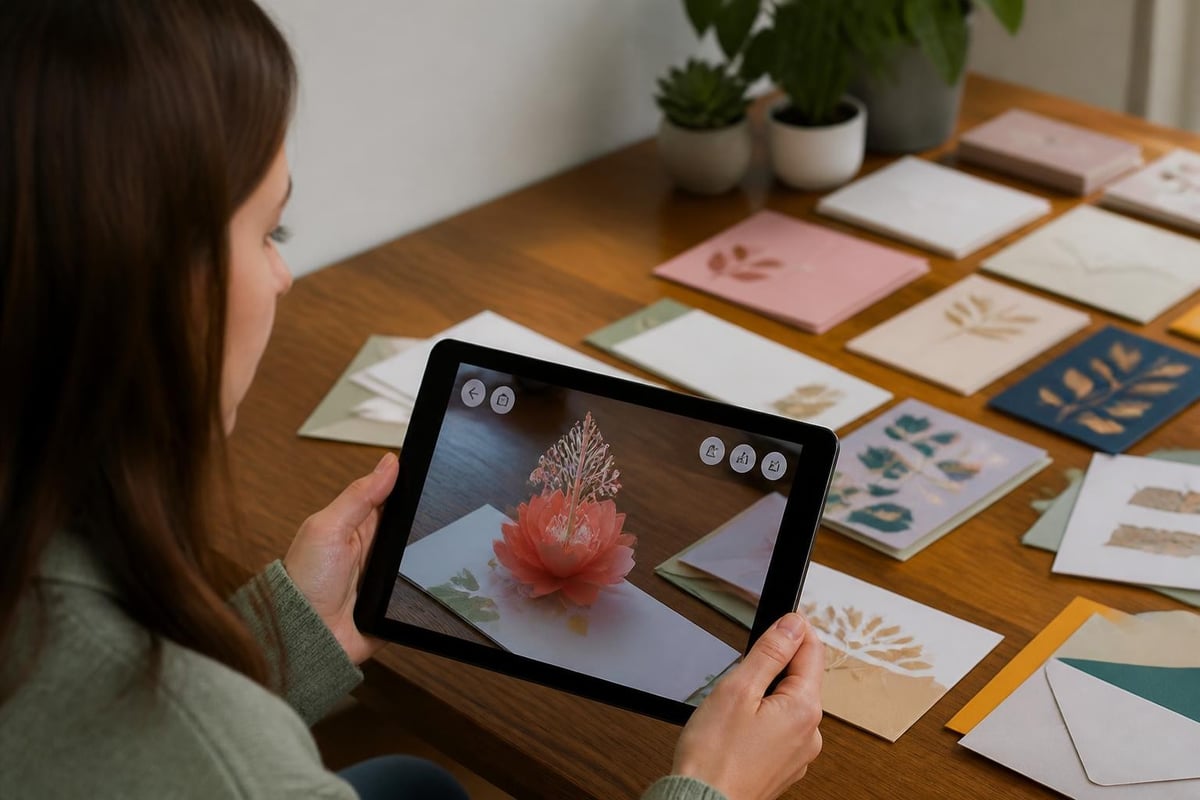
Augmented reality features in playing cards demonstrate how digital overlays enhance physical products. Similar technology applies to greeting cards, enabling recipients to scan cards with smartphones and view animated content, video messages, or interactive experiences.
This convergence of physical and digital creates new storytelling opportunities while maintaining the tactile satisfaction of traditional cards. Designers must consider how static designs translate into dynamic AR experiences.
AI-Assisted Design Tools
Artificial intelligence increasingly supports personalized card design workflows. AI-powered platforms for custom thank-you cards demonstrate how automation accelerates initial concept generation while preserving human creative oversight.
AI excels at:
- Generating layout variations based on content requirements
- Suggesting color palettes aligned with brand guidelines
- Optimizing typography for readability and visual impact
- Creating personalized design variations at scale
- Predicting design performance based on historical data
However, human judgment remains essential for ensuring emotional resonance and cultural appropriateness. The most effective approach combines AI efficiency with human creativity and expertise.
Mastering personalized card design requires balancing artistic vision with technical precision, cultural awareness with brand consistency, and creative ambition with production realities. As physical touchpoints become increasingly valuable in our digital age, well-designed personalized cards create memorable moments that strengthen relationships and drive business results. Whether you're planning a corporate event, launching a customer appreciation program, or celebrating personal milestones, The3dCards brings decades of manufacturing expertise and artistic craftsmanship to transform your vision into dimensional works of art that recipients treasure long after the occasion passes.