
The wholesale greeting card market continues to thrive as consumers seek meaningful ways to connect in an increasingly digital world. Whether you're launching a retail store, expanding an existing gift shop, or exploring e-commerce opportunities, understanding the greetings cards wholesale industry is essential for building a profitable business. This comprehensive guide explores sourcing strategies, pricing structures, quality considerations, and emerging trends that will position your business for success in 2026.
Mục Lục
- 1 Understanding the Greetings Cards Wholesale Market
- 2 Types of Greetings Cards Wholesale Suppliers
- 3 Quality Assessment for Wholesale Orders
- 4 Pricing Strategies and Profit Margins
- 5 Sourcing International Greetings Cards Wholesale
- 6 Trends Shaping Wholesale Greeting Cards in 2026
- 7 Building Supplier Relationships
- 8 Specialty Cards: The Pop-Up Advantage
- 9 Seasonal Planning and Inventory Management
- 10 Distribution Channels and Sales Strategies
- 11 Quality Control and Customer Satisfaction
- 12 Customization and Private Label Options
- 13 Compliance and Legal Considerations
- 14 Packaging and Presentation
- 15 Building a Competitive Advantage
Understanding the Greetings Cards Wholesale Market
The greeting card industry represents a substantial market segment, with U.S. shoppers purchasing 6.5 billion greeting cards annually. This remarkable volume demonstrates the enduring appeal of physical cards despite digital alternatives.
Wholesale buyers play a critical role in this ecosystem, connecting manufacturers with retailers and consumers. When you purchase greetings cards wholesale, you're accessing inventory at significantly reduced per-unit costs, enabling competitive retail pricing while maintaining healthy profit margins.
Market Size and Growth Projections
The global greeting cards industry shows steady growth, with digital segments gaining increasing significance alongside traditional printed cards. However, the tactile experience and emotional value of physical cards remain irreplaceable for most consumers.
Key market characteristics include:
- Seasonal demand peaks during major holidays and events
- Year-round baseline demand for birthdays and everyday occasions
- Growing interest in premium, artisanal, and specialty cards
- Increasing demand for personalized and customizable options
Understanding these dynamics helps wholesale buyers make informed purchasing decisions that align with consumer preferences and seasonal patterns.

Types of Greetings Cards Wholesale Suppliers
Selecting the right supplier significantly impacts your product quality, pricing, and customer satisfaction. The greetings cards wholesale landscape includes several distinct supplier categories, each offering unique advantages.
| Supplier Type | Advantages | Considerations |
|---|---|---|
| Direct Manufacturers | Lowest pricing, customization options, quality control | Minimum order quantities, longer lead times |
| Wholesale Distributors | Variety of brands, smaller minimums, faster delivery | Higher per-unit costs, limited customization |
| Import Specialists | Unique designs, competitive pricing, international variety | Shipping complexities, quality verification |
| Trade-Only Platforms | Curated selections, established terms, buyer protections | Membership fees, less direct communication |
Manufacturer Direct Relationships
Working directly with manufacturers offers the best pricing structure for greetings cards wholesale purchases. Manufacturers typically require larger minimum orders but provide significant cost savings that improve your retail margins.
Vietnam has emerged as a leading manufacturing hub for premium pop-up greeting cards. These facilities combine traditional craftsmanship with modern production techniques, creating unique products that stand out in competitive retail environments. The Pop up greeting card factory in Vietnam supplies large quantities of high-quality pop-up cards to hundreds of businesses in major markets such as the US, Europe, and Australia, utilizing high-precision laser cutting technology and skilled artisans for assembly.
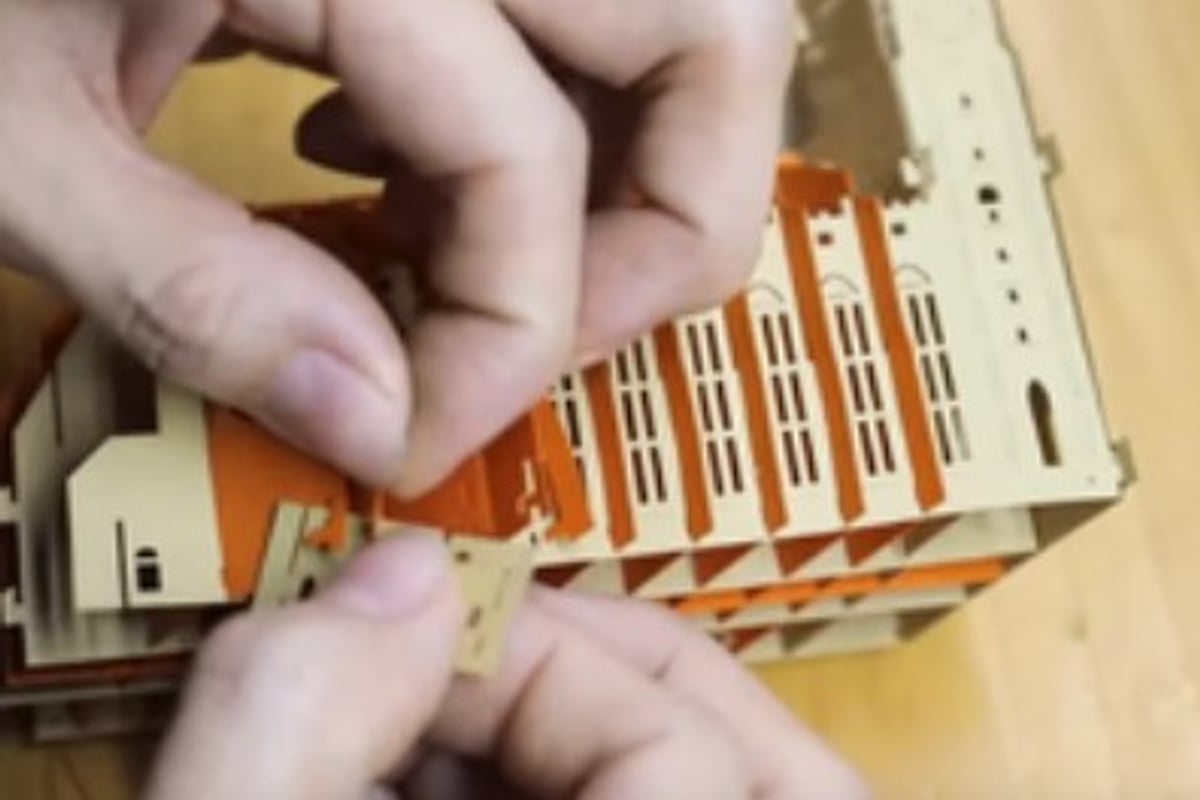
Manufacturing partnerships typically include:
- Custom design capabilities
- Private label or white-label options
- Flexible production scheduling
- Quality assurance programs
- Competitive bulk pricing structures
Quality Assessment for Wholesale Orders
Quality consistency separates successful wholesale programs from problematic ones. Before committing to large orders, establish clear quality benchmarks and verification processes.
Essential Quality Checkpoints
Evaluating greetings cards wholesale samples requires attention to multiple factors. Start with paper quality, as this directly impacts the card's perceived value and durability. Premium art paper provides better color reproduction, appropriate weight, and tactile appeal.
Examine these critical elements:
- Paper weight and texture: 250-350 GSM cardstock for greeting cards
- Print quality: Sharp images, accurate colors, proper registration
- Envelope compatibility: Proper sizing and professional presentation
- Structural integrity: Clean folds, secure adhesives, lasting construction
- Finishing details: Protective coatings, embellishments, special features
Pop-up cards require additional scrutiny. The mechanism must function smoothly through repeated opening and closing cycles. Assembly quality determines whether the pop-up element maintains its shape during shipping and display.
Sample Testing Protocol
Request comprehensive samples before placing substantial orders. Test samples should represent the full range of designs, finishes, and complexity levels you plan to stock.
Open and close pop-up samples at least twenty times to verify durability. Check for paper fatigue, adhesive failure, or structural weakening. Store samples in various conditions to assess how temperature and humidity affect the products.

Pricing Strategies and Profit Margins
Understanding pricing structures is fundamental to successful greetings cards wholesale operations. Multiple factors influence wholesale costs, and savvy buyers leverage these variables to optimize their investment.
Wholesale Cost Factors
Manufacturers and distributors calculate prices based on production costs, order volume, customization level, and shipping requirements. Simple folded cards with standard printing cost significantly less than intricate pop-up designs with specialized finishes.
Volume-based pricing typically follows these patterns:
| Order Quantity | Price Per Unit | Typical Application |
|---|---|---|
| 100-500 units | $0.80-$1.50 | Initial testing, boutique retailers |
| 500-2,000 units | $0.50-$0.90 | Small retail chains, online stores |
| 2,000-10,000 units | $0.30-$0.60 | Regional retailers, established businesses |
| 10,000+ units | $0.20-$0.40 | National chains, major distributors |
These ranges vary based on design complexity, production techniques, and supplier location. Pop-up cards command premium pricing due to their labor-intensive assembly and specialized materials.
Calculating Retail Markup
Standard retail markup for greeting cards ranges from 100% to 300%, depending on the card category and retail environment. Premium specialty cards, including elaborate pop-up designs, support higher markups due to their unique value proposition.
Calculate your target retail price by considering competitive positioning, store overhead, and desired profit margins. A card purchased wholesale at $0.50 might retail between $2.99 and $4.99, depending on design quality and market positioning.
Sourcing International Greetings Cards Wholesale
International sourcing opens access to unique designs, competitive pricing, and innovative manufacturing techniques. Asian manufacturers, particularly those in Vietnam, offer exceptional value for pop-up and specialty cards.
Working with overseas suppliers requires additional planning but delivers substantial benefits. Industry trends and statistical data show increasing globalization in the greeting card supply chain.
International sourcing considerations include:
- Communication protocols: Establish clear channels and response expectations
- Payment terms: Navigate letters of credit, wire transfers, and payment platforms
- Shipping logistics: Choose between air freight and ocean shipping based on timeline
- Import documentation: Understand customs requirements and compliance
- Quality verification: Implement pre-shipment inspection programs
The time investment in developing international supplier relationships pays dividends through lower unit costs and access to distinctive product lines unavailable from domestic sources.
Managing Lead Times and Inventory
International greetings cards wholesale orders require longer planning horizons. Ocean shipping from Asia typically takes 25-40 days, while air freight reduces transit to 5-10 days at higher cost.
Plan seasonal purchases 3-4 months ahead to ensure inventory arrives before peak selling periods. Christmas cards should be ordered by August, Valentine's Day inventory by October, and graduation cards by January.
Trends Shaping Wholesale Greeting Cards in 2026
The greeting card industry evolves continuously, driven by consumer preferences, technological advances, and cultural shifts. Industry reports emphasize the continued strength of tangible, printed cards despite digital communication growth.
Emerging Design Preferences
Contemporary consumers seek greeting cards that transcend basic sentiment delivery. Three-dimensional pop-up designs create memorable experiences that flat cards cannot match. These engineered paper structures transform simple greetings into interactive art pieces.
Popular design trends include:
- Sustainable materials and eco-conscious production
- Minimalist aesthetics with bold typography
- Intricate pop-up mechanisms and paper engineering
- Personalization options for mass-produced designs
- Cultural diversity and inclusive representation
Pop-up cards particularly resonate with consumers seeking premium gifting options. A well-crafted flower pop up card creates a stunning visual impact when opened, making the greeting itself become part of the gift.
Technology Integration
Modern greetings cards wholesale suppliers leverage technology throughout production and distribution. Laser cutting enables precision detail in pop-up mechanisms previously impossible with manual cutting. Digital printing allows cost-effective short runs and customization.
Some suppliers now offer hybrid products combining physical cards with digital components like QR codes linking to video messages or augmented reality experiences. These innovations attract younger demographics while maintaining the tactile appeal traditional buyers value.
Building Supplier Relationships
Long-term success in greetings cards wholesale depends on cultivating strong supplier partnerships. These relationships provide competitive advantages beyond pricing, including priority production, flexible terms, and collaborative product development.
Establishing Partnership Foundations
Approach supplier relationships as mutually beneficial partnerships rather than transactional exchanges. Reliable buyers who communicate clearly, pay promptly, and provide feedback become valued customers receiving preferential treatment.
Strengthen supplier relationships through:
- Consistent communication and realistic expectations
- Timely payment and adherence to agreed terms
- Constructive feedback on product quality and performance
- Reasonable flexibility when production challenges arise
- Long-term commitment rather than constant supplier switching
Share sales data and market insights with suppliers. This information helps them understand your business needs and anticipate future requirements, improving their ability to serve you effectively.
Negotiating Better Terms
Strong relationships create opportunities for improved terms beyond initial agreements. After demonstrating reliability through several successful orders, discuss volume discounts, extended payment terms, or exclusive designs.
Manufacturers particularly value buyers who provide accurate forecasts, allowing better production planning. If you can commit to quarterly purchase schedules, suppliers often offer better pricing than sporadic, unpredictable orders.

Specialty Cards: The Pop-Up Advantage
Within the greetings cards wholesale market, pop-up cards represent a premium segment with exceptional growth potential. These three-dimensional creations command higher retail prices while delivering unforgettable customer experiences.
Understanding Pop-Up Card Value
Pop-up greeting cards combine artistic design with engineering precision. Each card contains carefully calculated folds, cuts, and attachments that create dimensional sculptures emerging from flat surfaces. This mechanical complexity justifies premium wholesale pricing while supporting substantial retail markups.
Customers purchasing pop-up cards seek more than simple greetings. They're buying conversation pieces, keepsakes, and artistic expressions that recipients often display rather than discard. This perceived value allows retailers to position these products at price points 2-3 times higher than standard cards.
Market Positioning for Pop-Up Cards
Successful retailers position pop-up cards as special occasion solutions rather than everyday purchases. Display them prominently with adequate space for customers to handle and experience the pop-up mechanism safely.
Effective merchandising strategies include:
- Demonstration samples customers can open and close
- Premium placement with appropriate lighting
- Clear signage explaining the craftsmanship involved
- Gift packaging options to enhance presentation
- Cross-merchandising with complementary products
Browse through various pop-up card designs to understand the breadth of possibilities available to wholesale buyers. From architectural landmarks to natural scenes, pop-up cards cover every imaginable theme and occasion.
Seasonal Planning and Inventory Management
Strategic inventory management separates profitable greetings cards wholesale operations from those struggling with cash flow challenges. Balancing adequate stock levels against storage costs and obsolescence risk requires careful planning.
Seasonal Demand Patterns
Greeting card sales follow predictable seasonal patterns, with significant peaks surrounding major holidays. Understanding these cycles helps optimize purchasing timing and inventory levels.
| Season | Peak Events | Inventory Strategy |
|---|---|---|
| Q1 | Valentine's Day, Easter | Order by November, 60% of annual romance cards |
| Q2 | Mother's Day, Graduation | Order by February, build birthday inventory |
| Q3 | Father's Day, Back-to-School | Order by April, prepare Christmas inventory |
| Q4 | Halloween, Thanksgiving, Christmas | Order by August, 40% of annual sales volume |
Maintain year-round inventory of birthday cards, as these generate consistent revenue regardless of season. However, focus major purchasing power on seasonal categories that create revenue spikes.
Inventory Turnover Optimization
Calculate inventory turnover rates to identify fast-moving designs worth reordering and slow sellers requiring clearance. Healthy greeting card operations target 4-6 inventory turns annually, though seasonal categories may turn faster during peak periods.
Monitor sales by occasion, design style, and price point. This data reveals customer preferences, guiding future purchasing decisions. If humorous cards consistently outsell sentimental ones, adjust your greetings cards wholesale orders accordingly.
Distribution Channels and Sales Strategies
Wholesale greeting card buyers serve various distribution channels, each requiring tailored approaches. Understanding your primary sales channels influences purchasing decisions, inventory mix, and supplier selection.
Retail Store Operations
Traditional brick-and-mortar retailers remain important greeting card distribution channels. Gift shops, bookstores, pharmacies, and grocery stores all dedicate floor space to card displays.
Physical retailers benefit from impulse purchases when customers encounter appealing displays. Create compelling presentations allowing customers to browse designs easily. Rotating stock regularly keeps displays fresh and encourages repeat visits.
Retail success factors include:
- Strategic placement near checkout areas or gift sections
- Organized displays by occasion for easy navigation
- Sufficient variety without overwhelming choices
- Regular refresh cycles introducing new designs
- Clear pricing and compelling promotional signage
E-Commerce Opportunities
Online greeting card sales continue expanding as consumers appreciate convenience and broader selection. E-commerce allows showcasing entire inventories without physical space constraints.
High-quality photography becomes crucial for online success. Since customers cannot touch or manipulate cards physically, images must convey design quality, size, and special features like pop-up mechanisms. Consider investing in video demonstrations for premium cards.
Offer bundle deals encouraging larger purchases. Multi-pack birthday card sets or occasion-specific collections increase average order values while providing customer convenience.
Quality Control and Customer Satisfaction
Maintaining consistent quality protects your reputation and minimizes returns. Implement systematic quality control processes for all greetings cards wholesale shipments.
Receiving Inspection Protocols
Inspect shipments immediately upon arrival. Random sampling catches production issues before cards reach customers. Pull samples from different boxes, as quality sometimes varies throughout large production runs.
Inspection checklist should verify:
- Accurate order fulfillment and quantities
- Print quality matching approved samples
- Proper folding and assembly
- Envelope inclusion and compatibility
- Packaging condition and protection level
Document quality issues with photographs and notify suppliers promptly. Reputable suppliers address legitimate concerns quickly, often offering replacements or credits.
Handling Customer Feedback
Customer complaints provide valuable intelligence about product performance and preferences. Track common issues to identify patterns suggesting supplier problems or market mismatches.
Process returns professionally, even when you believe cards meet quality standards. The goodwill generated by hassle-free returns builds customer loyalty worth far more than individual card values.
Customization and Private Label Options
Differentiation becomes increasingly important in competitive retail environments. Custom and private label greetings cards wholesale programs create unique product lines competitors cannot replicate.
Custom Design Development
Many manufacturers offer custom design services, creating exclusive cards featuring your specifications. This capability allows developing cards perfectly aligned with your target market's preferences and your brand identity.
Custom development typically requires minimum order quantities of 1,000-5,000 units per design, depending on complexity. While initial costs exceed standard wholesale purchases, exclusive designs command premium retail pricing and build brand distinction.
Work closely with manufacturers during the design phase. Provide clear creative direction while leveraging their expertise in engineering feasible pop-up mechanisms and production-friendly formats. Unique designs like a custom old sailboat ship pop-up card demonstrate the creative possibilities available through custom programs.
Private Label Programs
Private label programs place your branding on manufacturer-designed cards. This approach provides brand exclusivity without custom design costs. Cards arrive with your company name, logo, and contact information instead of the manufacturer's branding.
Private labeling works particularly well for retailers building house brands or businesses using greeting cards as marketing tools. The investment remains lower than custom design while delivering significant differentiation from competitors selling identical manufacturer-branded products.
Compliance and Legal Considerations
Operating in the greetings cards wholesale industry requires awareness of various legal and regulatory requirements. Compliance protects your business and builds trust with suppliers and customers.
Intellectual Property Respect
Respect copyright, trademark, and licensing requirements. Many greeting card designs feature licensed characters, artwork, or text requiring royalty payments. Ensure suppliers provide proper licensing documentation for any intellectual property incorporated into cards.
Original artwork and distinctive pop-up mechanisms may be protected by design patents or copyrights. Reputable suppliers clearly communicate ownership and usage rights. Never request copies of competitors' proprietary designs, as this exposes both you and manufacturers to legal liability.
Import Regulations and Tariffs
International greetings cards wholesale purchases must comply with customs regulations and tariff requirements. Greeting cards typically enter the United States under Harmonized Tariff Schedule classifications with relatively low duty rates.
Work with experienced freight forwarders familiar with paper product imports. They navigate documentation requirements, calculate landed costs accurately, and ensure smooth customs clearance. Factor all import costs into pricing calculations to avoid unexpected expenses reducing profitability.
Packaging and Presentation
Professional packaging enhances perceived value and protects products during shipping and display. When evaluating greetings cards wholesale suppliers, assess their packaging capabilities and standards.
Protection During Transit
Cards arriving damaged create immediate losses and customer dissatisfaction. Quality suppliers package cards in protective boxes with appropriate cushioning and moisture barriers.
Bulk shipments should arrive in master cartons containing smaller retail-ready units. This configuration simplifies inventory management and reduces handling damage when restocking displays.
Retail-Ready Packaging
Many suppliers offer retail-ready packaging, including cellophane sleeves, decorative wrapping, or display boxes. While this increases per-unit costs slightly, it saves labor and creates more polished presentation.
Pop-up cards particularly benefit from protective packaging that allows customers to see the front design while preventing unauthorized opening that damages mechanisms. Consider suppliers offering window boxes or transparent sleeves designed specifically for three-dimensional cards.
Building a Competitive Advantage
Success in the greetings cards wholesale business requires more than simply purchasing inventory and reselling it. Develop strategies creating sustainable competitive advantages in your market.
Specialization Strategy
Rather than offering generic selections identical to competitors, consider specializing in specific card categories. Focus areas might include premium pop-up cards, eco-friendly options, culturally specific designs, or artisanal small-batch creations.
Specialization allows becoming known as the destination for particular card types, attracting customers willing to pay premium prices for expertise and selection. This positioning supports better margins than competing solely on price across commodity products.
Specialization benefits include:
- Reduced direct competition
- Enhanced expertise and buying efficiency
- Stronger supplier relationships in focus areas
- Premium pricing justification
- Clearer marketing messages
Value-Added Services
Distinguish your business through services beyond product sales. Offering customization, consulting, or complementary products creates additional revenue while strengthening customer relationships.
Consider adding personalization services for bulk corporate orders. Businesses purchasing employee recognition cards or client appreciation gifts value suppliers who can add names or custom messages to otherwise mass-produced cards.
Successfully navigating the greetings cards wholesale industry requires understanding market dynamics, building strong supplier relationships, and delivering consistent quality that satisfies customers. By focusing on premium products like pop-up cards, implementing strategic purchasing practices, and maintaining rigorous quality standards, retailers can build profitable operations in this enduring market. Whether you're sourcing unique designs for a boutique shop or stocking a larger retail operation, The3dCards offers the manufacturing expertise, quality craftsmanship, and flexible wholesale programs to support your business growth with distinctive pop-up greeting cards that delight customers and drive repeat purchases.