
The world of card design has evolved dramatically over the past decade, transforming simple greetings into immersive experiences that captivate recipients from the moment they open the envelope. Whether you're creating business cards that establish professional credibility or greeting cards that celebrate life's special moments, the right design card ideas can elevate your message and create lasting impressions. This comprehensive guide explores innovative approaches, practical techniques, and creative strategies that will help you develop cards that stand out in an increasingly digital world.
Mục Lục
- 1 Understanding the Fundamentals of Effective Card Design
- 2 Innovative Layout Concepts for Modern Cards
- 3 Three-Dimensional and Interactive Design Approaches
- 4 Color Theory and Visual Harmony in Card Design
- 5 Cultural Considerations and Personalization Strategies
- 6 Industry-Specific Design Card Ideas
- 7 Digital Tools and AI in Card Design Development
- 8 Production Considerations and Quality Control
- 9 Sustainable and Ethical Design Practices
- 10 Testing and Iterating Your Designs
- 11 Emerging Trends Shaping Card Design in 2026
Understanding the Fundamentals of Effective Card Design
Creating compelling cards requires more than aesthetic appeal. The foundation of successful design card ideas rests on understanding your audience, purpose, and the emotional response you want to evoke.
Defining Your Design Objectives
Before sketching a single concept, clarify what you want your card to achieve. Business cards need to communicate professionalism and brand identity within seconds. Greeting cards should evoke emotion and create memorable moments. Invitation cards must convey essential information while building excitement for upcoming events.
Key considerations for any card design include:
- Target audience demographics and preferences
- Occasion or purpose of the card
- Brand alignment and messaging consistency
- Budget constraints and production capabilities
- Distribution method and packaging requirements
The most effective design card ideas emerge when you align creative vision with practical constraints. For instance, pop-up business cards combine artistic innovation with functional networking tools, creating three-dimensional experiences that recipients remember long after traditional flat cards are forgotten.
Material Selection and Structural Innovation
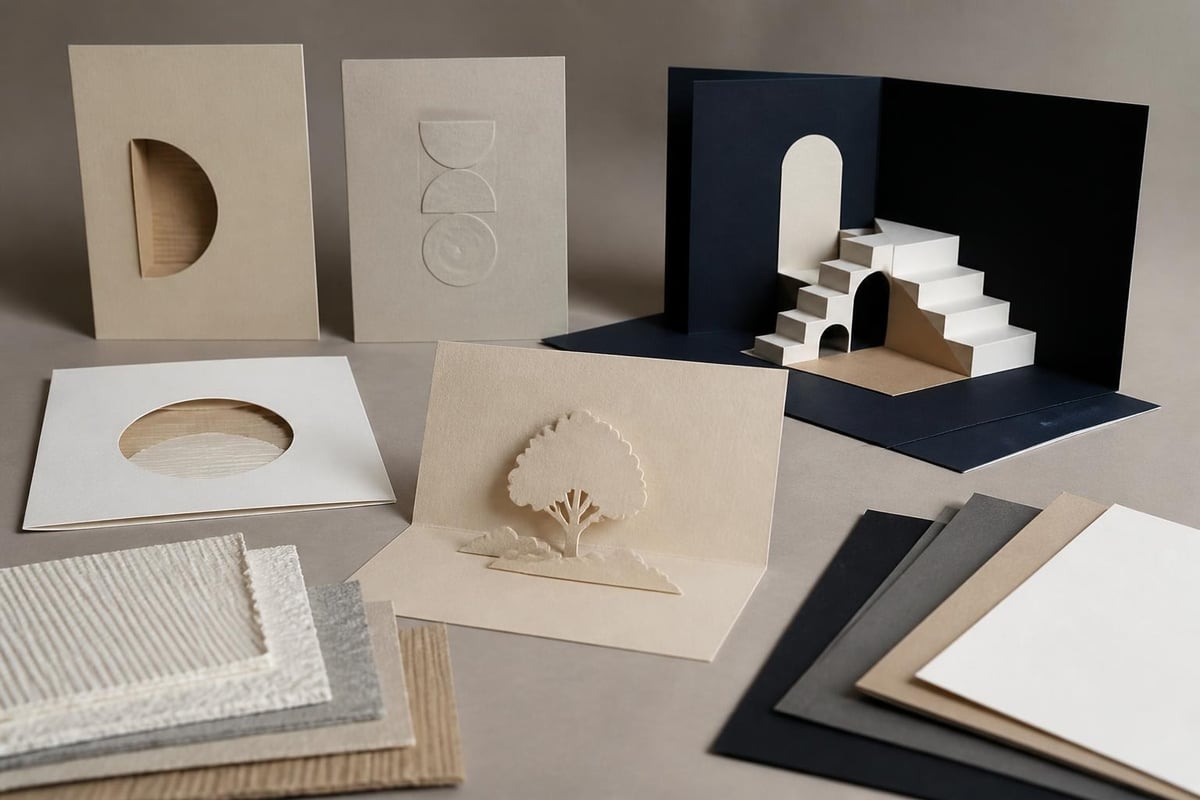
The physical properties of your card dramatically influence design possibilities. Paper weight, texture, and finish all contribute to the tactile experience that complements visual elements.
| Material Type | Best Applications | Design Advantages |
|---|---|---|
| Premium cardstock (300gsm+) | Business cards, formal invitations | Durability, professional feel, rich color reproduction |
| Textured paper | Artistic greeting cards, special occasions | Unique tactile experience, enhanced visual depth |
| Specialty finishes | Luxury applications, high-end branding | Metallic effects, spot UV, embossing possibilities |
| Layered construction | Pop-up cards, dimensional designs | Interactive elements, dramatic reveals, storytelling |
Innovative Layout Concepts for Modern Cards
Contemporary card design has moved beyond traditional rectangular formats and centered text. Exploring unconventional layouts can differentiate your cards and create stronger visual impact.
Asymmetrical and Dynamic Compositions
Asymmetrical designs create visual tension and interest, drawing the eye through intentional imbalance. This approach works exceptionally well for modern business cards and artistic greeting cards where you want to convey creativity and forward-thinking attitudes.
Effective asymmetrical techniques include:
- Off-center focal points that create movement
- Diagonal elements that add energy and direction
- Varying text sizes that establish clear hierarchy
- Negative space that provides breathing room and sophistication
- Color blocks that divide the design into distinct zones
Research on design creativity and framing demonstrates that how we structure visual information significantly impacts reception and memorability. Applying these principles to your design card ideas ensures they communicate effectively while standing out from conventional approaches.
Typography as a Primary Design Element
Typography choices can make or break card designs. The right fonts convey personality, establish hierarchy, and enhance readability across various viewing distances.
When developing typography-focused design card ideas, consider pairing contrasting font families to create visual interest. A bold sans-serif header combined with a refined serif body creates professional balance. Hand-lettered or script fonts add personal warmth to greeting cards but should be used sparingly to maintain readability.
Typography best practices include:
- Limit yourself to two or three font families maximum
- Ensure sufficient contrast between text and background
- Consider viewing distance and card size when selecting font sizes
- Use font weight variations within the same family for hierarchy
- Test readability across different lighting conditions
Three-Dimensional and Interactive Design Approaches
The emergence of pop-up and interactive cards has revolutionized what's possible in card design, transforming flat surfaces into architectural marvels that surprise and delight recipients.
Pop-Up Mechanisms and Engineering
Pop-up cards represent the pinnacle of design card ideas, combining artistic vision with structural engineering. These designs create memorable experiences by revealing hidden elements when opened, engaging recipients through interaction and surprise.
The complexity of pop-up mechanisms ranges from simple V-fold structures to elaborate multi-layer constructions featuring dozens of moving parts. Personalized pop-up cards demonstrate how customization elevates these designs from novelty items to meaningful keepsakes that recipients treasure for years.
Common pop-up techniques include:
- V-fold structures for simple dimensional elements
- Box mechanisms that create room-like spaces
- Rotating elements that reveal multiple scenes
- Layered constructions that build depth progressively
- Floating elements supported by hidden infrastructure
Adding Sound and Light Elements
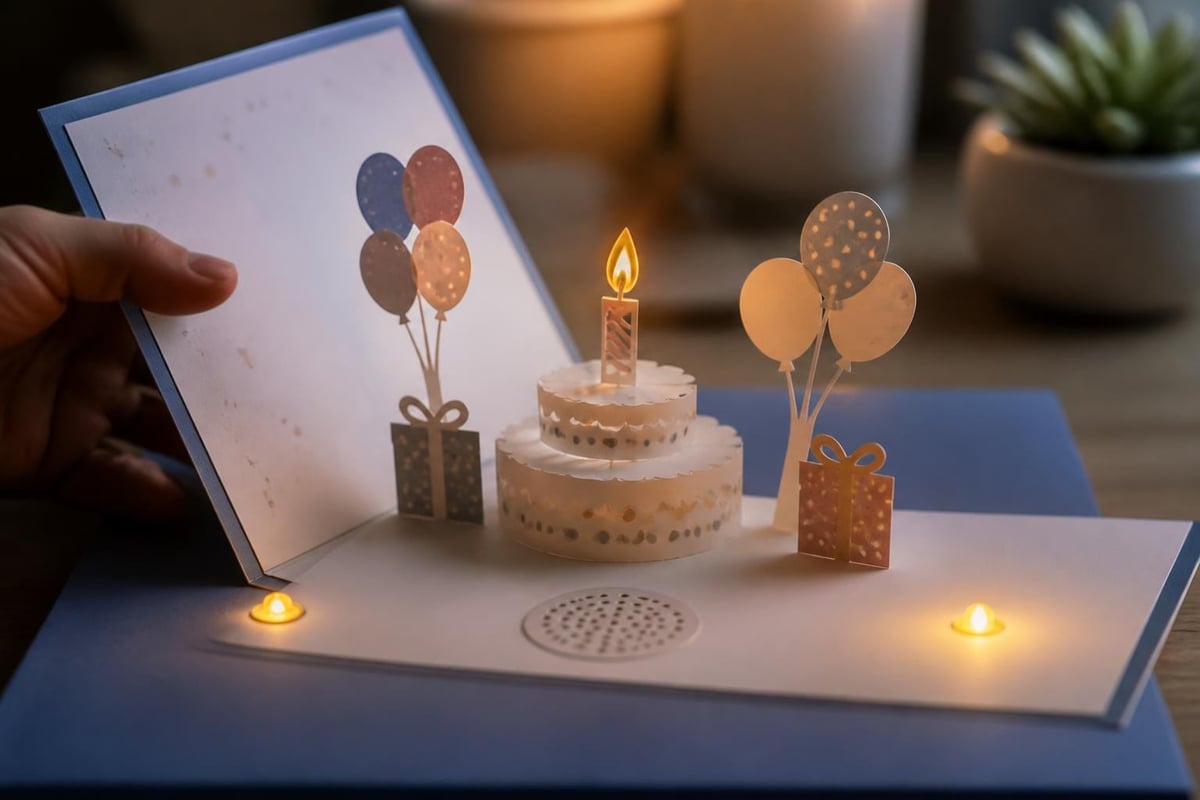
Modern technology enables design card ideas that engage multiple senses simultaneously. Musical chips can play melodies when cards open, while LED elements add illumination to key design features. These additions transform static cards into multi-sensory experiences particularly effective for holiday greetings and celebration cards.
Musical pop-up Christmas cards combine visual spectacle with auditory delight, creating comprehensive experiences that elevate traditional holiday greetings into memorable events. Similarly, pop-up Christmas cards with lights use LED technology to highlight architectural features and create ambient effects.
Color Theory and Visual Harmony in Card Design
Color choices profoundly influence emotional response and brand recognition. Understanding color psychology and harmony principles helps you craft design card ideas that resonate with intended audiences.
Psychological Impact of Color Selections
Different colors evoke specific emotional responses and cultural associations. Red conveys passion, urgency, and excitement. Blue communicates trust, stability, and professionalism. Green suggests growth, health, and environmental consciousness.
When developing business card designs, align color choices with brand identity and industry expectations. Financial services typically favor conservative blues and grays, while creative agencies can embrace bolder, more diverse palettes. Greeting cards benefit from color choices that match the occasion and sentiment you're expressing.
| Color | Emotional Association | Best Card Applications |
|---|---|---|
| Red | Energy, passion, urgency | Valentine's Day, announcements, calls to action |
| Blue | Trust, calm, professionalism | Business cards, corporate invitations, sympathy cards |
| Green | Growth, nature, harmony | Eco-friendly brands, spring celebrations, wellness themes |
| Purple | Luxury, creativity, wisdom | Premium products, artistic endeavors, milestone celebrations |
| Gold/Silver | Prestige, elegance, value | Weddings, anniversaries, luxury brand cards |
Creating Effective Color Combinations
Successful design card ideas rarely rely on single colors. Instead, they combine multiple hues in harmonious relationships that enhance visual appeal without overwhelming recipients.
Proven color combination strategies include:
- Monochromatic schemes using variations of a single hue for sophisticated unity
- Complementary colors positioned opposite on the color wheel for vibrant contrast
- Analogous colors adjacent on the wheel for harmonious, natural-feeling palettes
- Triadic combinations spaced evenly around the wheel for balanced diversity
- Accent color strategies using one bold hue against neutral backgrounds
Cultural Considerations and Personalization Strategies
Effective design card ideas acknowledge cultural contexts and embrace personalization opportunities that make recipients feel valued and understood.
Adapting Designs for Global Audiences
Color symbolism, imagery preferences, and communication styles vary significantly across cultures. What works brilliantly in Western markets may miss the mark or even offend in Asian, Middle Eastern, or other cultural contexts.
For instance, white symbolizes purity and weddings in Western cultures but represents mourning in many Asian traditions. Understanding these nuances prevents costly mistakes and demonstrates cultural sensitivity that strengthens relationships.
Customization and Variable Data Printing
Modern printing technology enables mass customization where each card in a production run features unique elements while maintaining design consistency. Variable data printing allows you to personalize names, images, messages, or design elements based on recipient data.
Personalization opportunities include:
- Recipient names incorporated into design elements
- Custom images or photos relevant to individuals
- Location-specific details or references
- Personalized messages within templated designs
- Industry or interest-specific imagery variations
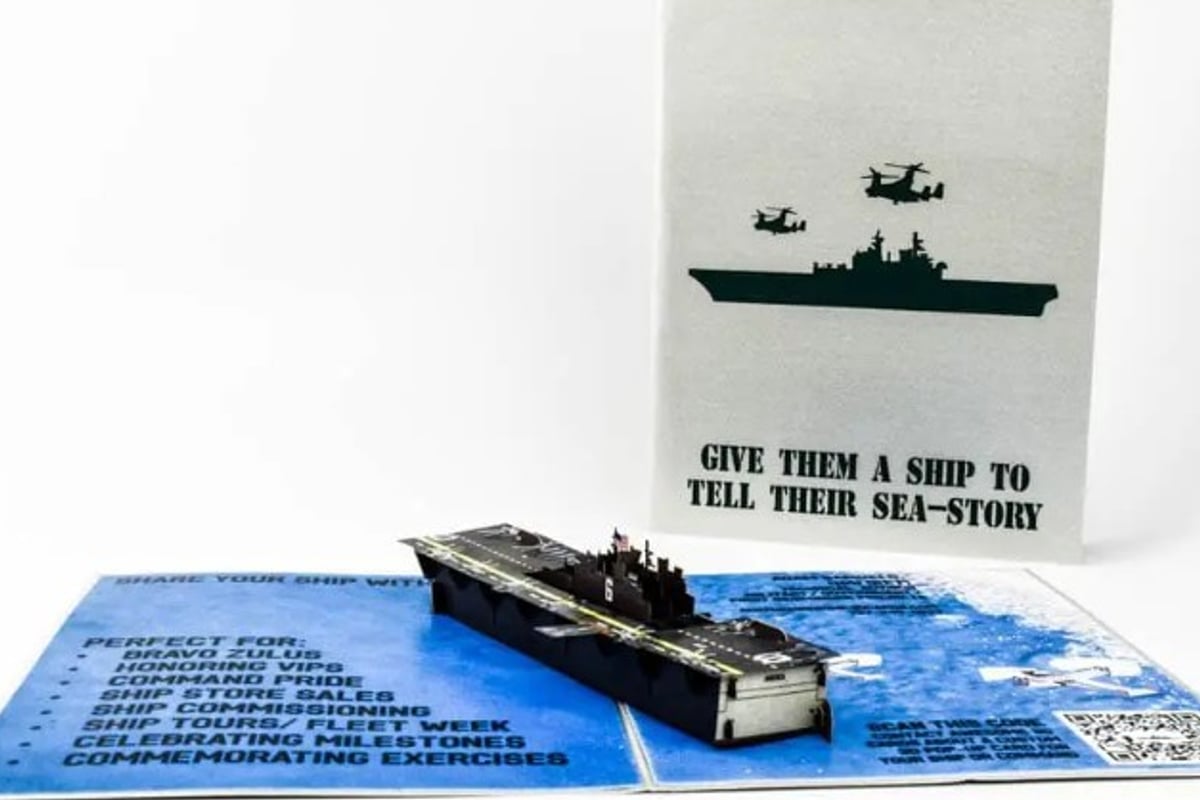
When businesses seek to create distinctive brand experiences, custom creative pop-up greeting cards transform standard invitations into memorable artistic statements. These custom designs can incorporate brand logos, product representations, or event symbols in three-dimensional formats that immediately capture attention and communicate corporate sophistication.
Industry-Specific Design Card Ideas
Different industries and applications demand unique approaches to card design. Understanding these specialized requirements helps you create targeted solutions that meet specific functional and aesthetic needs.
Business and Professional Cards
Professional cards must balance creativity with credibility. Business card design ideas from industry leaders demonstrate how subtle innovations like unique materials, refined typography, and strategic color choices create memorable impressions without sacrificing professionalism.
Minimalist approaches have gained popularity in professional contexts, as explored in discussions of types of business cards. These designs strip away unnecessary elements, focusing attention on essential information through generous white space, refined typography, and restrained color palettes.
Celebration and Event Cards
Greeting cards for birthdays, weddings, anniversaries, and holidays benefit from more expressive, emotional design approaches. These design card ideas should evoke joy, nostalgia, or celebration through vibrant colors, playful typography, and engaging imagery.
Wholesale 3D greeting cards demonstrate how dimensional designs elevate standard greetings into extraordinary experiences. The surprise element when recipients open these cards creates emotional peaks that flat designs cannot match.
Seasonal and Holiday Designs
Holiday cards present unique opportunities for themed design card ideas that leverage seasonal imagery, traditional color palettes, and culturally recognized symbols. However, the best designs balance timeless appeal with fresh perspectives that prevent them from feeling generic or predictable.
Custom pop-out cards for Christmas promotions show how businesses can incorporate branding into festive designs, creating promotional materials that recipients actually want to display rather than discard.
Digital Tools and AI in Card Design Development
Technology continues reshaping how designers conceptualize and execute card designs. Understanding available tools and emerging capabilities helps you work more efficiently while expanding creative possibilities.
Design Software and Digital Workflows
Professional card designers typically rely on Adobe Creative Suite, particularly Illustrator and Photoshop for vector and raster work respectively. These industry-standard tools offer precision, flexibility, and extensive output options necessary for professional card production.
Alternative platforms like Canva and Affinity Designer provide accessible entry points for those developing design card ideas without extensive professional training. These tools offer templates, intuitive interfaces, and sufficient capabilities for many card design projects.
Artificial Intelligence in Design Ideation
Emerging AI technologies are transforming creative processes, as evidenced by research on using generative AI to create design cards. These systems can generate initial concepts, suggest color combinations, or produce variations on established themes, accelerating the ideation phase while maintaining human creative direction.
However, AI tools work best as collaborators rather than replacements for human creativity. The most successful design card ideas typically emerge from combining algorithmic suggestions with human intuition, emotional intelligence, and cultural understanding that machines cannot replicate.
Production Considerations and Quality Control
Even brilliant design concepts fail if production execution falls short. Understanding manufacturing processes, material limitations, and quality assurance practices ensures your design card ideas translate successfully from screen to physical product.
Selecting Appropriate Production Methods
Different production techniques suit different project scales, budgets, and design requirements:
Digital printing offers cost-effective solutions for short runs with quick turnaround times and full-color capabilities. This method works well for personalized cards and small-batch specialty projects.
Offset printing provides superior color accuracy and cost efficiency for large production runs. The initial setup costs make this method economical only when producing thousands of identical cards.
Laser cutting enables intricate pop-up mechanisms and detailed die-cut elements that hand-cutting cannot achieve consistently. This technology has revolutionized complex dimensional card production.
Hand assembly remains essential for sophisticated pop-up structures where precision and quality control demand human attention. Skilled artisans can achieve complexity and refinement that automated processes cannot match.
Quality Assurance and Testing
Implementing rigorous quality control processes ensures your design card ideas meet professional standards when mass-produced. Testing should encompass visual inspection, structural integrity verification, and functional assessment for interactive elements.
Quality checkpoints include:
- Color accuracy against approved proofs
- Registration precision for multi-layer printing
- Cutting accuracy for die-cut and laser-cut elements
- Pop-up mechanism functionality and durability
- Overall finish quality including folds, scoring, and assembly
- Packaging integrity for shipping and handling
Sustainable and Ethical Design Practices
Modern consumers increasingly value environmental responsibility and ethical production. Incorporating sustainability into your design card ideas demonstrates social consciousness while potentially reducing costs and environmental impact.
Environmentally Responsible Material Choices
Selecting sustainable materials doesn't require sacrificing quality or visual appeal. Recycled papers, FSC-certified stocks, and vegetable-based inks provide environmentally friendly alternatives to conventional materials.
Sustainable design strategies include:
- Choosing papers with high post-consumer recycled content
- Specifying vegetable or soy-based inks instead of petroleum derivatives
- Minimizing waste through efficient layout and cutting patterns
- Designing for recyclability by avoiding mixed materials when possible
- Using biodegradable or recyclable packaging materials
Ethical Considerations in Design Tools
Research on ethical aspects in card-based design methods highlights the importance of incorporating ethical thinking throughout the creative process. This includes considering cultural sensitivity, accessibility for recipients with disabilities, and fair labor practices in manufacturing.
Design card ideas should reflect inclusive thinking that considers diverse audiences and perspectives. This might mean offering designs in multiple languages, ensuring sufficient color contrast for visually impaired recipients, or avoiding imagery that reinforces stereotypes.
Testing and Iterating Your Designs
Professional designers rarely achieve perfect results on first attempts. Systematic testing and refinement separate adequate designs from exceptional ones.
Prototyping and Mockup Creation
Before committing to full production, create physical prototypes that allow you to evaluate designs three-dimensionally. Screen representations cannot fully capture how paper weight, texture, and finish influence perception.
Prototyping best practices include:
- Print test versions on actual production paper stock
- Assemble pop-up mechanisms to verify functionality
- View prototypes under various lighting conditions
- Share samples with representative audience members for feedback
- Test durability through handling and shipping simulations
Gathering and Implementing Feedback
Objective feedback from target audiences provides invaluable insights that designers too close to projects might miss. Structure feedback sessions to gather specific, actionable input rather than vague impressions.
Ask reviewers to describe their initial reactions, identify elements that confuse or delight them, and suggest improvements. Look for patterns in feedback across multiple reviewers rather than making changes based on individual preferences.
Emerging Trends Shaping Card Design in 2026
Staying current with evolving aesthetic preferences and technological capabilities keeps your design card ideas fresh and relevant.
Maximalist Revival and Bold Expression
After years of minimalist dominance, maximalist aesthetics featuring abundant color, pattern, and ornamentation have gained momentum. These exuberant designs celebrate abundance and joy, particularly in greeting card and celebration contexts.
Hybrid Digital-Physical Experiences
QR codes, NFC tags, and augmented reality features bridge physical cards with digital content. These integrations enable design card ideas that offer both tangible keepsakes and expanded digital experiences.
For example, a wedding invitation might include a QR code linking to a website with venue details, accommodation options, and RSVP functionality. A business card could connect to an interactive portfolio or video introduction.
Artisanal and Handcrafted Aesthetics
Even in mass production contexts, designs that convey handcrafted authenticity resonate with audiences seeking genuine connection. Hand-lettered typography, watercolor textures, and imperfect elements suggest personal attention and care.
Exploring beautiful greeting card ideas through visual demonstrations reveals how handcrafted techniques translate into replicable designs that maintain artistic integrity at scale.
Developing effective design card ideas requires balancing creativity with practical considerations, understanding your audience deeply, and staying current with evolving technologies and aesthetic trends. Whether you're creating business cards that establish professional credibility or greeting cards that celebrate life's meaningful moments, the principles outlined here provide a foundation for designs that resonate and endure. When you're ready to transform your concepts into exceptional pop-up cards that create lasting impressions, The3dCards offers the manufacturing expertise, customization capabilities, and quality craftsmanship to bring your vision to reality with precision and artistry.