
Creating a memorable birthday greeting requires more than just thoughtful words. The visual presentation, structural design, and personal touches transform a simple message into a cherished keepsake. Whether you’re crafting cards for loved ones, designing for a business, or developing products for retail, understanding the fundamentals of card design ensures your creations stand out in an increasingly competitive market. The ability to design a happy birthday card that resonates with recipients combines artistic vision, technical knowledge, and attention to contemporary trends.
Mục Lục
- 1 Understanding Birthday Card Design Fundamentals
- 2 Color Theory for Birthday Card Design
- 3 Typography and Messaging Strategy
- 4 Incorporating Three-Dimensional Elements
- 5 Digital Tools and Design Software
- 6 Material Selection and Print Considerations
- 7 Personalization and Customization Strategies
- 8 Contemporary Design Trends for 2026
- 9 Production Methods and Quality Control
- 10 Business Applications and Corporate Branding
- 11 Designing for Different Age Groups
- 12 Cultural Considerations and Global Markets
- 13 Testing and Iteration Processes
Understanding Birthday Card Design Fundamentals
When you design a happy birthday card, the foundation starts with understanding core design principles. Card dimensions, aspect ratios, and structural considerations dictate how your visual elements interact with the physical format. Standard greeting cards typically measure 5×7 inches or A6 size, though custom dimensions offer opportunities for distinctive presentations.
Choosing the Right Card Format
The format you select dramatically impacts the design possibilities and user experience. Traditional folded cards provide four surfaces for content, while single-panel cards offer immediate visual impact. Pop-up cards introduce three-dimensional elements that create memorable interactions when recipients open them.
Consider these format options:
- Bifold cards: Classic format with front cover, inside spread, and back panel
- Trifold cards: Extended design space with additional panels for storytelling
- Panel cards: Single-sided designs ideal for display
- Interactive cards: Pop-up mechanisms, pull-tabs, or rotating elements
- Die-cut cards: Custom shapes that enhance thematic elements
The birthday card design guide emphasizes how aspect ratios influence composition, ensuring your design elements maintain proper proportions across different card sizes.
Establishing Visual Hierarchy
Every successful card design guides the viewer’s eye through a deliberate sequence. Your primary message, whether “Happy Birthday” or a personalized greeting, should dominate the composition. Secondary elements like decorative graphics, patterns, or supporting text complement without overwhelming.
Typography weight, size, and placement create this hierarchy. Headlines require bold, legible fonts at 24-36 points, while body text functions best between 10-14 points. Spacing between elements prevents visual clutter and allows each component to breathe.

Color Theory for Birthday Card Design
Color choices evoke emotional responses and establish the card’s overall mood. When you design a happy birthday card, your palette communicates before words are read. Warm colors like red, orange, and yellow project energy and celebration, while cool blues and purples suggest sophistication and calm.
Selecting Color Schemes
Modern card design embraces both bold contrast and subtle harmony. Monochromatic schemes using tints and shades of a single hue create elegant sophistication. Complementary colors positioned opposite on the color wheel deliver vibrant energy. Analogous palettes using adjacent colors produce harmonious, cohesive designs.
| Color Scheme | Best For | Example Combinations |
|---|---|---|
| Monochromatic | Minimalist, elegant designs | Navy, sky blue, powder blue |
| Complementary | Bold, energetic celebrations | Purple and yellow, blue and orange |
| Analogous | Harmonious, cohesive themes | Green, blue-green, blue |
| Triadic | Balanced, vibrant designs | Red, yellow, blue |
The 2026 birthday invitation trends highlight how natural chroma palettes drawn from botanical elements and earth tones dominate contemporary design preferences. These organic color stories create authentic, relatable visual experiences.
Understanding Color Psychology
Different age groups and cultural contexts interpret colors uniquely. Children’s birthday cards benefit from primary colors and high contrast, while milestone celebrations for adults often employ sophisticated jewel tones or metallic accents.
Pastel palettes work beautifully for spring birthdays or gentle personalities. Metallic finishes in gold, silver, or rose gold add premium perceived value. Consider how your color choices align with the recipient’s preferences and the celebration’s formality level.
Typography and Messaging Strategy
The fonts you select carry personality and readability requirements. When you design a happy birthday card, typography functions as both visual element and communication vehicle. Script fonts convey elegance and personal touch, while sans-serif options project modern simplicity.
Font Selection Guidelines
Limit your design to two or three font families maximum. Pair a decorative display font for headlines with a readable body font for longer messages. Ensure sufficient contrast between font weights to maintain hierarchy.
Popular pairing strategies include:
- Script + Sans-serif: Elegant headline with clean supporting text
- Bold display + Light serif: Dramatic contrast with classic undertones
- Geometric sans + Humanist sans: Modern cohesion with subtle variation
- Vintage serif + Modern sans: Nostalgic-contemporary balance
Professional designers recommend testing legibility at actual print size. Decorative fonts that appear beautiful on screen may become illegible when reduced to card dimensions. The design principles guide emphasizes readability as non-negotiable, especially for recipients with visual impairments.
Crafting Effective Messages
Your text content should complement, not compete with, visual elements. Front cover messaging typically stays concise-“Happy Birthday,” “Celebrate,” or personalized names. Interior space accommodates longer sentiments, personal notes, or humorous content.
Message placement requires strategic white space. Text crowded against design elements becomes difficult to read. Adequate margins and padding ensure comfortable reading experiences and prevent text from disappearing into fold lines or trimmed edges.
Incorporating Three-Dimensional Elements
Pop-up mechanisms transform flat cards into interactive experiences. When you design a happy birthday card with dimensional elements, you create surprise and delight that recipients remember long after the celebration ends. These structural features require understanding paper engineering principles and mechanical functionality.
Paper Engineering Basics
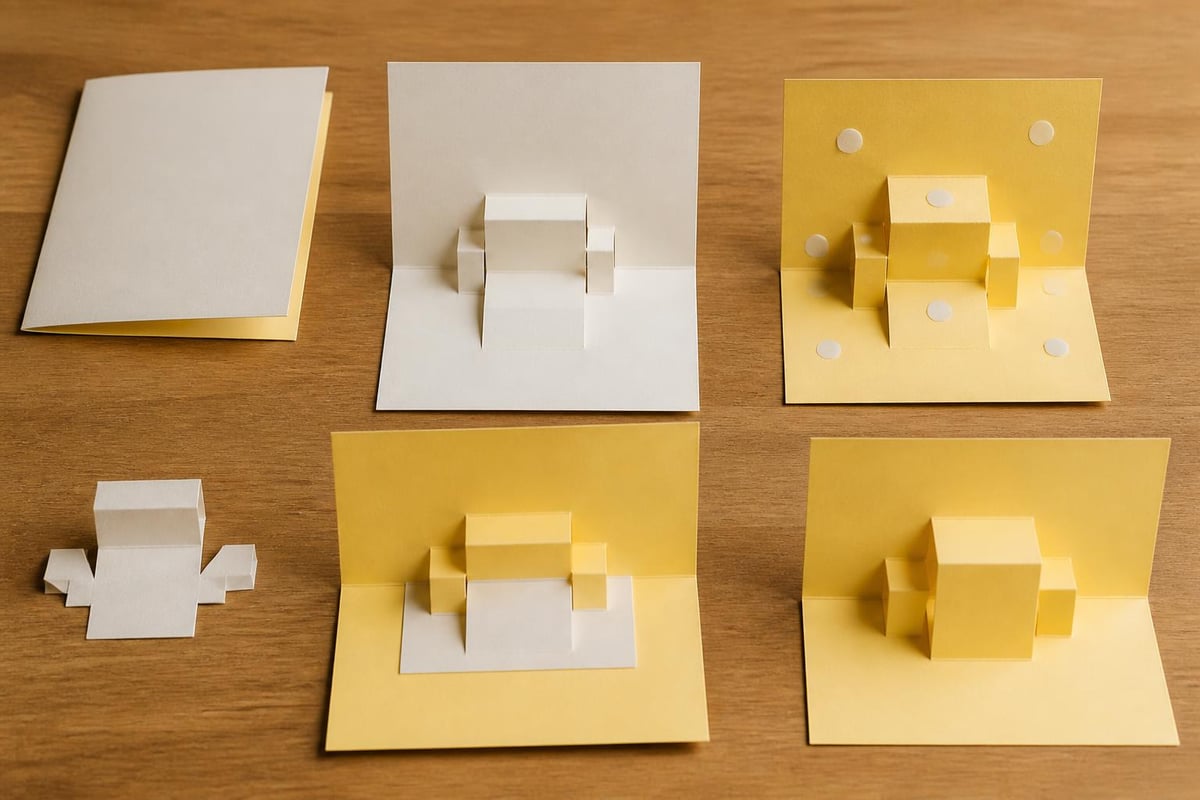
Successful pop-up designs balance visual impact with structural integrity. The mechanism must function reliably through repeated openings while maintaining aesthetic appeal. Common pop-up structures include v-folds, parallel folds, box folds, and rotating mechanisms.
Consider these engineering factors:
- Paper weight: 200-300 GSM cardstock provides necessary rigidity
- Score lines: Precise folding guides ensure consistent assembly
- Adhesive placement: Strategic gluing maintains structural integrity
- Movement clearance: Elements must open and close without binding
- Collapse ratio: Pop-up height relative to card thickness
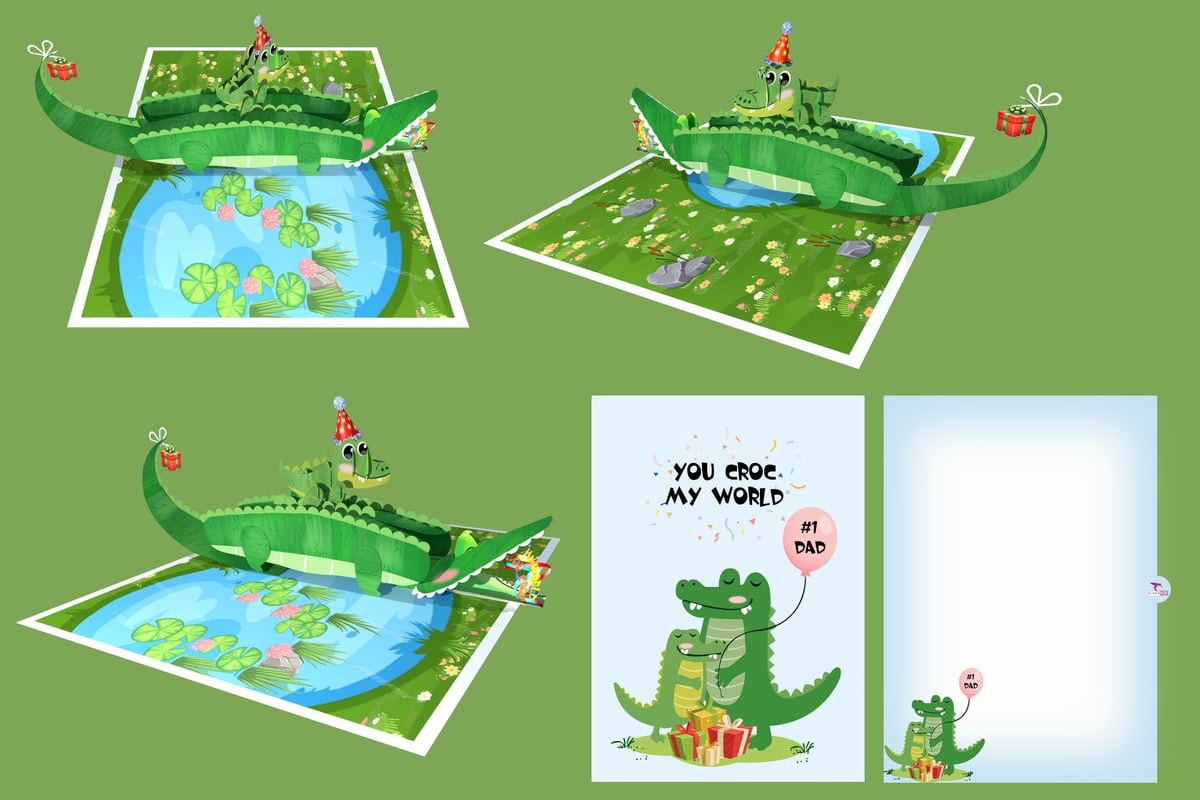
For those seeking professionally crafted dimensional designs, exploring Animal pop up card collections demonstrates how intricate paper engineering creates stunning visual effects. These designs showcase the balance between artistic detail and mechanical functionality that makes pop-up cards so captivating.
Balancing Complexity and Functionality
Intricate pop-up designs impress but require careful planning. Each additional layer or moving part increases production complexity and potential failure points. Start with simple mechanisms and add complexity only where it enhances the overall concept.
Prototype testing identifies mechanical issues before production. Create multiple samples, testing how the pop-up performs with different paper weights, adhesive types, and assembly sequences. This iterative process ensures your final design functions flawlessly.
Digital Tools and Design Software
Modern card design leverages digital tools that streamline the creative process. When you design a happy birthday card using professional software, you gain precision control over every element while maintaining flexibility for revisions and variations.
Professional Design Platforms
Adobe Illustrator remains the industry standard for vector-based card design, offering precise control over shapes, typography, and color. Its ability to create print-ready files with exact specifications makes it invaluable for professional production.
Adobe Photoshop excels for image-based designs, photo manipulation, and creating textured backgrounds. Combining both applications leverages their respective strengths.
Alternative platforms include:
- Canva: User-friendly templates and drag-drop interface for beginners
- Affinity Designer: Professional vector tools without subscription pricing
- InDesign: Multi-page layouts and advanced typography control
- Procreate: Tablet-based illustration for hand-drawn elements
Each platform offers distinct advantages depending on your skill level, budget, and design requirements. The 2026 business birthday card trends indicate that professional designs increasingly combine digital precision with artisanal touches, creating hybrid aesthetics that feel both polished and personal.
AI-Assisted Design Tools
Generative AI transforms design workflows by automating repetitive tasks and suggesting creative variations. These tools help generate initial concepts, create pattern variations, and optimize layouts based on design principles.
However, AI serves as creative assistant rather than replacement for human design thinking. The most successful applications combine AI-generated elements with designer refinement, ensuring outputs maintain authentic emotional resonance and technical precision.
Material Selection and Print Considerations
The physical materials you choose impact how recipients perceive and interact with your card. When you design a happy birthday card, substrate selection influences everything from color reproduction to tactile experience and longevity.
Paper Stock Options
Art paper between 250-350 GSM provides the optimal balance of durability and flexibility for most greeting cards. This weight category maintains structural integrity while allowing clean folds and comfortable handling.
| Paper Type | Weight (GSM) | Best Applications | Key Benefits |
|---|---|---|---|
| Art Paper | 250-350 | Standard greeting cards | Excellent color reproduction, smooth finish |
| Textured Paper | 280-320 | Premium, tactile designs | Unique feel, visual interest |
| Pearl/Metallic | 250-300 | Elegant, formal cards | Shimmer effect, premium perception |
| Kraft Paper | 300-350 | Rustic, eco-friendly designs | Natural aesthetic, sustainability appeal |
Premium finishes like soft-touch coating, spot UV, or embossing elevate perceived value. These techniques create tactile contrast that engages multiple senses, making the card more memorable.
Color Accuracy and Proofing
Digital designs appear differently when printed. Monitor colors use RGB (red, green, blue) light, while printing employs CMYK (cyan, magenta, yellow, black) inks. Converting files properly prevents unexpected color shifts.
Proofing processes ensure your vision translates accurately to physical cards. Request printed samples before full production runs, examining color accuracy, registration alignment, and finish quality under natural lighting conditions.
Personalization and Customization Strategies
Today’s consumers expect personalization options that make cards feel uniquely theirs. When you design a happy birthday card with customization capabilities, you create opportunities for deeper emotional connections and increased perceived value.
Variable Data Printing
This technology allows individual customization within production runs. Names, ages, photos, or custom messages can vary from card to card without stopping the printing process. Digital printing equipment makes small-batch personalization economically viable.
Personalization levels include:
- Name insertion: Simple text customization
- Age-specific elements: Graphics or messages tailored to milestones
- Photo integration: Recipient images incorporated into design
- Message customization: Personal notes or inside jokes
- Color variations: Palette adjustments matching preferences
The handmade birthday card tutorial demonstrates how personal touches transform generic designs into meaningful keepsakes. While digital printing enables mass personalization, these artisanal techniques inspire authentic emotional connections.
Modular Design Systems
Creating design systems with interchangeable elements maximizes customization while maintaining production efficiency. A base card template accepts different decorative elements, color schemes, or pop-up mechanisms depending on customer selections.
This approach requires thoughtful planning during initial design phases. Establish consistent placement guides, ensure elements maintain visual harmony across combinations, and test all possible variations before offering them to customers.
Contemporary Design Trends for 2026
Understanding current aesthetic movements helps you design a happy birthday card that feels fresh and relevant. The 2026 design trends for birthday invitations reveal several dominant directions shaping the industry.
Tactile Minimalism
This trend emphasizes clean compositions with strategic textural elements. Designs feature generous white space, restrained color palettes, and selective use of premium finishes. The minimalist visual approach allows high-quality materials and subtle details to create impact.
Key characteristics include:
- Limited color palettes (2-3 colors maximum)
- Abundant negative space
- Premium paper stocks with interesting textures
- Refined typography with generous sizing
- Selective embellishment placement
Nostalgic Modernism
Contemporary designs increasingly reference vintage aesthetics while maintaining modern clarity. Retro color combinations, mid-century typography, and analog illustration styles appear refreshed through contemporary production techniques and layout principles.
This duality appeals to consumers seeking authenticity and warmth in an increasingly digital world. Combining nostalgic visual languages with current production capabilities creates designs that feel both familiar and innovative.
Sustainable Design Elements
Environmental consciousness influences material choices and design messaging. Recycled paper stocks, soy-based inks, minimal packaging, and plantable seed paper components demonstrate ecological responsibility.
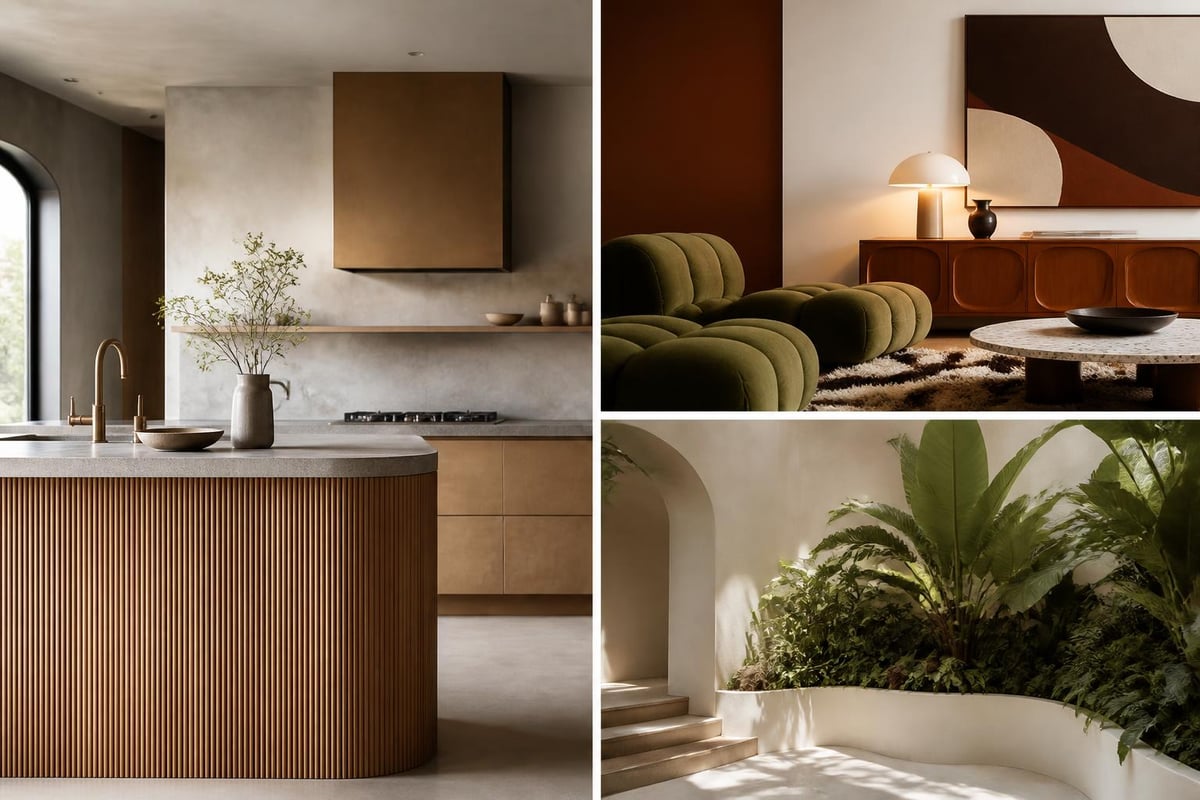
Visual design supports sustainability through earth-tone palettes, botanical illustrations, and natural textures. These elements communicate environmental values while creating aesthetically pleasing compositions. Cards like the 3D pop-up cherry blossom card demonstrate how nature-inspired themes translate beautifully into dimensional designs.
Production Methods and Quality Control
The manufacturing process dramatically impacts final card quality and consistency. When you design a happy birthday card for production, understanding manufacturing capabilities and limitations ensures your vision translates successfully to finished products.
Manufacturing Techniques
Offset printing delivers superior color consistency and cost efficiency for large quantities, typically requiring minimum orders of 500-1000 units. Digital printing offers flexibility for smaller runs and variable data applications, though per-unit costs increase.
Laser cutting technology enables intricate die-cut shapes and precise pop-up components. This method produces clean edges and complex geometries impossible with traditional die-cutting equipment. The precision supports detailed paper engineering essential for sophisticated three-dimensional elements.
Hand assembly remains necessary for complex pop-up mechanisms. Skilled artisans ensure proper adhesive placement, alignment accuracy, and functional testing. This human element combines with technological precision to deliver premium quality products.
Quality Assurance Processes
Rigorous quality control prevents defective cards from reaching customers. Inspection stages include:
- Pre-production approval: Sample verification before full runs
- In-line monitoring: Regular checks during printing and cutting
- Assembly inspection: Functional testing of mechanisms
- Final review: Complete card examination before packaging
- Random sampling: Ongoing quality verification in finished inventory
Establishing clear quality standards and documentation processes ensures consistency across production batches. Detailed specifications for color tolerances, dimensional accuracy, and functional performance guide manufacturing teams.
Business Applications and Corporate Branding
Organizations increasingly recognize how custom card design reinforces brand identity and strengthens client relationships. When you design a happy birthday card for corporate use, strategic alignment with brand guidelines and professional presentation becomes paramount.
Brand Integration Strategies
Corporate birthday cards should reflect organizational personality while maintaining celebratory warmth. Logo placement, brand color integration, and typography consistency with other marketing materials create cohesive brand experiences.
Subtle branding approaches often prove more effective than heavy-handed promotion. A tastefully incorporated logo, brand color accent, or signature typography style maintains professionalism without overshadowing the personal celebration message.
Relationship Marketing Value
Personalized birthday recognition demonstrates client appreciation and fosters emotional connections beyond transactional relationships. Research indicates customers receiving personalized birthday greetings show increased loyalty, higher lifetime value, and greater referral likelihood.
The business birthday card trends emphasize how elevated designs with premium finishes communicate organizational quality and attention to detail. These cards become tangible representations of company values and relationship priorities.
Premium packaging, hand-addressed envelopes, and personalized messages inside transform business birthday cards from obligatory gestures into meaningful relationship investments.
Designing for Different Age Groups
Age-appropriate design ensures your card resonates with recipients. When you design a happy birthday card, consider developmental stages, cultural references, and aesthetic preferences that vary across age ranges.
Children’s Birthday Cards
Bright primary colors, bold graphics, and interactive elements captivate young recipients. Character illustrations, playful typography, and tactile features like textures or pop-ups create engaging experiences.
Age-specific considerations include:
- Ages 1-5: Simple shapes, high contrast, durable construction
- Ages 6-10: Popular characters, activity elements, bright colors
- Ages 11-13: Trending themes, sophisticated humor, cooler palettes
Safety requirements mandate non-toxic materials and construction that prevents small detachable parts for cards intended for children under three.
Teen and Young Adult Cards
This demographic appreciates contemporary design trends, personalization options, and social media-worthy aesthetics. Minimalist layouts, trendy color palettes, and modern typography appeal to style-conscious recipients.
Humor, pop culture references, and relatable messaging create authentic connections. Designs that photograph well for social sharing extend the card’s impact beyond the initial viewing.
Milestone and Senior Cards
Sophisticated aesthetics, premium materials, and sentimental messaging suit milestone celebrations and older recipients. Classic typography, refined color palettes, and timeless design elements convey respect and significance.
Legibility becomes especially important. Larger text sizes, high contrast ratios, and clear font choices ensure comfortable reading for recipients with age-related vision changes. Exploring options like the romantic love 3D pop-up card shows how elegant dimensional designs serve anniversary and milestone celebrations beautifully.
Cultural Considerations and Global Markets
Birthday celebration customs and visual preferences vary significantly across cultures. When you design a happy birthday card for international markets, cultural sensitivity and localized aesthetics ensure appropriate, appealing products.
Color Symbolism Variations
Colors carry different meanings across cultures. Red symbolizes luck and prosperity in Chinese culture but can represent danger in Western contexts. White suggests purity in Western traditions but signifies mourning in some Asian cultures.
Research target market preferences and taboos before finalizing color palettes. This diligence prevents unintentional offense and ensures designs resonate positively with intended audiences.
Text and Language Adaptations
Multilingual designs accommodate diverse populations. Text placement must allow for language expansion or contraction, as translations rarely match original text lengths exactly.
Right-to-left languages like Arabic require mirrored layout considerations. Typography choices must support character sets for target languages, including accents, diacritical marks, and non-Latin alphabets.
Holiday and Celebration Timing
Birthday celebrations occur year-round, but certain times see concentrated demand. First quarter corresponds with winter birthdays in northern hemisphere markets. Summer months bring graduation and June birthday cards.
Production planning accounts for seasonal demand fluctuations, ensuring adequate inventory during peak periods while avoiding overproduction during slower months. Understanding regional celebration customs helps optimize product offerings for specific markets.
Testing and Iteration Processes
Successful card design rarely emerges fully formed. When you design a happy birthday card, systematic testing and refinement improve both aesthetic appeal and functional performance.
Gathering Feedback
Target audience input reveals how designs perform beyond designer assumptions. Focus groups, online surveys, and A/B testing provide quantitative and qualitative insights about design effectiveness.
Test multiple design variations simultaneously, measuring:
- Visual appeal ratings: Overall aesthetic preference
- Message clarity: Communication effectiveness
- Emotional response: Feelings evoked by design
- Purchase intent: Likelihood of buying the card
- Price perception: Appropriate price point for quality level
Iterative refinement based on feedback data ensures final designs meet market preferences and performance expectations.
Prototyping and Physical Samples
Digital proofs cannot replicate the physical card experience. Create printed prototypes to evaluate color accuracy, paper feel, pop-up functionality, and overall presence. Physical samples reveal issues invisible in digital files.
Test cards under various conditions, including different lighting, handling scenarios, and display contexts. Verify that fold lines score cleanly, pop-up mechanisms function smoothly, and printed elements align accurately.
Multiple prototype iterations identify and resolve problems before committing to full production, saving significant time and cost while ensuring quality standards.
Designing memorable birthday cards requires balancing artistic creativity with technical knowledge, understanding your audience’s preferences while staying current with design trends, and selecting materials that support your creative vision. Whether you’re creating simple flat cards or intricate three-dimensional pieces, these principles guide successful outcomes. For those seeking professionally crafted pop-up cards that combine stunning visual design with expert paper engineering, The3dCards offers extensive collections and custom design services to bring your birthday card visions to life with precision manufacturing and attention to detail.