
The greeting card industry continues to evolve beyond traditional flat designs, with 3D greeting cards emerging as a dominant force in personalized communication. These dimensional paper sculptures combine engineering precision with artistic expression, creating memorable experiences that recipients treasure long after the occasion passes. From intricate pop-up mechanisms to layered paper art, three-dimensional cards represent both a technical achievement and an emotional investment that sets them apart in an increasingly digital world.
Mục Lục
- 1 The Evolution of Three-Dimensional Card Design
- 2 Design Techniques That Elevate Dimensionality
- 3 Market Opportunities and Business Applications
- 4 Innovation in 3D Card Technology
- 5 Design Inspiration and Creative Approaches
- 6 Manufacturing Considerations for Scale Production
- 7 Pricing Strategies and Value Perception
- 8 Future Trends Shaping the Industry
The Evolution of Three-Dimensional Card Design
The journey from simple folded paper to complex architectural structures reflects decades of innovation in paper engineering. Early 3d greeting cards featured basic pop-up elements, but modern designs incorporate multiple layers, moving parts, and sophisticated mechanical systems that unfold like miniature theatrical productions.
Contemporary manufacturers utilize laser cutting technology to achieve precision that hand-cutting cannot match. This advancement enables designers to create intricate patterns, delicate filigree work, and complex geometric shapes that would be impossible with traditional methods. The integration of computer-aided design (CAD) software allows for prototyping and testing before production, reducing waste and ensuring consistent quality across large runs.
Materials and Construction Methods
The foundation of any successful three-dimensional card begins with paper selection. Premium art paper provides the necessary rigidity to maintain structural integrity while remaining flexible enough for folding mechanisms. Different weights serve different purposes:
- Lightweight papers (120-160 gsm) for delicate layering effects
- Medium-weight papers (200-250 gsm) for structural elements
- Heavy cardstock (300+ gsm) for base cards and stability
Manufacturing techniques vary based on design complexity and production volume. Small-scale creators might use traditional 3D paper cutting methods that require careful hand assembly, while large manufacturers employ automated processes for consistency.
Design Techniques That Elevate Dimensionality
Creating compelling 3d greeting cards requires understanding both artistic principles and mechanical engineering. The most successful designs balance visual impact with structural feasibility, ensuring cards can withstand shipping and handling while delivering dramatic reveals.
Layering and Depth Perception
Layering creates depth through strategic placement of paper elements at different heights. This technique uses foam adhesive squares or dimensional tape to separate layers, creating shadows that enhance the three-dimensional effect. Designers must consider:
- Foreground elements that pop out closest to the viewer
- Mid-ground components that provide context and support
- Background layers that add depth and frame the composition
- Color gradation from vibrant foregrounds to subtle backgrounds
- Light and shadow interactions between layers
The psychology of depth perception plays a crucial role in how recipients experience these cards. By manipulating scale, overlap, and positioning, designers create the illusion of space within a confined area.
Pop-Up Mechanisms and Engineering
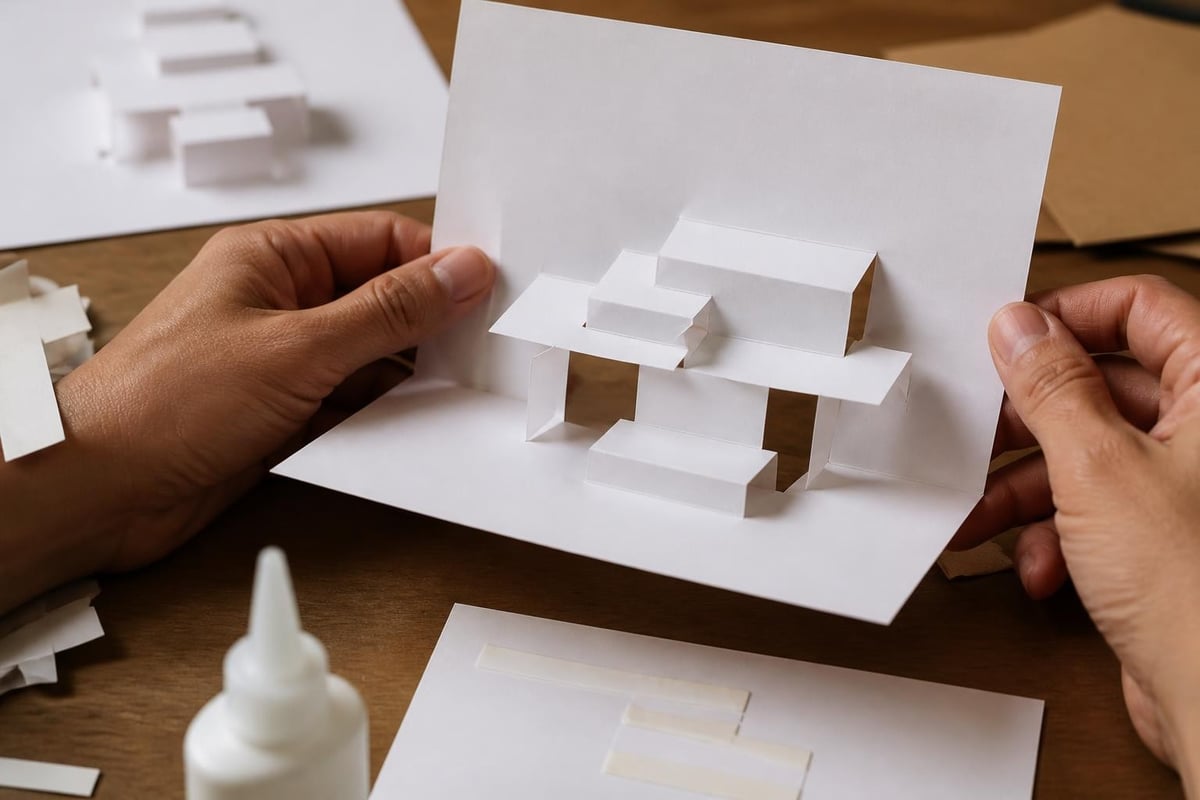
Pop-up architecture represents the most dramatic form of dimensional card design. These mechanisms transform flat cards into three-dimensional sculptures through carefully calculated folds and cuts. Expert techniques for creating stunning 3D designs include parallel folds, V-folds, box folds, and rotating mechanisms.
| Mechanism Type | Complexity Level | Best For | Production Difficulty |
|---|---|---|---|
| V-Fold | Beginner | Simple pop-ups | Low |
| Parallel Fold | Intermediate | Layered scenes | Medium |
| Box Fold | Advanced | Architectural structures | High |
| Rotating Elements | Expert | Interactive designs | Very High |
Each mechanism requires precise measurement and scoring to function smoothly. The relationship between the card's base fold and the pop-up elements must be mathematically exact to ensure the design collapses flat when closed and springs to life when opened.
Market Opportunities and Business Applications
The commercial landscape for 3d greeting cards extends far beyond personal occasions into corporate communications and brand marketing. Businesses recognize that dimensional cards create stronger emotional connections than digital messages or flat alternatives.
Corporate and Custom Applications
Companies invest in custom three-dimensional cards for several strategic purposes. Product launches benefit from cards that physically represent new offerings, while corporate anniversary celebrations use architectural pop-ups depicting company milestones. The tangible nature of these cards ensures they remain on desks and shelves, providing ongoing brand exposure.
For businesses seeking reliable production partners, working with a pop-up greeting card factory in Vietnam offers advantages in cost efficiency and quality control. These specialized manufacturers combine traditional craftsmanship with modern production technology, delivering consistent results for bulk orders while maintaining the attention to detail that makes each card special.
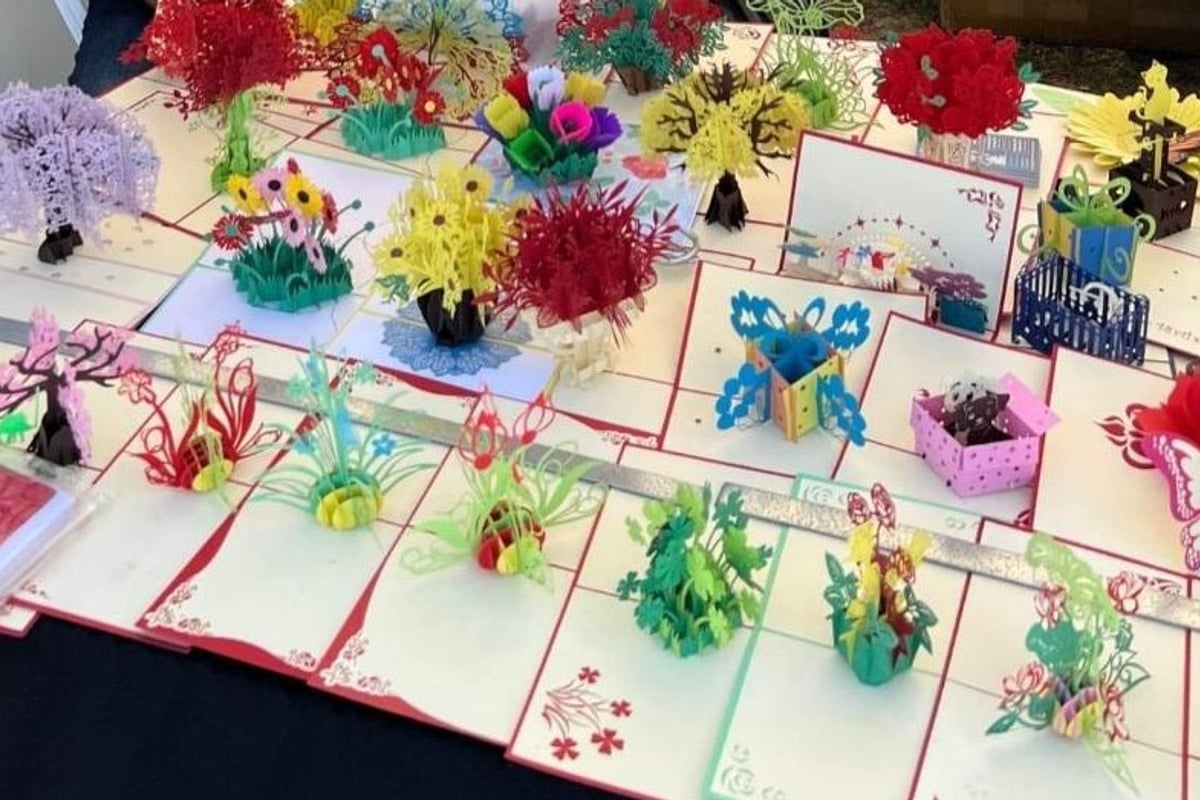
Event invitations represent another growing segment where dimensional cards outperform standard options. Weddings, gala fundraisers, and exclusive product reveals use elaborate pop-up invitations to signal the event's importance and create anticipation. The investment in premium invitation cards correlates directly with perceived event value.
Seasonal and Occasion-Based Demand
Different times of year drive distinct design requirements and production volumes. Understanding these patterns helps manufacturers plan capacity and designers anticipate trends.
Peak Season Categories:
- Holiday cards (October-December): Religious themes, winter scenes, festive celebrations
- Valentine's Day (January-February): Hearts, flowers, romantic imagery
- Graduation season (April-June): Caps, diplomas, achievement symbols
- Birthday cards (year-round): Age-specific designs, celebration themes
The versatility of three-dimensional techniques allows the same manufacturing capabilities to serve multiple markets with different design applications.
Innovation in 3D Card Technology
Technology continues to reshape what's possible in dimensional card design. Emerging techniques blend traditional paper engineering with digital innovation, creating hybrid experiences that engage recipients in new ways.
Digital Integration and Augmented Reality
Some manufacturers now incorporate augmented reality (AR) elements into physical cards. Recipients scan cards with smartphone apps to unlock digital animations, videos, or personalized messages that appear to emerge from the card itself. This fusion of physical and digital creates multisensory experiences that appeal to tech-savvy consumers.
3D printing technology opens entirely new possibilities for card creation. Designers can prototype complex mechanisms quickly, test functionality, and even produce small batches of cards with raised elements that would be impossible to achieve through paper alone. While not suitable for mass production due to speed and cost considerations, 3D printing excels at custom, one-of-a-kind creations.
Sustainable Materials and Eco-Friendly Production
Environmental consciousness drives innovation in materials and processes. Modern 3d greeting cards increasingly use recycled papers, soy-based inks, and water-soluble adhesives that minimize environmental impact. Manufacturers who adopt sustainable practices appeal to environmentally aware consumers and corporate clients with sustainability commitments.
The challenge lies in maintaining structural integrity and visual appeal while using eco-friendly alternatives. Some recycled papers lack the stiffness needed for complex pop-up mechanisms, requiring designers to adapt techniques or specify hybrid materials that balance sustainability with functionality.
Design Inspiration and Creative Approaches
Creating memorable three-dimensional cards requires both technical skill and creative vision. The most successful designs tell stories, evoke emotions, and surprise recipients with unexpected details.
Thematic Consistency and Visual Storytelling
Strong designs maintain thematic coherence across all elements. A birthday card celebrating a milestone might use numbered layers ascending toward a central figure, while a wedding invitation could feature architectural elements that frame the couple's initials. Every fold, cut, and layer should reinforce the central message.
Color selection profoundly impacts emotional response. Warm tones create energy and excitement suitable for celebrations, while cool blues and greens convey calm elegance appropriate for sympathy or appreciation cards. Metallic accents add luxury, while craft papers suggest handmade authenticity.
Practical DIY Approaches
Crafters interested in creating their own dimensional cards can start with accessible techniques before progressing to complex mechanisms. Simple 3D star designs provide an excellent entry point, requiring minimal tools and offering immediate gratification.
Essential Tools for Beginners:
- Precision cutting mat and ruler
- Sharp craft knife or precision scissors
- Bone folder for crisp creases
- Scoring tool for clean fold lines
- Adhesive appropriate for paper weight
- Template materials for consistency
Step-by-step tutorials walk beginners through foundational techniques, building confidence before attempting advanced projects. The learning curve rewards persistence, as each completed card develops skills applicable to increasingly complex designs.
Manufacturing Considerations for Scale Production
Transitioning from individual cards to commercial production requires understanding manufacturing logistics, quality control, and cost management. Successful manufacturers balance efficiency with the craftsmanship that makes 3d greeting cards special.
Production Workflow and Quality Standards
High-volume production demands systematic approaches to maintain consistency. Manufacturers establish standardized processes covering design approval, material sourcing, cutting, assembly, and packaging. Each stage includes quality checkpoints to catch defects before they reach customers.
| Production Stage | Quality Check | Common Issues | Resolution |
|---|---|---|---|
| Design Approval | Prototype testing | Mechanism failure | Redesign angles |
| Material Cutting | Precision verification | Incomplete cuts | Blade maintenance |
| Assembly | Alignment inspection | Misaligned layers | Jig adjustment |
| Final Inspection | Function testing | Sticking mechanisms | Adhesive modification |
Assembly remains largely manual for complex pop-up designs, as human hands can navigate intricate folds and delicate placements that automated systems struggle to replicate. This human element contributes to costs but ensures quality that justifies premium pricing.
Customization and Personalization Services
The market increasingly demands personalized cards that speak directly to individual recipients. Variable data printing allows manufacturers to customize names, dates, and messages while maintaining production efficiency. Advanced systems can even modify design elements based on recipient preferences or occasion specifics.
Bulk customization presents technical challenges. Each personalized element requires data management systems that prevent errors, ensure correct matching of customization to card design, and maintain production speed. Successful manufacturers invest in software and training that make customization seamless rather than disruptive.
Pricing Strategies and Value Perception
Understanding pricing psychology helps both manufacturers and retailers position 3d greeting cards effectively. These premium products command higher prices than flat alternatives, requiring clear communication of value to justify the investment.
Cost Components and Margin Considerations
Several factors influence the final price of dimensional cards:
- Material costs: Premium papers, specialty adhesives, embellishments
- Labor intensity: Hand assembly time, quality control, packaging
- Design complexity: Number of layers, mechanism sophistication, customization
- Production volume: Economies of scale for bulk orders
- Market positioning: Luxury versus accessible premium segments
Wholesale pricing must account for multiple distribution layers while remaining competitive. Manufacturers selling to retailers typically work with 40-60% wholesale discounts from suggested retail prices, requiring tight cost control to maintain profitability.
Communicating Value to Customers
Customers paying premium prices for 3d greeting cards need to understand what justifies the investment. Effective marketing emphasizes the tangible differences: cards that recipients keep rather than discard, physical presence that digital messages cannot match, and craftsmanship that reflects the sender's thoughtfulness.
The emotional value proposition centers on making occasions more memorable. A grandmother receiving a flower pop-up card for Mother's Day experiences delight that a flat card cannot deliver. That emotional impact creates perceived value far exceeding material costs.

Future Trends Shaping the Industry
The evolution of 3d greeting cards continues as designers explore new possibilities and market demands shift. Several emerging trends will likely influence the industry's direction over the coming years.
Personalization at Scale
Advances in digital printing and data management enable unprecedented levels of personalization without sacrificing production efficiency. Future cards might incorporate recipient-specific imagery, custom pop-up elements that reflect personal interests, or mechanisms that reveal tailored messages based on relationship dynamics.
Artificial intelligence could assist in design customization, suggesting layout modifications, color schemes, or structural variations based on occasion, recipient demographics, and sender preferences. This technology-assisted personalization maintains creative quality while expanding customization options.
Interactive and Multisensory Experiences
Beyond visual appeal, next-generation cards may incorporate additional sensory elements. Scented papers release fragrances when cards open, textured surfaces engage touch, and sound chips play music or recorded messages. These multisensory approaches deepen engagement and create more memorable experiences.
The challenge lies in maintaining design elegance while adding functionality. Cards that feel gimmicky rather than thoughtful risk undermining the emotional impact that makes dimensional cards successful. The most effective innovations enhance rather than overwhelm the core message.
The evolution of 3d greeting cards reflects both technological advancement and enduring appreciation for tangible, personal communication. As manufacturing techniques improve and creative possibilities expand, these dimensional designs will continue bridging the gap between digital efficiency and physical presence that meaningful occasions deserve. Whether you're seeking custom cards for corporate events or exploring bulk options for retail distribution, The3dCards combines Vietnamese craftsmanship with modern production capabilities to deliver premium pop-up greeting cards that transform ordinary occasions into extraordinary memories.