
The world of greeting cards has evolved dramatically over the past decades, with cards created through innovative pop-up techniques standing at the forefront of this transformation. These dimensional masterpieces combine artistry, engineering, and emotional impact to deliver messages that flat cards simply cannot match. Whether you're a business owner seeking to enhance customer relationships or an individual looking to make a lasting impression, understanding how pop-up cards created in professional settings differ from simple handmade versions can help you make informed decisions about your greeting card needs.
Mục Lục
- 1 The Evolution of Pop-Up Card Manufacturing
- 2 Materials That Define Quality
- 3 Manufacturing Processes Behind Pop-Up Cards
- 4 Custom Design Services and Personalization
- 5 Design Techniques for Maximum Impact
- 6 Production Scale and Wholesale Manufacturing
- 7 Quality Standards Across the Industry
- 8 Seasonal Planning and Production Scheduling
- 9 Emerging Trends in Pop-Up Card Design
- 10 Choosing the Right Manufacturing Partner
- 11 Practical Applications Across Industries
The Evolution of Pop-Up Card Manufacturing
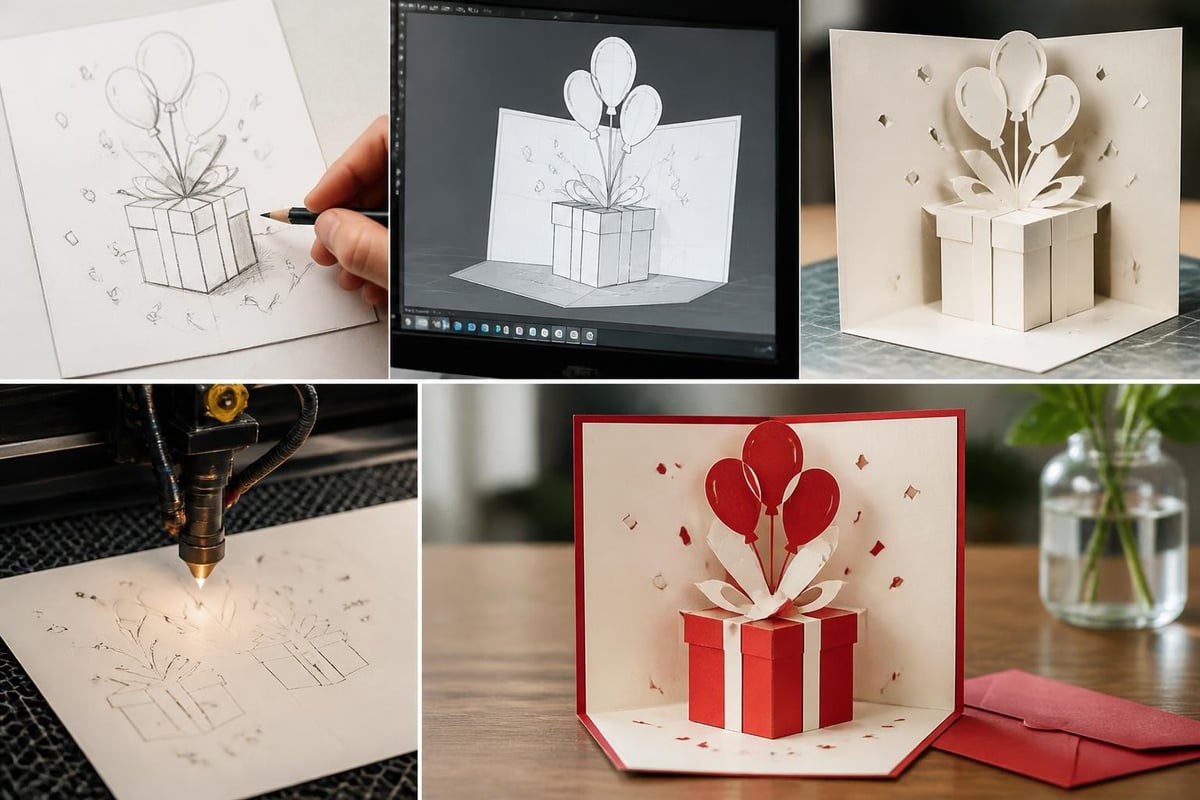
The journey from hand-drawn sketches to finished pop-up cards created in modern facilities represents a fascinating blend of traditional craftsmanship and cutting-edge technology. Historical records show that greeting cards have existed in various forms for centuries, but the pop-up card industry has undergone revolutionary changes in recent decades.
Today's manufacturing process begins with conceptual design, where artists develop themes and mechanisms that will bring cards to life. These designs must balance aesthetic appeal with structural integrity, ensuring that cards created through the production line will withstand shipping, handling, and repeated opening without losing their three-dimensional effect.
Design Technology and Precision Engineering
Modern cards created through professional manufacturing utilize sophisticated software that translates artistic vision into precise cutting patterns. Computer-aided design (CAD) systems allow manufacturers to test structural stability virtually before producing physical prototypes. This technology has transformed the industry, enabling complexity levels that would have been impossible to achieve consistently through manual methods alone.
Key technological advantages include:
- Precision measurements accurate to fractions of a millimeter
- Digital prototyping that reduces material waste
- Scalable designs that maintain quality across thousands of units
- Integration of multiple layers and moving parts
The combination of digital precision and artistic creativity ensures that every card created meets exacting standards. This approach has made complex architectural designs, intricate floral arrangements, and detailed character representations accessible at commercial scales.
Materials That Define Quality
The foundation of exceptional cards created for lasting impressions lies in material selection. Premium art paper forms the backbone of professional pop-up cards, offering the perfect balance between flexibility for folding and rigidity for maintaining dimensional structures. Paper weight, texture, and finish all contribute to the final product's quality and longevity.
| Material Aspect | Standard Quality | Premium Quality | Impact on Cards Created |
|---|---|---|---|
| Paper Weight | 200-250 GSM | 300-350 GSM | Durability and structure retention |
| Surface Finish | Matte or Gloss | Specialized textures | Visual appeal and tactile experience |
| Adhesive Quality | Standard craft glue | Archival-grade adhesive | Long-term assembly integrity |
| Coating Options | Basic protection | UV-resistant coating | Color preservation over time |
Professional manufacturers understand that cards created with inferior materials may look impressive initially but fail to deliver lasting value. The paper must be acid-free to prevent yellowing, and adhesives must maintain their bond strength across varying humidity and temperature conditions.
Color and Printing Considerations
The visual impact of cards created through professional channels depends heavily on printing technology and color management. High-resolution digital printing ensures that images remain crisp and colors stay vibrant even on intricate pop-up elements. Color consistency across large production runs requires calibrated equipment and quality control protocols that verify every batch.
Many businesses discover that investing in professionally manufactured cards created with superior printing techniques pays dividends in brand perception. The difference between amateur and professional printing becomes immediately apparent when cards are placed side by side, particularly in how colors reproduce on folded and dimensional surfaces.
Manufacturing Processes Behind Pop-Up Cards
The actual production of cards created in professional facilities involves multiple specialized stations, each contributing to the final product's quality. Understanding this workflow helps buyers appreciate the value proposition and set realistic expectations for custom orders.
Laser Cutting Precision
Modern pop-up cards created at scale rely heavily on laser cutting technology. This process delivers several critical advantages over traditional die-cutting methods:
- Intricate detail capability – Lasers cut patterns too complex for mechanical dies
- Rapid prototype development – New designs move to production quickly
- Minimal material waste – Precision cutting optimizes paper usage
- Consistency across batches – Every cut matches specifications exactly
- Flexibility for customization – Design changes don't require expensive tooling
The laser cutting stage transforms flat sheets into components ready for assembly. Each piece must be cut cleanly, with no charring or paper distortion that could compromise the final assembly. Advanced techniques for creating pop-up cards often begin with understanding these fundamental cutting principles.
Hand Assembly and Quality Control
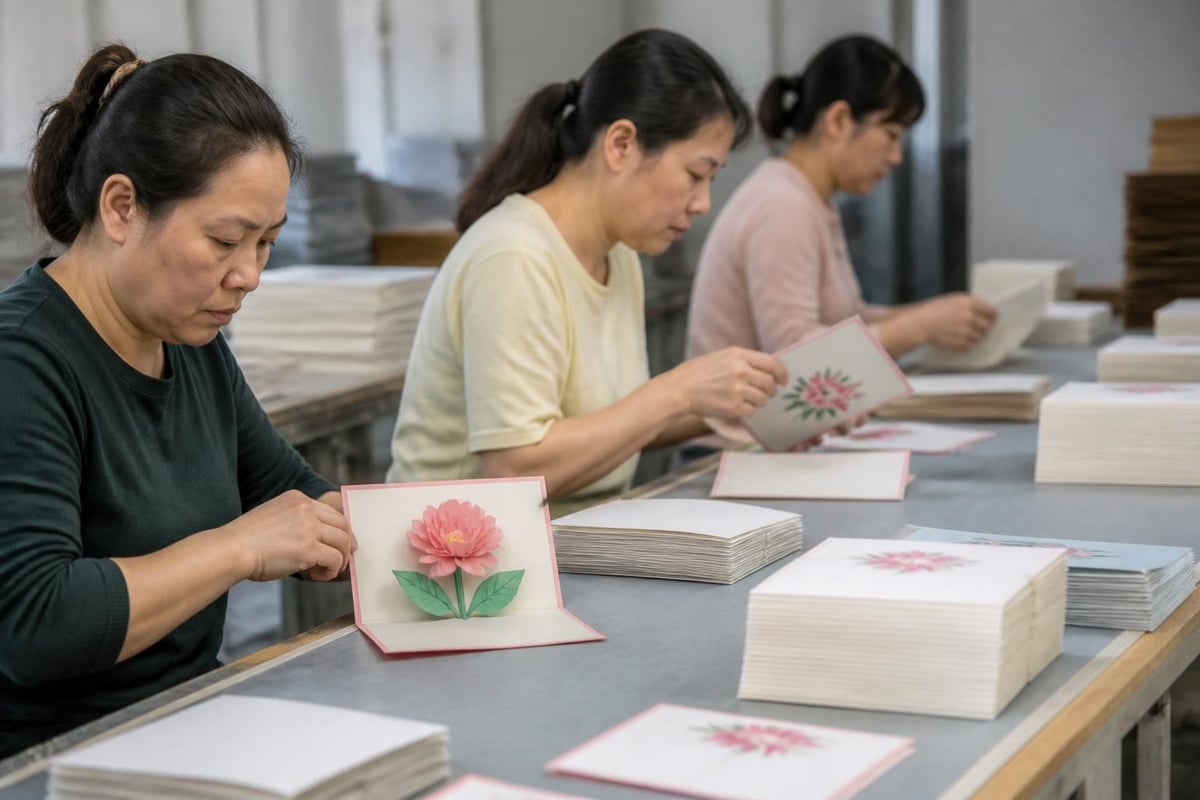
Despite technological advances, cards created to the highest standards still require skilled hand assembly. Artisans with years of experience fold, glue, and position elements with precision that automated systems cannot match. This human touch ensures that each card functions smoothly and presents itself beautifully when opened.
Quality control checkpoints include:
- Structural integrity testing for all moving parts
- Color verification against approved samples
- Functionality testing through multiple opening cycles
- Packaging inspection to prevent shipping damage
The combination of technology and craftsmanship in cards created through professional channels delivers reliability that DIY efforts struggle to match. Each card undergoes inspection before packaging, ensuring customers receive products that meet or exceed expectations.
Custom Design Services and Personalization
The true value of professionally cards created becomes evident when exploring customization options. Businesses can transform standard designs into branded marketing tools, while individuals can create deeply personalized gifts that reflect specific relationships and occasions. For companies looking to make a lasting impression, custom pop-up business cards offer a sophisticated approach to corporate communication that stands apart from conventional marketing materials.
Business Applications
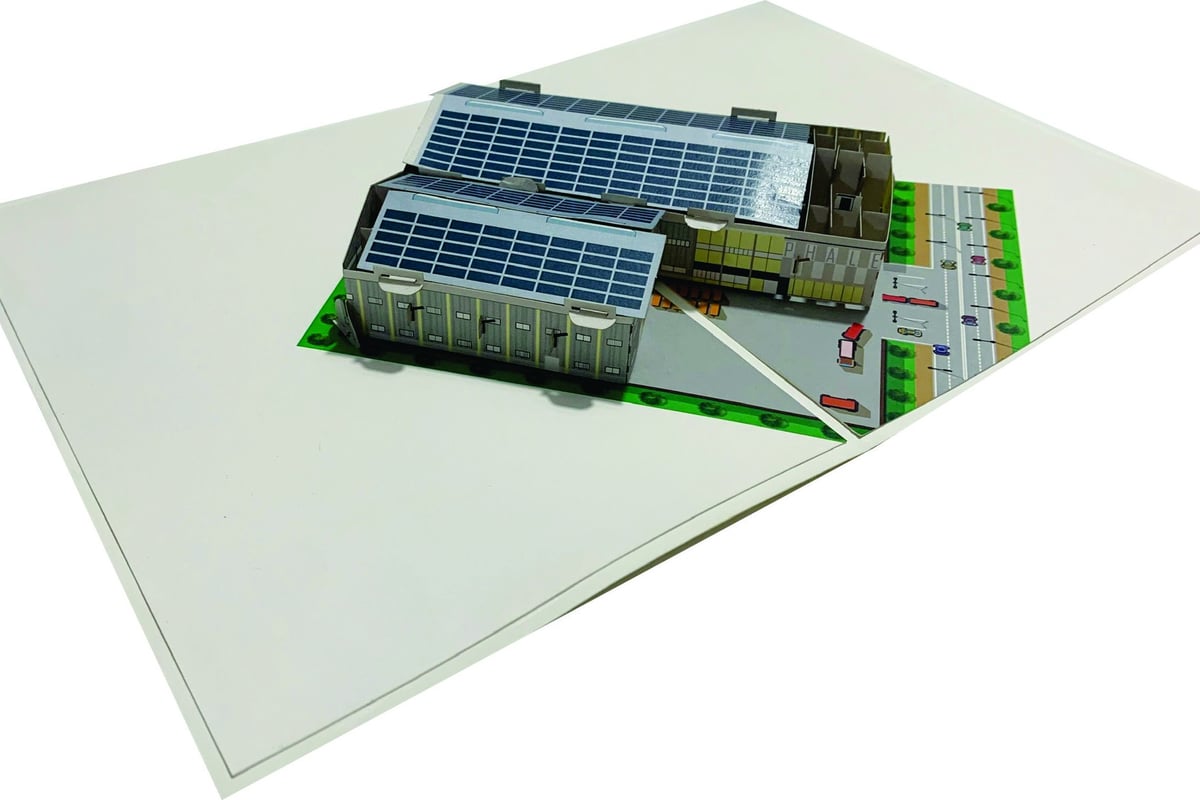
Companies increasingly recognize that cards created with custom branding deliver superior marketing impact compared to generic alternatives. A well-designed pop-up card featuring company logos, products, or architectural elements creates memorable touchpoints that recipients are unlikely to discard immediately.
Corporate event planners often pair creative marketing materials with other branded items to create cohesive campaigns. For instance, businesses running promotional events might combine custom pop-up invitations with custom printed paper cups to maintain brand visibility throughout the customer experience. This integrated approach reinforces messaging across multiple touchpoints.
Personal Occasion Customization
On the consumer side, cards created for personal milestones benefit from tailoring that reflects individual relationships. Options include:
- Custom messages incorporated into the design structure
- Photos integrated with pop-up elements
- Color schemes matching event themes
- Size variations for different presentation needs
- Special finishing touches like foil stamping or embossing
The personalization process for cards created in professional facilities typically begins with design consultations. Experienced designers help clients articulate their vision and navigate technical constraints, ensuring the final product achieves both aesthetic and functional goals.
Design Techniques for Maximum Impact
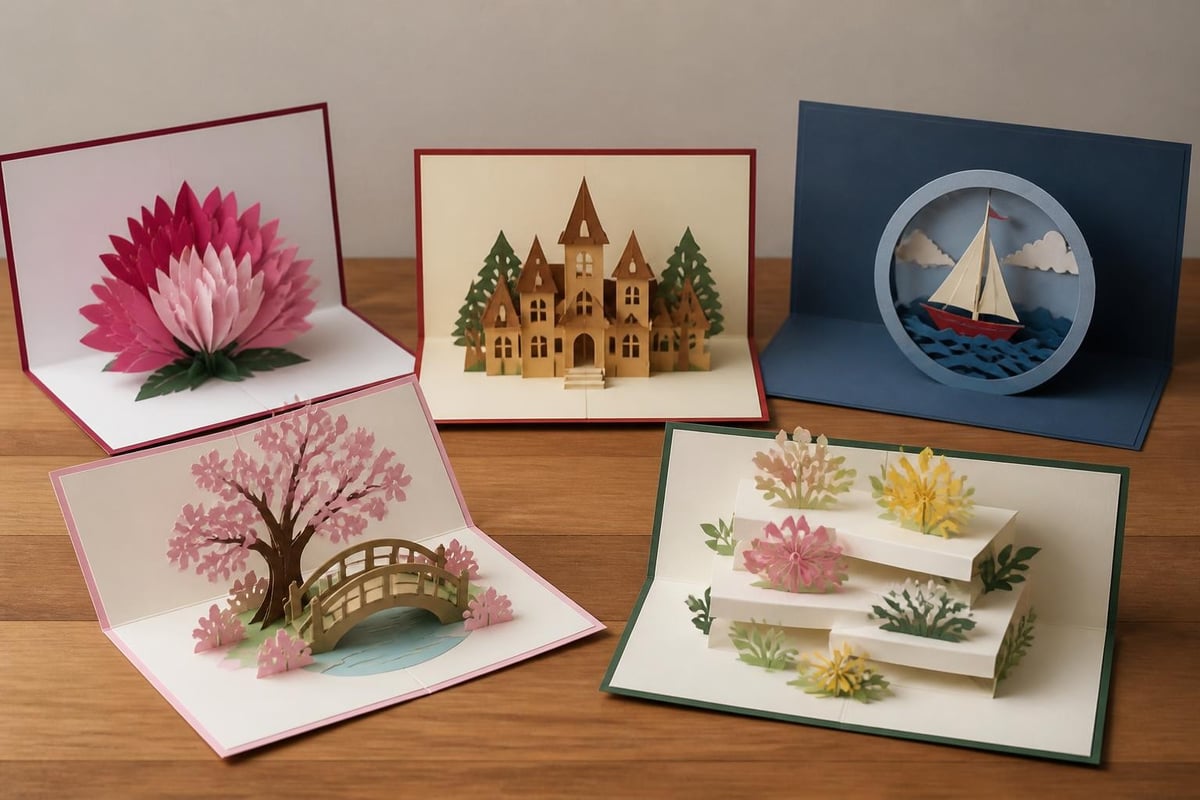
Understanding the fundamental principles behind cards created with strong visual impact helps both designers and buyers make better choices. Pop-up mechanisms vary in complexity, from simple V-folds to elaborate multi-layer constructions that reveal surprises as the card opens progressively.
| Technique | Complexity Level | Best Applications | Cards Created Per Hour |
|---|---|---|---|
| Basic V-Fold | Beginner | Simple shapes, text | 80-100 |
| Parallel Fold | Intermediate | Layered scenes | 50-60 |
| Rotating Mechanism | Advanced | Dynamic motion effects | 30-40 |
| Multi-Layer Construction | Expert | Architectural details | 20-25 |
Professional manufacturers maintain libraries of proven designs that can be adapted for various occasions. These templates serve as starting points for cards created with custom modifications, significantly reducing development time while maintaining structural reliability.
Engineering Considerations
The engineering behind cards created for durability involves careful calculation of stress points, fold angles, and adhesive placement. Basic pop-up techniques provide foundations that professional designers build upon with more complex arrangements. Each additional layer or moving part must be analyzed for its impact on the overall structure.
Successful cards created for commercial applications balance ambition with practicality. While elaborate designs impress recipients, they must also survive shipping, handling by postal workers, and storage before reaching their final destination. Engineers test prototypes through simulated abuse scenarios to identify potential failure points before full production begins.
Production Scale and Wholesale Manufacturing
The economics of cards created at different production volumes varies significantly. Small batches allow for experimentation and personalization but carry higher per-unit costs. Large wholesale orders benefit from economies of scale, making premium materials and complex designs more financially accessible.
Minimum Order Quantities
Professional manufacturers typically set minimum order quantities based on setup costs and production efficiency. Cards created in runs of 500-1,000 units represent the threshold where bulk pricing begins to offer meaningful savings. Beyond 5,000 units, manufacturers can justify specialized tooling and custom material sourcing that further reduces costs.
Volume-based pricing considerations:
- Setup costs amortized across larger quantities
- Material bulk purchasing discounts
- Production line efficiency improvements
- Reduced per-unit quality control expenses
- Optimized packaging and shipping logistics
Understanding these economics helps businesses plan orders that maximize value. Cards created for annual campaigns might justify larger single orders, while businesses testing new markets may prefer smaller initial quantities with options for reorders.
International Manufacturing and Logistics
Many businesses source cards created in manufacturing hubs like Vietnam, where skilled labor and efficient production systems deliver competitive pricing without sacrificing quality. International sourcing requires careful planning around lead times, shipping logistics, and quality verification protocols.
The Pop up greeting card factory in Vietnam model demonstrates how specialized manufacturers combine traditional craftsmanship with modern production technology. These facilities employ teams trained specifically in pop-up card assembly, developing expertise that general printing companies cannot match.
Importers must account for shipping timeframes, customs processing, and potential seasonal delays when planning inventory. Cards created months in advance require adequate storage, and businesses must balance inventory carrying costs against the risk of stockouts during peak seasons.
Quality Standards Across the Industry
The reputation of cards created by professional manufacturers depends on consistent quality delivery. Industry leaders implement multi-stage inspection processes that catch defects before products reach customers. These quality control systems separate reliable suppliers from those cutting corners to reduce costs.
Inspection Protocols
Comprehensive quality assurance for cards created at scale includes both automated and manual inspection steps:
- Material verification upon arrival at the facility
- Mid-production checks during cutting and printing phases
- Assembly quality review as cards move through construction
- Functional testing of pop-up mechanisms
- Final packaging inspection before shipment
Each checkpoint serves specific purposes, catching different types of potential defects. Material verification ensures the right paper stock arrives, while functional testing confirms that cards created from that material perform as designed. This layered approach minimizes the chance of defective products reaching customers.
Certification and Standards
Professional manufacturers often pursue certifications that validate their quality management systems. Cards created in certified facilities benefit from documented processes, regular audits, and continuous improvement initiatives. Common certifications include ISO 9001 for quality management and FSC certification for responsible paper sourcing.
These credentials provide buyers with confidence that cards created by certified manufacturers meet international standards. For businesses selling in regulated markets or supplying major retailers, supplier certifications may be mandatory requirements rather than optional preferences.
Seasonal Planning and Production Scheduling
The greeting card industry experiences pronounced seasonal fluctuations, with cards created for major holidays representing significant portions of annual sales. Manufacturers must balance capacity across peak and off-peak periods while maintaining quality standards and delivery commitments.
Peak Season Considerations
Christmas, Valentine's Day, Mother's Day, and graduation season drive demand spikes that strain production capacity. Cards created during these peak periods require advanced planning to ensure availability:
- Lead time extensions during high-demand months
- Capacity allocation based on confirmed orders
- Rush production surcharges for last-minute requests
- Inventory pre-building for anticipated demand
Savvy buyers place orders well before peak seasons, securing production slots and avoiding premium pricing for rushed orders. Cards created with adequate lead times benefit from more thorough quality control and reduced stress on production systems.
Year-Round Product Categories
While seasonal cards dominate certain periods, year-round occasions like birthdays, weddings, and anniversaries provide steady baseline demand. Cards created for these evergreen categories allow manufacturers to maintain workforce stability and optimize equipment utilization across the calendar year.
Businesses can leverage off-peak periods to develop new designs, test market responses, and build inventory for upcoming seasons. This strategic approach to cards created throughout the year supports better financial planning and reduces the risks associated with seasonal concentration.
Emerging Trends in Pop-Up Card Design
Innovation continues to shape how cards created today differ from those produced even five years ago. Designers experiment with new materials, mechanisms, and thematic approaches that push creative boundaries while respecting functional constraints.
Sustainable Materials and Practices
Environmental consciousness influences cards created by leading manufacturers. Recycled paper stocks, water-based adhesives, and biodegradable packaging respond to consumer demand for sustainable products. These materials must meet the same quality standards as traditional options while offering improved environmental profiles.
Manufacturers invest in sustainable practices not only for marketing benefits but also to future-proof their operations against regulatory changes. Cards created with sustainability in mind appeal to environmentally conscious consumers and corporate buyers implementing green procurement policies.
Interactive and Augmented Elements
Some cutting-edge cards created by innovative designers incorporate technology elements like NFC chips or QR codes that link physical cards to digital experiences. These hybrid approaches combine the tactile appeal of pop-up cards with expanded content delivery through smartphones and tablets.
While technology integration remains niche within the pop-up card market, it represents one direction for future development. Cards created with these features serve specific applications where enhanced engagement justifies the additional cost and complexity.
Choosing the Right Manufacturing Partner
Success with cards created through outsourcing depends heavily on selecting appropriate manufacturing partners. Buyers should evaluate potential suppliers across multiple dimensions beyond simple price comparison.
Evaluation Criteria
Essential factors when assessing manufacturers:
- Production capacity and scalability
- Quality control processes and certifications
- Design support capabilities
- Communication responsiveness
- Sampling and prototyping procedures
- Pricing structure and payment terms
- Shipping and logistics capabilities
- Customer references and portfolio review
The lowest-priced supplier rarely delivers the best overall value for cards created to high standards. Total cost of ownership includes defect rates, shipping reliability, and the opportunity cost of poor quality damaging brand reputation.
Communication and Collaboration
Successful relationships between buyers and manufacturers of cards created for commercial use depend on clear communication. Detailed specifications, approved samples, and documented approval processes prevent misunderstandings that lead to unsatisfactory results.
Many experienced buyers maintain relationships with multiple suppliers, using primary partners for volume orders while keeping backup options for specialized needs or capacity overflow. This strategy for sourcing cards created at scale provides flexibility and reduces dependency risks.
For businesses exploring pop-up card options, reviewing product portfolios and manufacturing capabilities helps identify suppliers whose expertise aligns with specific needs. The range of designs and customization options available indicates a manufacturer's versatility and technical capabilities.
Practical Applications Across Industries
Understanding how different sectors utilize cards created through professional manufacturing reveals the versatility of pop-up greeting cards beyond traditional consumer occasions.
Retail and E-commerce
Online retailers increasingly include cards created with customer-specific personalization in product shipments. These cards enhance unboxing experiences, increase perceived value, and encourage social media sharing. The relatively low cost per unit for cards created in volume makes this strategy accessible even for businesses with modest margins.
Real Estate and Financial Services
High-value service providers use cards created with sophisticated designs to maintain client relationships. Real estate agents send closing gifts featuring pop-up representations of sold properties, while financial advisors mark client milestones with cards celebrating retirement or major life events. These applications justify premium pricing because they strengthen relationships worth thousands or millions in lifetime value.
Healthcare and Wellness
Medical practices and wellness centers deploy cards created for patient appreciation, appointment reminders, and seasonal greetings. The tangible nature of physical cards complements digital communication strategies, particularly for reaching older demographics less engaged with electronic channels.
Education and Nonprofit Organizations
Schools and charitable organizations use cards created with institutional branding for fundraising campaigns, donor recognition, and alumni engagement. The memorable nature of pop-up cards helps these organizations stand out in mailboxes flooded with flat solicitations, potentially improving response rates for donation requests.
The world of pop-up cards created through professional manufacturing combines artistic vision with engineering precision to deliver memorable greeting experiences that flat cards cannot match. Whether you're planning a marketing campaign, celebrating corporate milestones, or creating personalized gifts, understanding the production processes, quality standards, and customization options available empowers better decision-making. The3dCards specializes in transforming concepts into dimensional masterpieces, offering custom designs and reliable manufacturing for businesses and individuals who demand excellence in every card created.