
The greeting card industry has experienced a remarkable transformation over the past decade, with 3d pop up greeting cards emerging as a standout category that combines artistry, engineering, and emotional impact. These dimensional paper sculptures transcend traditional flat cards by creating memorable experiences that recipients want to preserve and display. As consumers increasingly seek meaningful alternatives to digital messages, the market for premium pop-up cards continues to expand, with manufacturers developing increasingly sophisticated designs that push the boundaries of paper engineering.
Mục Lục
- 1 The Evolution of 3D Pop Up Technology
- 2 Design Principles for Maximum Impact
- 3 Market Trends and Consumer Preferences in 2026
- 4 Technical Specifications and Quality Standards
- 5 Design Innovation and Future Directions
- 6 Business Opportunities in the Pop-Up Card Market
- 7 Production Scalability and Manufacturing Partnerships
- 8 Marketing Strategies for Premium Pop-Up Cards
The Evolution of 3D Pop Up Technology
Three-dimensional greeting cards have evolved from simple fold-out designs to intricate paper sculptures that rival fine art pieces. Modern production methods combine traditional craftsmanship with cutting-edge technology to achieve unprecedented levels of detail and complexity.
Traditional Craftsmanship Meets Modern Manufacturing
The foundation of quality 3d pop up greeting cards lies in the careful selection of materials and precision engineering. Premium art paper with specific weight and grain characteristics ensures that pop-up mechanisms function smoothly while maintaining structural integrity over time. Manufacturing facilities now utilize high-precision laser cutting technology to achieve clean edges and intricate details that would be impossible with traditional die-cutting methods.
Key manufacturing components include:
- Precision laser cutting for complex geometric patterns
- Multiple paper weight options for different structural elements
- Adhesive selection based on longevity and environmental conditions
- Hand-assembly by skilled artisans for quality control
- Multi-layer construction for dimensional depth
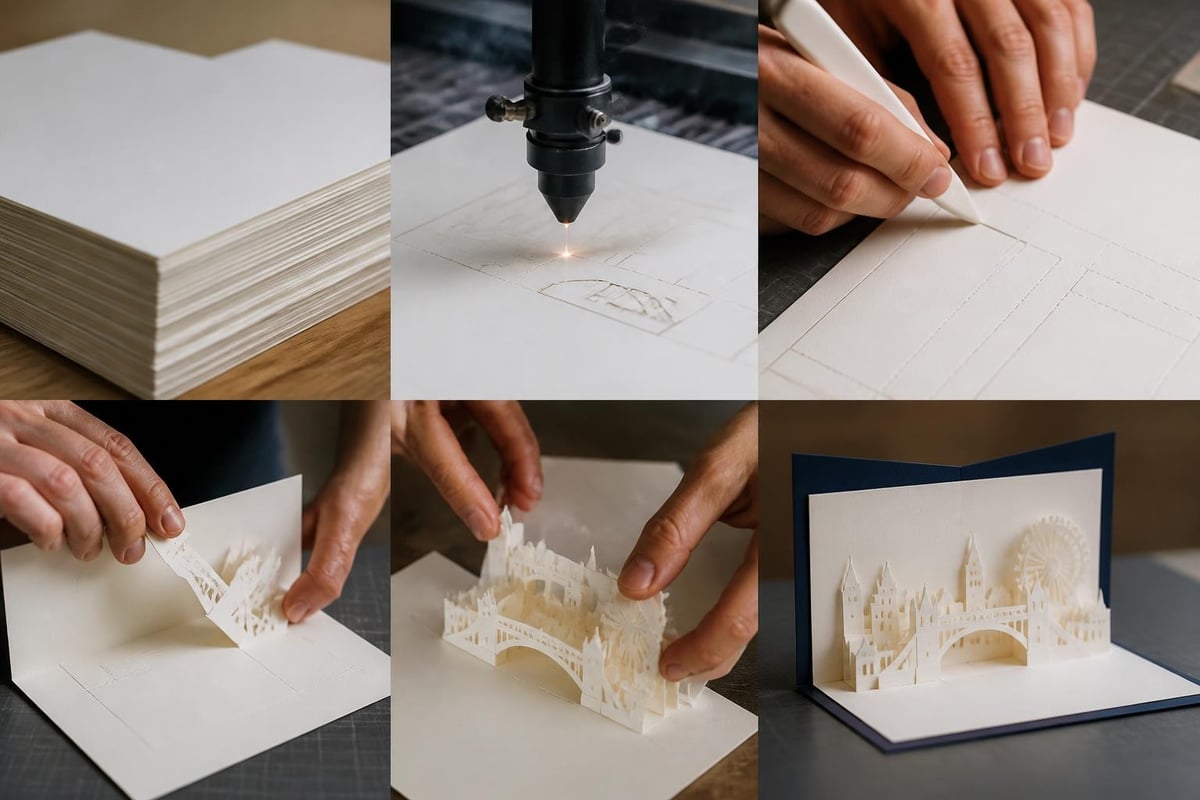
The production process requires meticulous attention to detail at every stage. Each fold line must be scored at exactly the right depth to ensure smooth operation without compromising paper integrity. Assembly teams train for months to master the techniques required for complex designs, as even minor misalignments can affect the final product’s functionality.
| Manufacturing Method | Precision Level | Production Speed | Best For |
|---|---|---|---|
| Laser Cutting | Extremely High | Moderate | Intricate designs, small details |
| Die Cutting | High | Fast | Large volume, simpler shapes |
| Hand Cutting | Variable | Slow | Prototypes, custom one-offs |
| Hybrid Approach | Very High | Moderate-Fast | Commercial production at scale |
Design Principles for Maximum Impact
Creating effective 3d pop up greeting cards requires understanding both aesthetic appeal and mechanical functionality. Designers must balance visual impact with practical considerations like shipping durability and ease of use.
Layering and Depth Creation
The most impressive pop-up cards utilize multiple layers to create genuine three-dimensional depth. Advanced layering techniques involve careful planning of which elements appear in foreground, middle ground, and background positions. This creates a sense of spatial relationships that flat cards cannot achieve.
Effective layering strategies include:
- Establishing a clear focal point in the middle layer
- Using foreground elements to frame the main subject
- Adding background details for context and depth
- Incorporating graduated sizing for perspective effects
- Balancing complexity across all layers for visual harmony
Color selection plays a crucial role in enhancing dimensional effects. Darker tones naturally recede while lighter colors advance, allowing designers to reinforce the physical depth with visual depth. Strategic use of contrast draws the eye to key elements and guides the viewing experience.
Mechanical Engineering Considerations
The physics of paper folding determines what designs are actually achievable in 3d pop up greeting cards. Understanding these mechanical principles separates successful designs from those that look good on screen but fail in production.
Detailed design tutorials demonstrate how different cut and fold patterns create specific movements and shapes. V-folds, parallel folds, and floating layer mechanisms each offer unique possibilities and limitations that designers must master.
The angle of fold lines directly impacts the card’s opening behavior. Too steep an angle may cause the card to snap open too quickly, while too shallow an angle might prevent full deployment of the pop-up elements. Professional manufacturers test prototypes extensively to optimize these angles for smooth, controlled opening.
Market Trends and Consumer Preferences in 2026
The greeting card market continues to segment into distinct categories, with 3d pop up greeting cards occupying the premium tier where consumers expect exceptional quality and memorable experiences.
Occasion-Specific Design Trends
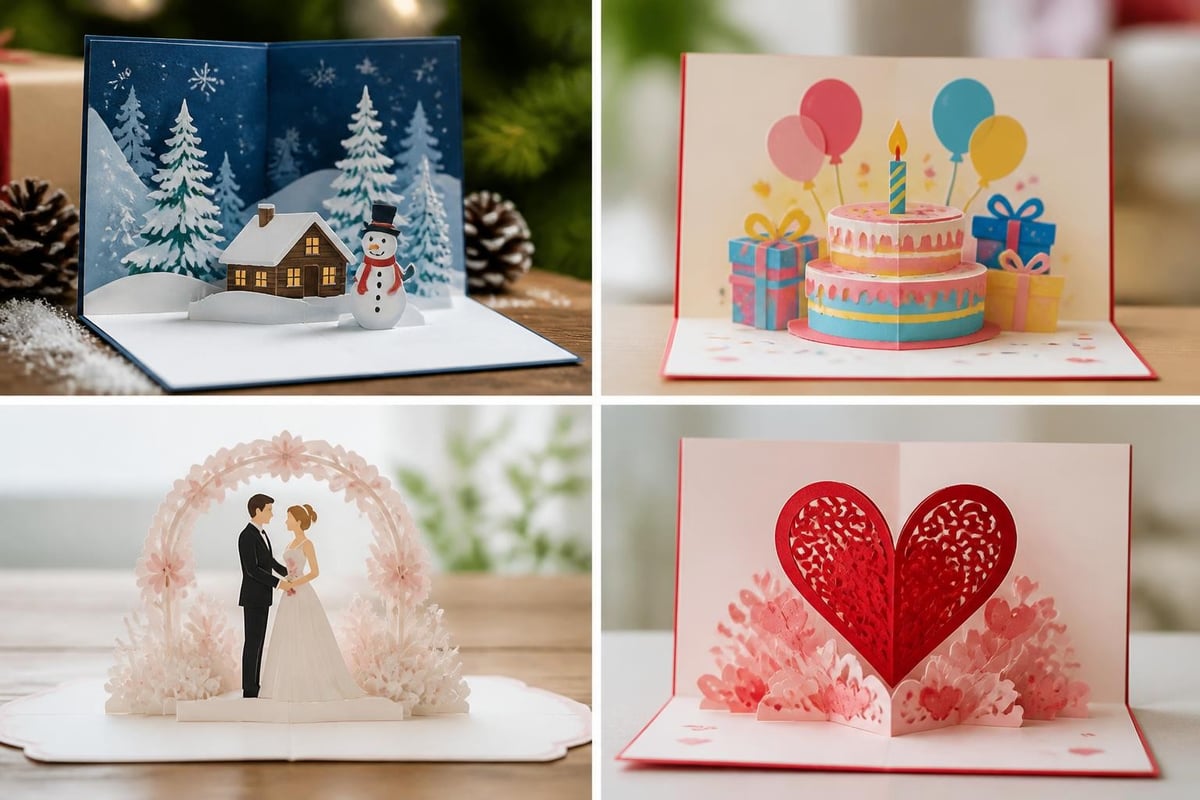
Different occasions drive distinct design preferences and pricing expectations. Wedding cards typically feature elegant architectural elements and romantic themes, while birthday cards embrace playful, colorful designs with interactive elements.
Popular themes by occasion:
- Weddings: Churches, cake designs, floral arches, couple silhouettes
- Birthdays: Cakes, balloons, age-specific motifs, hobby-related designs
- Christmas: Snowflakes, trees, nativity scenes, winter landscapes
- Anniversaries: Hearts, flowers, milestone numbers, romantic symbols
- Graduations: Caps, diplomas, school buildings, achievement symbols
The emerging trend of multi-layer skyline perspective cards demonstrates how architectural elements can create striking visual impact. These designs work particularly well for corporate applications and milestone celebrations where sophistication matters.
Corporate and Custom Applications
Businesses increasingly recognize the marketing value of custom 3d pop up greeting cards as unique brand touchpoints. Unlike generic promotional materials, high-quality pop-up cards create memorable impressions that recipients often keep and display.
Custom designs allow companies to incorporate brand elements, product representations, or event themes into functional art pieces. A product launch might feature a pop-up model of the new item, while a corporate anniversary could showcase the company’s building or logo in dimensional form.
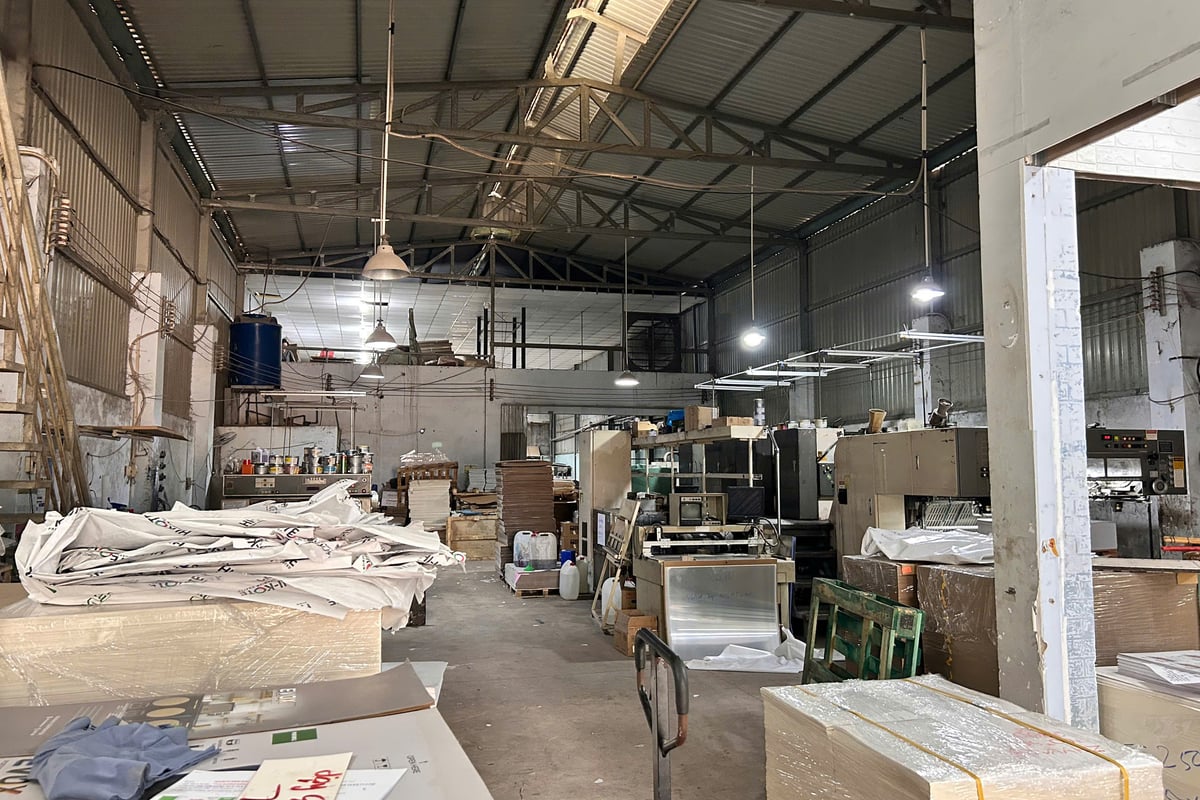
The pop up greeting card factory in Vietnam sector has grown significantly to meet this demand, with manufacturers developing specialized capabilities for large wholesale orders. These facilities offer flexible OEM/ODM services that enable businesses to create fully customized designs while benefiting from economies of scale in production.
| Application Type | Typical Order Size | Customization Level | Lead Time |
|---|---|---|---|
| Retail Stock | 5,000-50,000 | Low-Medium | 4-6 weeks |
| Corporate Gifts | 500-5,000 | High | 6-8 weeks |
| Event Invitations | 100-1,000 | Very High | 8-12 weeks |
| Limited Editions | 1,000-10,000 | Medium-High | 5-7 weeks |
Technical Specifications and Quality Standards
Professional-grade 3d pop up greeting cards meet rigorous quality standards that ensure consistent performance and longevity. Understanding these specifications helps businesses and consumers evaluate product quality.
Paper Selection and Structural Integrity
The paper grade directly impacts both aesthetic quality and functional durability. Most premium pop-up cards utilize 250-350 gsm (grams per square meter) cardstock for the base, with lighter weights for delicate pop-up elements that require flexibility.
Critical paper characteristics:
- Weight: Heavier for structural elements, lighter for mobile parts
- Grain direction: Aligned with fold lines for crisp, clean folds
- Surface finish: Matte or glossy based on printing requirements
- Color consistency: Uniform across large production runs
- Environmental stability: Resistant to humidity and temperature changes
Technical specifications for 3D pop-up cards include detailed measurements for fold angles, layer spacing, and adhesive placement. These specifications ensure that cards can withstand repeated opening and closing while maintaining their original form.
Quality Control Processes
Manufacturing facilities implement multi-stage quality control to catch defects before products reach customers. Initial material inspection verifies paper quality and color accuracy. Mid-production checks ensure cutting precision and assembly accuracy. Final inspection examines completed cards for functional performance and aesthetic quality.
Common quality checkpoints include:
- Raw material verification against specifications
- Laser cutting accuracy measurement (tolerance ±0.1mm)
- Assembly alignment verification at each station
- Opening mechanism functionality testing
- Visual inspection for print quality and damage
- Packaging integrity confirmation
Design Innovation and Future Directions
The 3d pop up greeting cards industry continues to innovate, incorporating new materials, technologies, and design approaches that expand creative possibilities.
Augmented Reality Integration
Some manufacturers now explore hybrid physical-digital experiences by integrating augmented reality elements with traditional pop-up cards. Scanning the card with a smartphone application triggers digital animations or additional content that complements the physical pop-up design.
This technology creates opportunities for:
- Musical elements: Digital soundtracks or recorded messages
- Video content: Birthday messages or event highlights
- Interactive games: Puzzles or activities related to the card’s theme
- Extended storytelling: Additional narrative layers beyond the physical card
- Social sharing: Digital versions for online distribution
Sustainable Materials and Practices
Environmental consciousness drives increasing demand for sustainably produced 3d pop up greeting cards. Manufacturers respond by sourcing FSC-certified paper, using water-based adhesives, and implementing recycling programs for production waste.
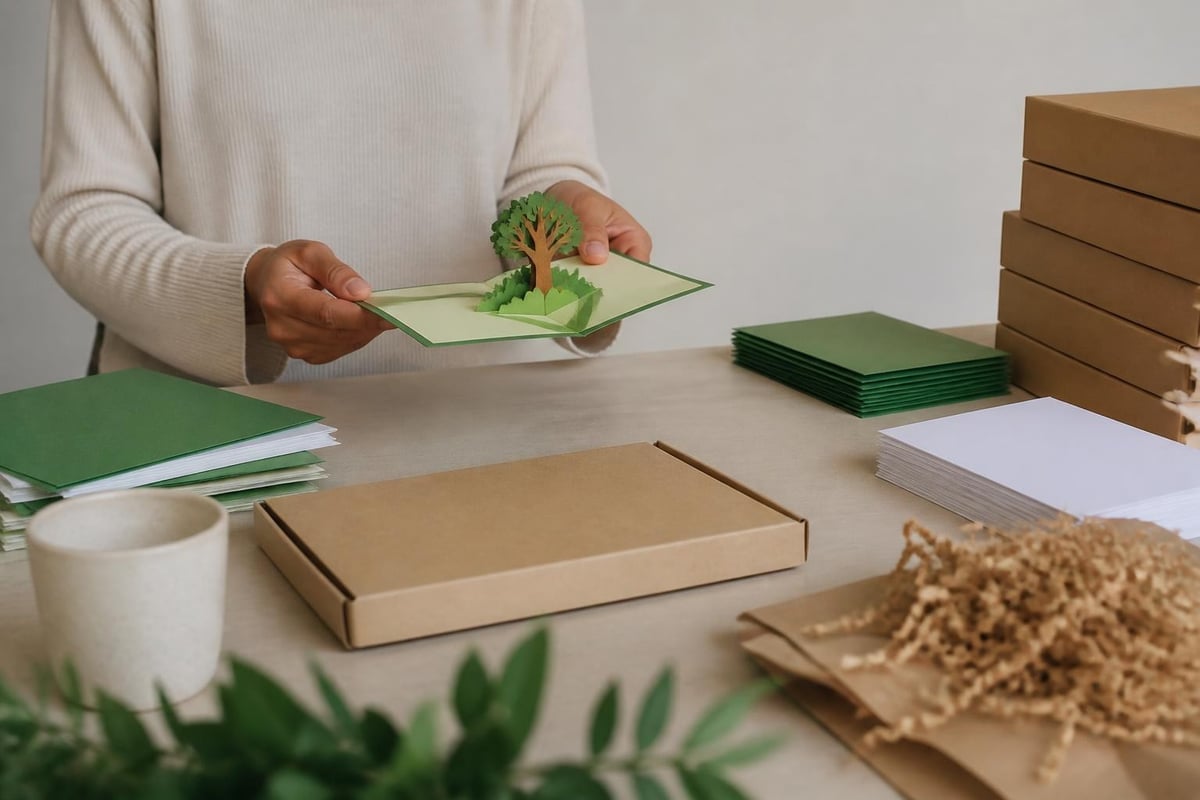
Biodegradable materials present challenges for pop-up mechanisms that require specific paper characteristics, but ongoing research develops eco-friendly alternatives that maintain necessary performance standards. Some facilities now achieve zero-waste production through comprehensive recycling and reuse programs.
Business Opportunities in the Pop-Up Card Market
The 3d pop up greeting cards market offers multiple entry points for businesses ranging from retail operations to corporate gifting services. Understanding market dynamics helps identify profitable niches.
Wholesale and Distribution Models
Retailers benefit from partnerships with established manufacturers who can provide consistent quality at competitive wholesale prices. Minimum order quantities vary by supplier, with some requiring 500-unit minimums while others accommodate smaller specialty orders.
Successful wholesale relationships require:
- Clear communication about quality standards
- Realistic lead time expectations
- Flexibility in design customization
- Reliable shipping and logistics
- Responsive customer service support
The growing market for personalized cards creates opportunities for businesses that can efficiently manage variable data printing and custom assembly. Online retailers particularly benefit from offering customization options that distinguish their products from mass-market alternatives available at traditional retailers.
Niche Market Specialization
Rather than competing in saturated general markets, many successful businesses focus on specific niches within the 3d pop up greeting cards category. Specializing in particular themes, occasions, or customer segments allows for deeper expertise and stronger customer loyalty.
Profitable niches include:
- Cultural celebrations: Cards for specific ethnic or religious holidays
- Hobbyist themes: Sports, automotive, crafts, or collector interests
- Professional milestones: Career achievements, business anniversaries
- Pet celebrations: Birthday and memorial cards for animal lovers
- Luxury market: Ultra-premium cards with precious material accents
Research from various industry studies indicates that niche-focused businesses often achieve higher profit margins than general retailers because they can command premium prices from dedicated customer bases.
Production Scalability and Manufacturing Partnerships
Businesses entering the 3d pop up greeting cards market must carefully evaluate their production approach based on volume requirements, customization needs, and capital availability.
In-House vs. Outsourced Production
Small-scale operations often begin with in-house production using desktop cutting machines and manual assembly. This approach offers maximum flexibility for custom designs and rapid prototyping but limits scalability and unit cost efficiency.
| Production Approach | Initial Investment | Unit Cost | Flexibility | Scalability |
|---|---|---|---|---|
| In-House Small Scale | Low ($5K-$20K) | High | Maximum | Limited |
| In-House Automated | High ($100K+) | Medium | Moderate | Good |
| Contract Manufacturing | None | Low-Medium | Moderate | Excellent |
| Hybrid Model | Medium ($20K-$50K) | Medium | High | Good |
Partnering with established manufacturers provides access to sophisticated equipment and trained labor without capital investment. This model works particularly well for businesses focused on design and marketing rather than production operations.
International Manufacturing Considerations
Vietnam has emerged as a significant hub for pop-up card production, offering skilled labor, competitive pricing, and modern manufacturing facilities. Manufacturers in this region serve major markets including the United States, Europe, and Australia with consistent quality and reliable delivery.
When evaluating international manufacturing partners, businesses should consider:
- Communication capabilities and time zone differences
- Quality control processes and inspection protocols
- Minimum order quantities and pricing structures
- Lead times including production and shipping
- Intellectual property protection measures
- Sample approval processes before production runs
Marketing Strategies for Premium Pop-Up Cards
Successfully marketing 3d pop up greeting cards requires emphasizing the unique value proposition that differentiates these products from standard greeting cards and digital alternatives.
Visual Content and Demonstration
Static product photography cannot fully capture the dimensional impact of pop-up cards. Successful marketers utilize video content showing the opening experience and 360-degree views that reveal structural details.
Effective visual marketing includes:
- Time-lapse videos of the opening sequence
- Close-up photography highlighting intricate details
- Comparison shots showing folded and open positions
- Lifestyle imagery showing cards in use contexts
- User-generated content from satisfied customers
Social media platforms particularly favor video content that demonstrates the surprising transformation from flat card to three-dimensional sculpture. Short-form video showing this transformation often generates high engagement and sharing.
Emotional Storytelling and Gifting Culture
The most effective marketing for 3d pop up greeting cards focuses on emotional connections rather than technical specifications. Stories about memorable gifting experiences, preserved cards as keepsakes, and the recipient’s delighted reaction resonate more strongly than descriptions of paper weight or cutting precision.
Content marketing strategies might explore:
- Customer testimonials: Real stories about meaningful card exchanges
- Occasion guides: Helping customers select appropriate designs
- Display ideas: Showcasing how recipients preserve and exhibit cards
- Behind-the-scenes: Manufacturing processes and artisan craftsmanship
- Design inspiration: Creative approaches to personalization
Building a brand identity around thoughtful gifting and meaningful connections positions 3d pop up greeting cards as investments in relationships rather than disposable commodities. This perspective justifies premium pricing and encourages repeat purchases for different occasions throughout the year.
The art and science of 3d pop up greeting cards continues to evolve as manufacturers develop new techniques and consumers seek increasingly sophisticated ways to express meaningful sentiments. Whether you’re a business seeking wholesale partners or a consumer looking for memorable cards that recipients will treasure, understanding the design principles, production methods, and market trends helps you make informed decisions. The3dCards combines traditional Vietnamese craftsmanship with modern manufacturing technology to create premium pop-up greeting cards for businesses and individuals worldwide, offering both standard designs and fully customized solutions that transform simple greetings into unforgettable experiences.