
The demand for unique, memorable greeting cards has transformed Halloween from a simple celebration into an opportunity for creative expression through dimensional paper art. A 3D Halloween card delivers far more impact than traditional flat designs, creating an interactive experience that recipients remember long after the season ends. Whether you're a business looking to impress clients or an individual seeking to stand out, understanding the mechanics and design principles behind three-dimensional Halloween cards opens new possibilities for seasonal communication.
Mục Lục
- 1 Understanding 3D Halloween Card Construction
- 2 Popular Themes and Design Trends for 2026
- 3 Manufacturing Techniques and Quality Considerations
- 4 Business Applications and Corporate Halloween Greetings
- 5 Personalization Options and Custom Messages
- 6 DIY Versus Professional Production
- 7 Mailing and Presentation Strategies
- 8 Market Trends and Consumer Preferences
- 9 Design Software and Digital Tools
- 10 Storage and Preservation
- 11 Cultural Considerations and Global Markets
Understanding 3D Halloween Card Construction
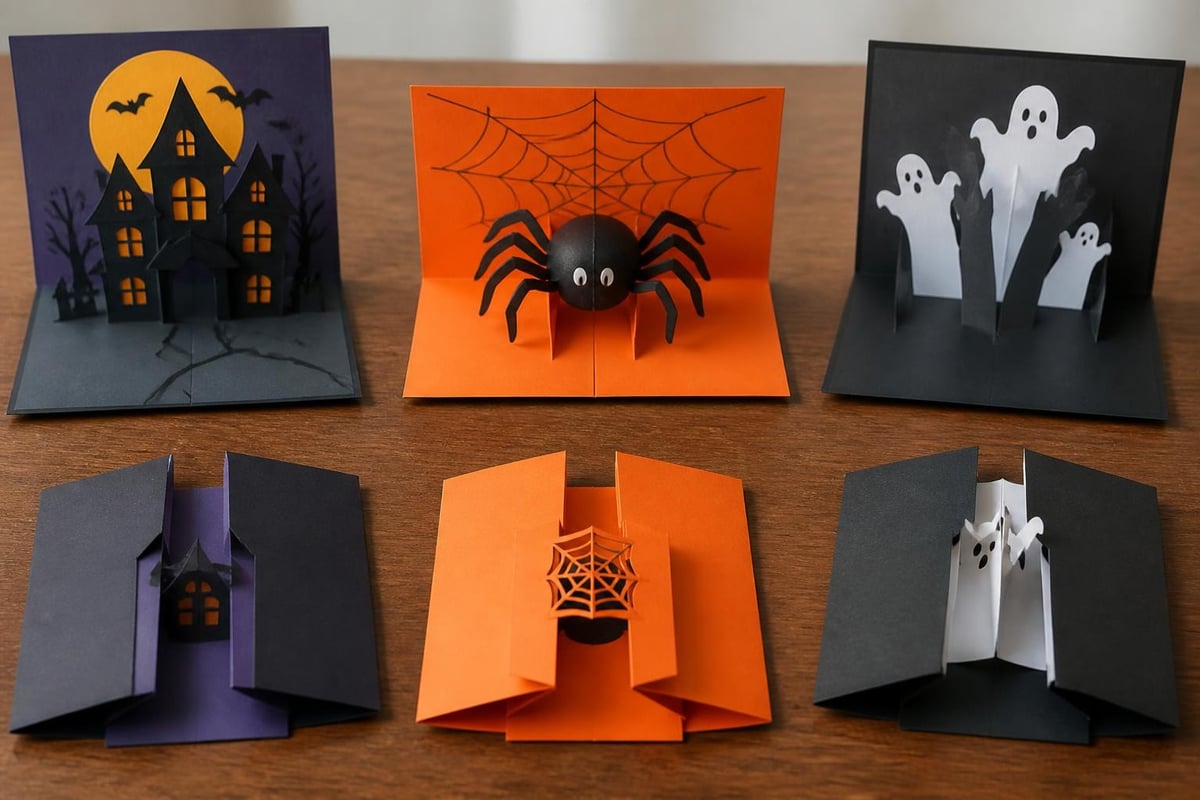
Three-dimensional greeting cards rely on precise engineering to create dramatic reveals when opened. The fundamental mechanism involves carefully scored paper that folds flat for mailing but springs into elaborate scenes when the recipient opens the envelope. Professional manufacturers use laser-cutting technology to achieve the precision necessary for complex pop-up structures, ensuring each fold activates at exactly the right angle.
Core Structural Elements
The architecture of a successful 3D Halloween card typically includes several key components working in harmony:
- Base platform that provides stability for the entire structure
- Pop-up mechanisms using 90-degree, 180-degree, or variable-angle folds
- Layered elements creating depth and shadow effects
- Support struts that remain hidden while maintaining structural integrity
- Decorative facades that conceal mechanical elements
Understanding these components helps both designers and consumers appreciate the craftsmanship involved in premium Halloween cards. The most impressive designs often incorporate multiple mechanisms working simultaneously, with different elements popping up at various stages as the card opens.
Popular Themes and Design Trends for 2026
Halloween card designs continue evolving with consumer preferences shifting toward more sophisticated and artistic interpretations. Traditional imagery remains popular, but the execution has become increasingly refined and detailed.
Classic Halloween Iconography
The most requested designs for 3D Halloween cards incorporate timeless symbols reimagined through dimensional paper engineering:
- Haunted mansions with multiple rooms visible through die-cut windows
- Jack-o'-lanterns that appear to glow through layered translucent paper
- Witches and cauldrons featuring moving elements like stirring spoons
- Graveyard scenes with tombstones at varying depths
- Black cats and bats that seem to leap from the page
Modern interpretations of these classic themes often incorporate unexpected details. A 3D pumpkin Halloween pop-up card tutorial demonstrates how traditional pumpkin designs can transform into complex, multi-layered masterpieces with proper planning and execution.
Contemporary Design Innovations
The 2026 market shows strong interest in cards that blend Halloween themes with artistic movements and cultural references. Minimalist Halloween designs using negative space have gained traction among design-conscious consumers, while maximalist approaches featuring intricate detail work appeal to collectors who display cards as seasonal décor.
| Design Style | Target Audience | Complexity Level | Price Point |
|---|---|---|---|
| Minimalist Silhouette | Modern aesthetics | Low to Medium | $$ |
| Classic Horror Icons | Traditional consumers | Medium | $$$ |
| Architectural Scenes | Luxury market | High | $$$$ |
| Whimsical Characters | Family-friendly | Medium | $$ |
| Gothic Romance | Young adults | Medium to High | $$$ |
Manufacturing Techniques and Quality Considerations
Professional production of a 3D Halloween card requires specialized equipment and expertise that distinguish mass-market products from artisan creations. The manufacturing process involves multiple stages, each critical to the final product's functionality and aesthetic appeal.
Precision Cutting Technologies
Laser cutting has revolutionized the pop-up card industry by enabling intricate designs previously impossible with traditional die-cutting methods. This technology allows manufacturers to create incredibly detailed elements like delicate spiderwebs, intricate window frames, and precisely measured support structures. The precision ensures consistent performance across large production runs while maintaining the hand-crafted appearance consumers desire.
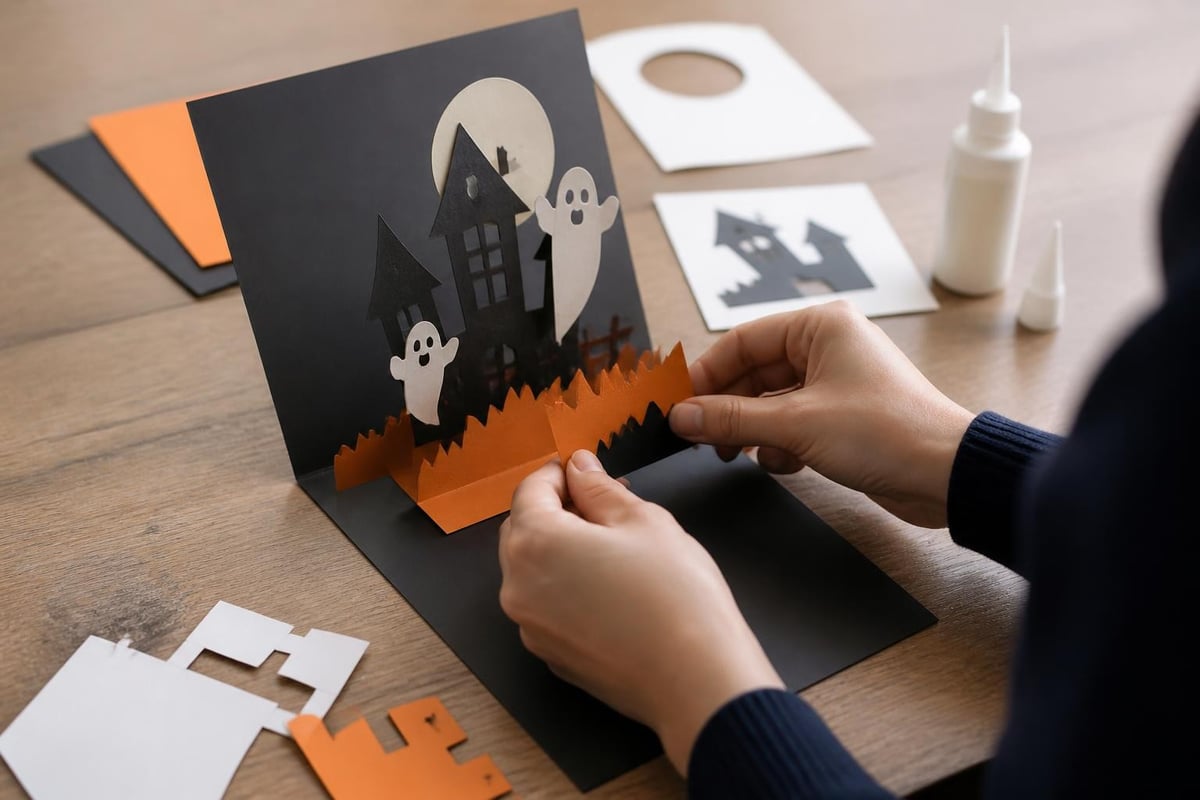
For those interested in DIY approaches, resources like this video tutorial on creating Halloween pop-up cards provide insight into the fundamental techniques, though replicating professional results requires practice and specialized tools.
Paper Selection and Durability
The choice of paper stock significantly impacts both the visual appeal and structural integrity of three-dimensional cards. Premium manufacturers typically use heavyweight art paper ranging from 250 to 350 GSM (grams per square meter) for base elements, while decorative layers might use lighter weights to reduce bulk when folded. Texture also plays a crucial role, with matte finishes offering sophisticated elegance and subtle gloss accents highlighting specific design elements.
Quality control becomes paramount when dealing with dimensional cards because even minor variations in scoring depth or cutting precision can prevent proper folding. Professional manufacturers implement multi-stage inspection processes, checking both flat and opened positions to ensure flawless operation.
Business Applications and Corporate Halloween Greetings
The corporate sector has increasingly recognized the value of memorable seasonal greetings in maintaining client relationships and brand visibility. A well-designed 3D Halloween card serves multiple business objectives simultaneously, from demonstrating attention to detail to creating shareable social media content when recipients photograph and post their impressive cards.
Professional Design Considerations
Companies commissioning custom Halloween cards must balance brand consistency with seasonal festivity. The most successful corporate designs incorporate company colors subtly within Halloween themes, perhaps using orange and black alongside brand-specific accent colors. Logo integration should feel natural rather than forced, potentially appearing as architectural elements within haunted houses or embossed details on card exteriors.
Pop up business cards have evolved beyond simple marketing tools to become memorable brand experiences. When applied to Halloween contexts, these sophisticated paper engineering techniques create lasting impressions that standard printed materials cannot match. The investment in premium greeting cards signals to clients and partners that your organization values quality and creativity.
Bulk Ordering and Customization
Organizations planning Halloween card campaigns need to understand production timelines and customization options. Professional manufacturers typically require 4-6 weeks for custom designs, accounting for concept development, prototype creation, client approval, and full production runs. Rush services exist but often carry premium pricing and may limit design complexity.
Minimum order quantities vary significantly between manufacturers, with some requiring commitments of 500 or more units for fully custom designs. However, semi-custom options allowing personalization of existing templates may have lower minimums, making professional 3D Halloween cards accessible to smaller businesses.
Personalization Options and Custom Messages
The message inside a 3D Halloween card deserves the same attention as its structural design. While the pop-up element creates immediate visual impact, the sentiment expressed determines lasting emotional resonance with recipients.
Balancing Humor and Sentiment
Halloween cards traditionally lean toward playful humor, but the dimensional format allows for more nuanced emotional expression. Consider these approaches:
- Lighthearted puns integrated with pop-up elements ("Hope your Halloween pops with excitement!")
- Nostalgic references to childhood Halloween memories
- Warm wishes that acknowledge relationships beyond seasonal greetings
- Clever wordplay connecting business offerings to Halloween themes
- Heartfelt appreciation for relationships, using Halloween as a creative vehicle
The physical space available for messages varies with card design. Complex pop-up structures may limit interior writing surfaces, making exterior messages or attached gift tags necessary alternatives.
Digital Integration Possibilities
Forward-thinking card designs now incorporate digital elements enhancing the physical experience. QR codes printed inside cards can link to:
- Video messages from senders
- Augmented reality experiences that animate the physical card
- Online photo galleries or special offers
- Custom playlists or audio greetings
- Digital guest books where recipients share reactions
This hybrid approach particularly appeals to younger demographics while maintaining the tangible appeal that makes physical cards special. The technique also provides measurable engagement data for business senders tracking campaign effectiveness.
DIY Versus Professional Production
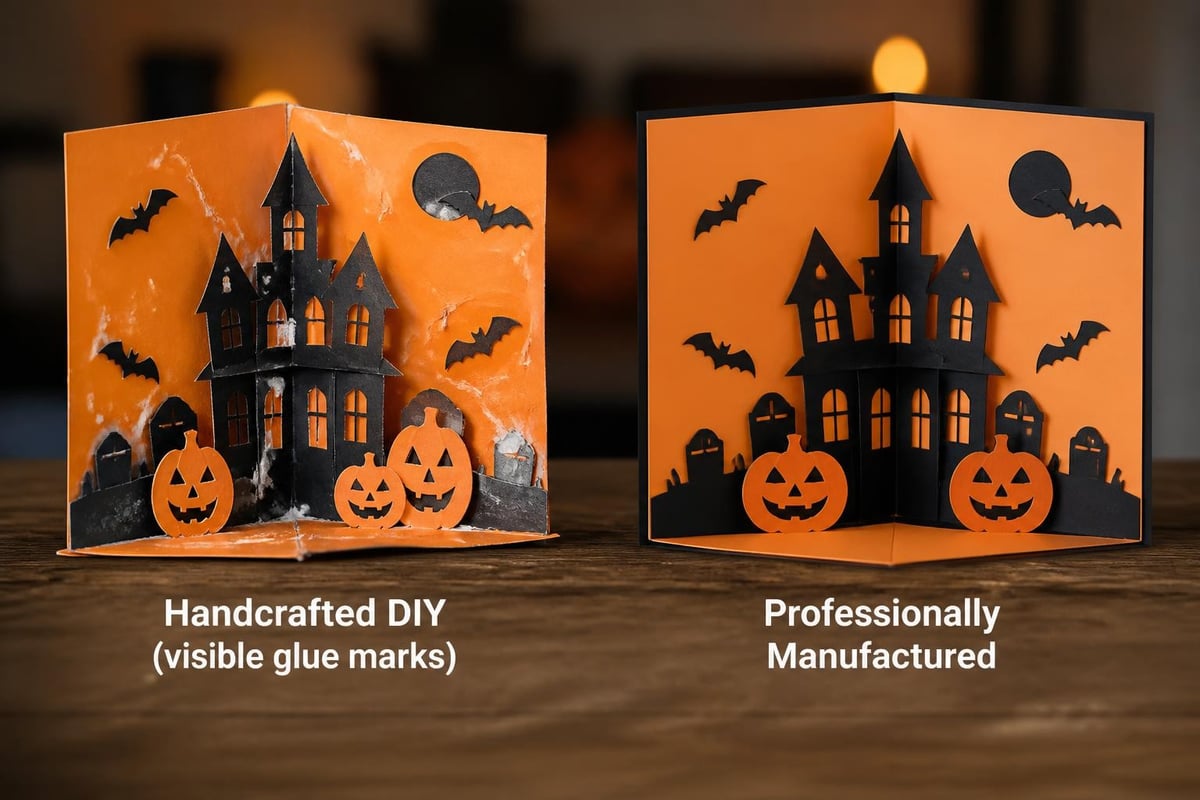
The decision between creating handmade 3D Halloween cards and ordering professionally manufactured versions depends on multiple factors including quantity needs, time availability, skill level, and budget considerations.
When DIY Makes Sense
Crafting individual cards by hand offers advantages for specific situations. Personal occasions with small recipient lists benefit from the obvious care invested in handmade items. Creative individuals enjoy the process itself as a seasonal activity, and numerous resources support home production. Tutorials like this guide to layered Halloween greeting cards demonstrate accessible techniques for those with electronic cutting machines.
However, DIY creators should realistically assess the time investment. A single complex 3D Halloween card might require 2-4 hours from start to finish, making handmade production impractical for lists exceeding 10-15 recipients.
Professional Manufacturing Advantages
Partnering with experienced manufacturers provides consistency, scalability, and access to techniques beyond most hobbyist capabilities. Professional production ensures every recipient receives an identically impressive card, maintaining brand standards for business applications. The economics often favor professional production at surprisingly low quantities when accounting for the true cost of DIY materials, equipment, and time.
| Consideration | DIY Approach | Professional Production |
|---|---|---|
| Unit cost | $3-$8 | $2-$15+ (volume dependent) |
| Time per card | 2-4 hours | Minimal (ordering only) |
| Design complexity | Limited by skill | Virtually unlimited |
| Consistency | Varies | Perfect replication |
| Minimum quantity | One card | Varies (often 50-100+) |
| Customization | Infinite | Template or fully custom |
Working with established manufacturers also provides access to design expertise. Many producers offer consultation services helping clients refine concepts and avoid common pitfalls that compromise functionality or visual impact. Resources on 3D pop-up greeting cards offer insights into professional design considerations and current market trends.
Mailing and Presentation Strategies
Even the most impressive 3D Halloween card loses impact if damaged during shipping or presented without proper context. Strategic packaging and delivery methods protect your investment while enhancing the recipient experience.
Protective Packaging Solutions
Dimensional cards require more substantial protection than flat greetings. Professional options include:
- Rigid mailers constructed from corrugated cardboard
- Box packaging for particularly elaborate designs
- Protective sleeves within traditional envelope systems
- Padded envelopes with sufficient thickness ratings
- Custom-sized containers matching specific card dimensions
The packaging exterior should hint at the special contents without revealing the surprise. Subtle Halloween-themed stamps, custom labels, or colored envelopes build anticipation while ensuring proper handling during delivery.
Timing and Delivery Methods
Halloween cards should arrive early enough for recipients to display them throughout the season, typically meaning delivery windows of October 1-15. Earlier arrival times allow for maximum enjoyment, while cards arriving too close to October 31st may seem like afterthoughts.
Hand delivery remains the gold standard for local recipients, allowing senders to witness the recipient's reaction and ensuring perfect condition upon arrival. For distant recipients, tracking services provide peace of mind and allow senders to notify recipients when to expect their special delivery.
Market Trends and Consumer Preferences
Understanding current market dynamics helps both purchasers and designers create 3D Halloween cards that resonate with contemporary audiences while maintaining timeless appeal.
Sustainability and Eco-Conscious Production
Consumer awareness of environmental impact has influenced purchasing decisions across all product categories, including greeting cards. The pop-up card industry has responded with several sustainable initiatives:
- Recycled paper stocks maintaining quality while reducing environmental footprint
- Water-based adhesives replacing solvent-based alternatives
- Minimal packaging using recyclable materials
- Carbon-neutral shipping options for environmentally conscious purchasers
- Biodegradable embellishments replacing plastic components
These considerations don't require sacrificing visual impact or structural integrity. Many consumers actively seek products aligning with their values, making sustainability a competitive advantage rather than a compromise. Information about greeting cards manufacturers often includes details about production practices and environmental commitments.
Price Points and Value Perception
The 3D Halloween card market segments into distinct price tiers, each serving different consumer needs and expectations. Mass-market cards typically retail between $4-$8, offering recognizable pop-up mechanisms with decent quality materials. Premium designs range from $10-$20, featuring superior paper stocks, more complex engineering, and distinctive artistic direction. Luxury custom cards can exceed $25 per unit, justified by elaborate construction, personalization, and limited production runs.
Value perception extends beyond price to encompass the entire experience. Cards that arrive in protective packaging with personalized messages justify premium pricing through demonstrated care and attention to detail. The best manufacturers understand that customers purchase emotions and experiences, not merely paper products.
Design Software and Digital Tools
Modern 3D Halloween card creation increasingly involves digital design phases before physical production begins. Understanding available tools helps both professionals and serious hobbyists optimize their creative processes.
Professional Design Applications
Industry-standard software enables precise planning of pop-up mechanisms and visual elements. Programs like Adobe Illustrator provide the vector-based precision necessary for professional manufacturing, while specialized applications simulate how designs will behave when opened. Some designers use animation software to preview 3D card movement, ensuring mechanisms function as intended before committing to physical prototypes.
Template libraries and design marketplaces offer starting points for customization, reducing development time while maintaining professional quality. Resources like the Silhouette Design Store’s Halloween card templates demonstrate the range of pre-designed options available for both personal and commercial use.
Emerging Technologies
Augmented reality integration represents the cutting edge of greeting card innovation. Recipients scanning cards with smartphone apps can trigger digital animations, sounds, or interactive experiences layered over the physical design. While still emerging, this technology offers exciting possibilities for tech-savvy brands and consumers seeking next-generation greeting experiences.
Three-dimensional printing also influences card design, though primarily for prototyping rather than mass production. Designers can quickly test pop-up mechanisms using 3D-printed components before finalizing paper-based designs, reducing development cycles and material waste.
Storage and Preservation
Recipients who appreciate dimensional greeting cards often wish to preserve them beyond the Halloween season, creating opportunities for designs with lasting display value.
Display-Worthy Design Elements
Cards intended for extended display should incorporate elements that transition beyond purely seasonal contexts. Sophisticated color palettes using deep purples, metallic accents, and rich blacks maintain Halloween associations while appearing elegant year-round. Architectural elements like multi-layer 3D skyline perspectives offer artistic value extending beyond holiday décor.
Some recipients frame particularly impressive cards, protecting them while creating permanent art pieces. Designs anticipating this use should consider standard frame sizes and include visual elements that remain impactful when viewed from typical display distances.
Long-Term Care Recommendations
Proper storage preserves card condition for years of enjoyment. Recommendations include:
- Acid-free containers preventing paper degradation
- Climate-controlled environments avoiding extreme temperatures and humidity
- Flat storage positions preventing mechanical stress on pop-up mechanisms
- Protective sleeves guarding against dust and handling damage
- Occasional inspection identifying and addressing early deterioration
Collections of significant cards merit archival-quality storage solutions available through specialty suppliers. For cards with deep sentimental value, professional preservation services can restore damaged mechanisms and reinforce structural elements.
Cultural Considerations and Global Markets
Halloween traditions vary significantly across cultures and regions, influencing how 3D Halloween cards are received and what designs resonate most strongly.
Regional Design Preferences
North American markets typically prefer bold, playful designs emphasizing fun over fear. European consumers often appreciate more sophisticated, gothic aesthetics with historical references. Asian markets show growing interest in Halloween celebrations, though designs frequently blend Western imagery with local artistic traditions.
Understanding these preferences helps designers and businesses target appropriate audiences. A single design rarely achieves universal appeal, making market research essential for companies pursuing international distribution.
Inclusive Design Approaches
Modern consumers increasingly value inclusive representation in all media, including greeting cards. Contemporary 3D Halloween card designs reflect diverse perspectives by incorporating various cultural interpretations of supernatural themes, representing different family structures in scene illustrations, and avoiding stereotypes that might exclude or offend recipients.
This inclusive approach expands market reach while aligning with evolving social values. Cards celebrating Halloween's creative potential rather than specific cultural narratives tend to achieve broader acceptance across diverse demographics.
Creating memorable Halloween greetings through three-dimensional card designs requires balancing artistic vision, engineering precision, and understanding recipient preferences. Whether you're pursuing DIY projects or partnering with professional manufacturers, the key lies in selecting approaches that match your objectives, timeline, and budget while delivering genuine delight to recipients.
The3dCards brings decades of pop-up card manufacturing expertise to help businesses and individuals create unforgettable Halloween greetings. Our Vietnam-based facility combines traditional craftsmanship with modern laser-cutting technology, producing custom designs at scale without sacrificing quality. Contact our team today to discuss how we can transform your Halloween card concept into dimensional reality that recipients will treasure long after the season ends.